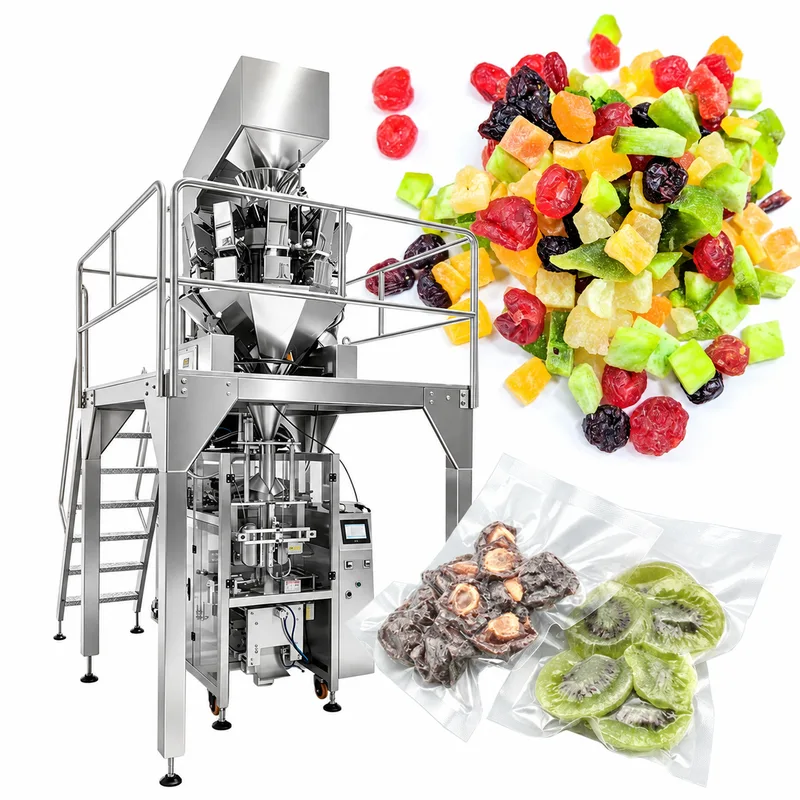
Vertical Form Fill Seal
Dried Fruit Vacuum VFFS Packaging
Too deep an extraction can break fragile fruit or press soft pieces into a mass that is hard to portion. Size this vacuum VFFS line from your fruit samples, pack shape, film and gas route.
Explore vertical bagging, single-serve sachets and premade-pouch configurations. Select by your material and preferred pack, then confirm the complete machine specification with our team.
Vertical Form Fill Seal
Too deep an extraction can break fragile fruit or press soft pieces into a mass that is hard to portion. Size this vacuum VFFS line from your fruit samples, pack shape, film and gas route.
Vertical Form Fill Seal
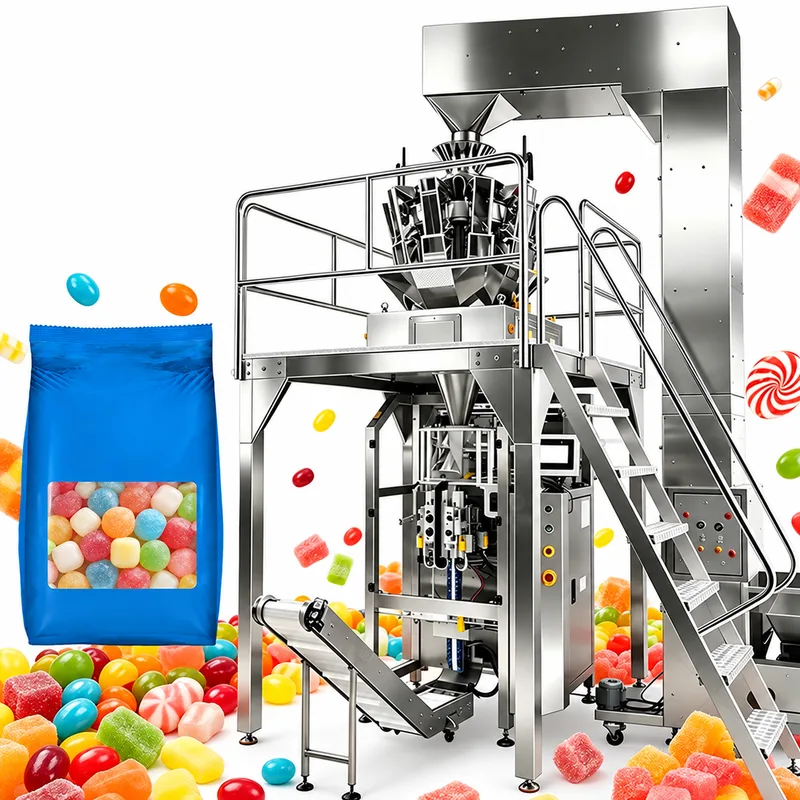
A correct bag weight can still hide broken, stuck or wrongly mixed sweets. This multihead weigher and VFFS line is set up around your candy's coating, size and pack.
Vertical Form Fill Seal
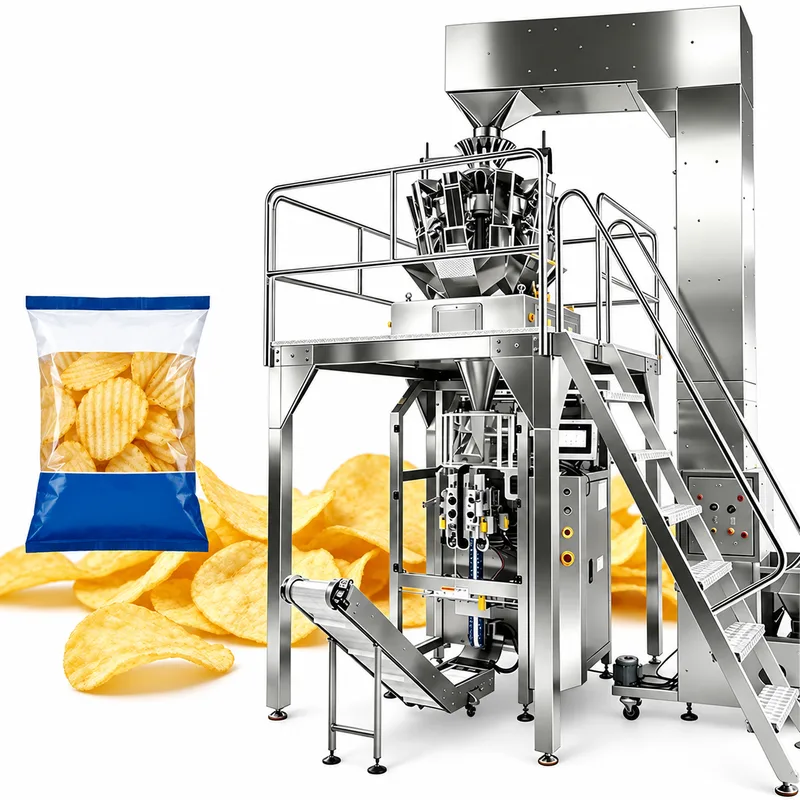
An inflated bag can hide broken chips, a short fill or a weak seal. Size this weigher, VFFS and nitrogen-flush line from your chip volume, breakage limit and gas supply.
Vertical Form Fill Seal
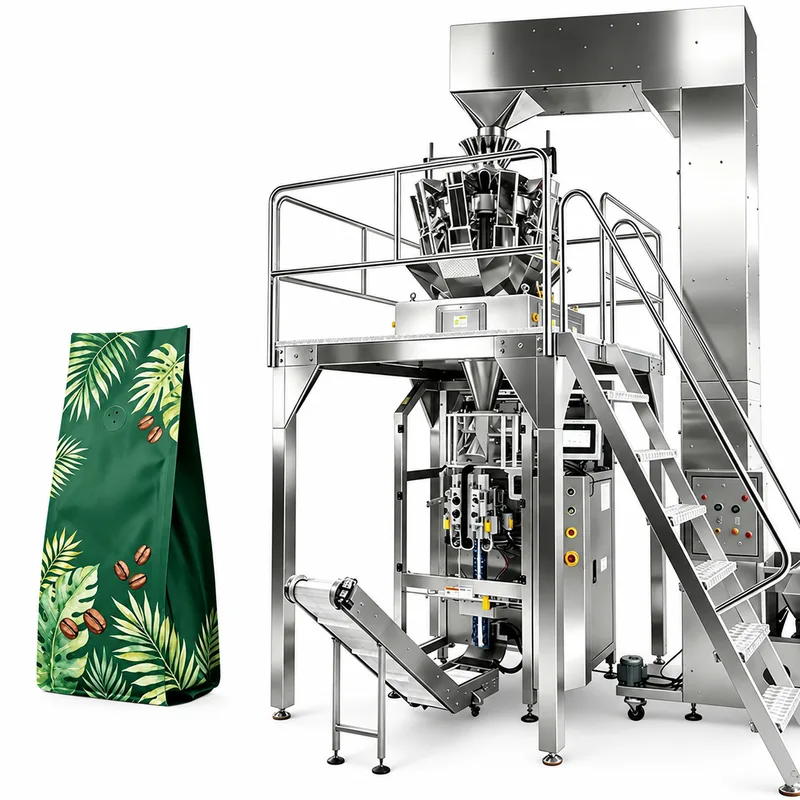
A misplaced or poorly attached degassing valve can spoil a run of coffee bags. Specify this weigher and VFFS valve line from your valve drawing, film, roast and weight.
Vertical Form Fill Seal
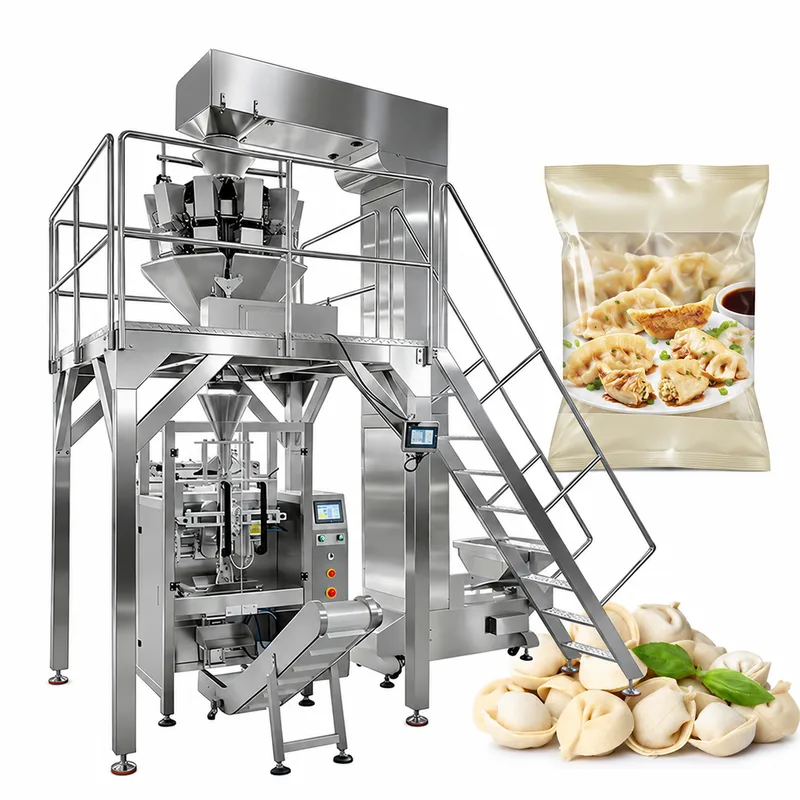
Frosted pieces retained in a hopper can leave a bag underweight and turn up in later fills. Specify this frozen-food weigher and VFFS line from product temperature, frost, piece size and cleaning method.
Vertical Form Fill Seal
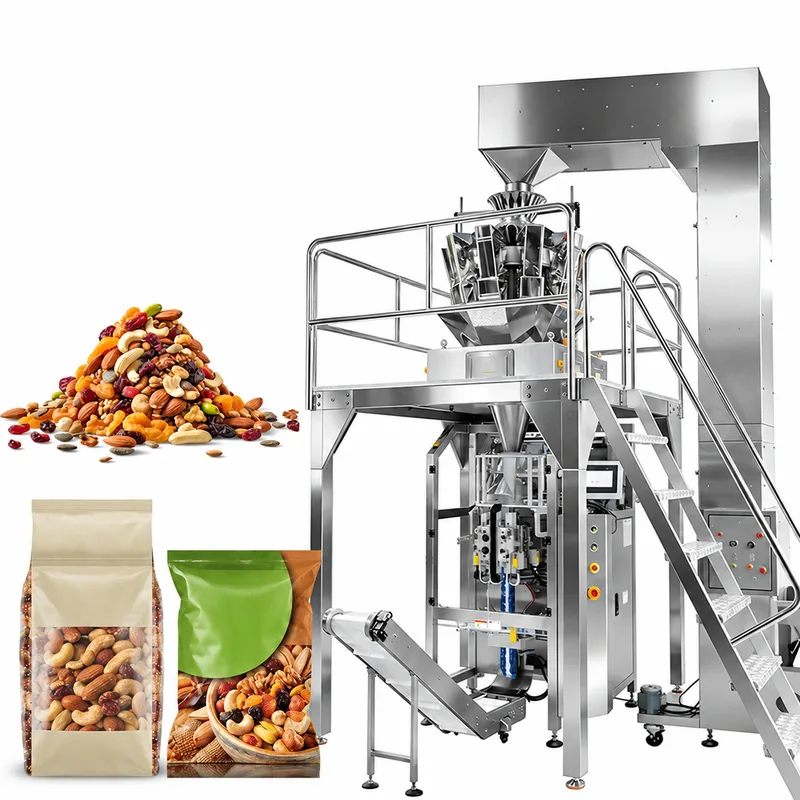
A nut-mix bag can be on weight and still hold the wrong ratio of ingredients. Configure this multihead VFFS line from your blend, coatings, target weight and bag size.
Vertical Form Fill Seal
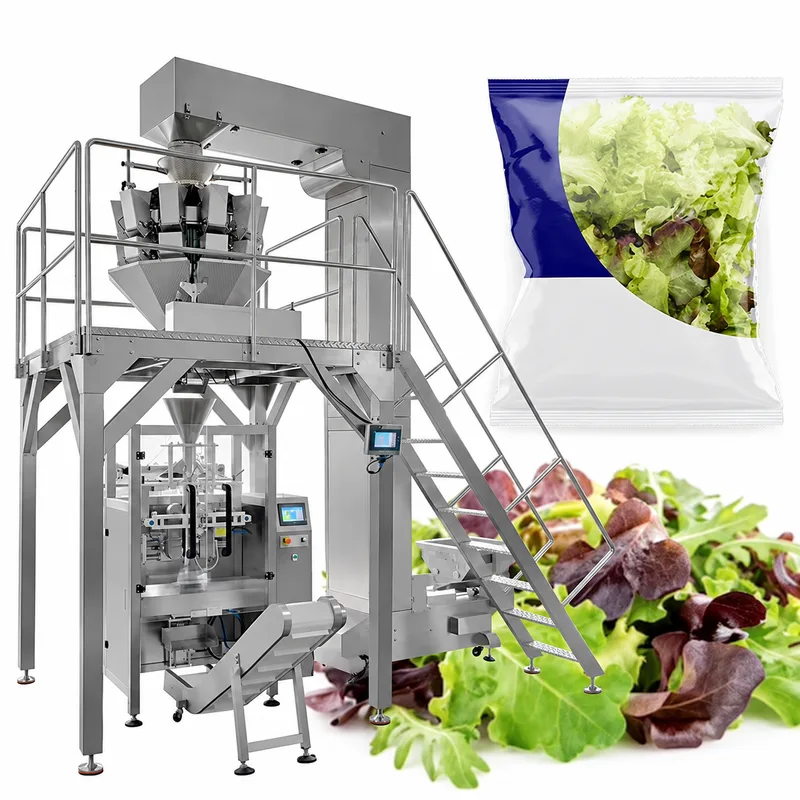
Fresh leaves and frozen vegetables need separate checks of hoppers, surfaces and cleaning; sharing an unproven setup can damage salad or hold up frosted pieces. Specify this weigher and VFFS line per product condition.
Vertical Form Fill Seal
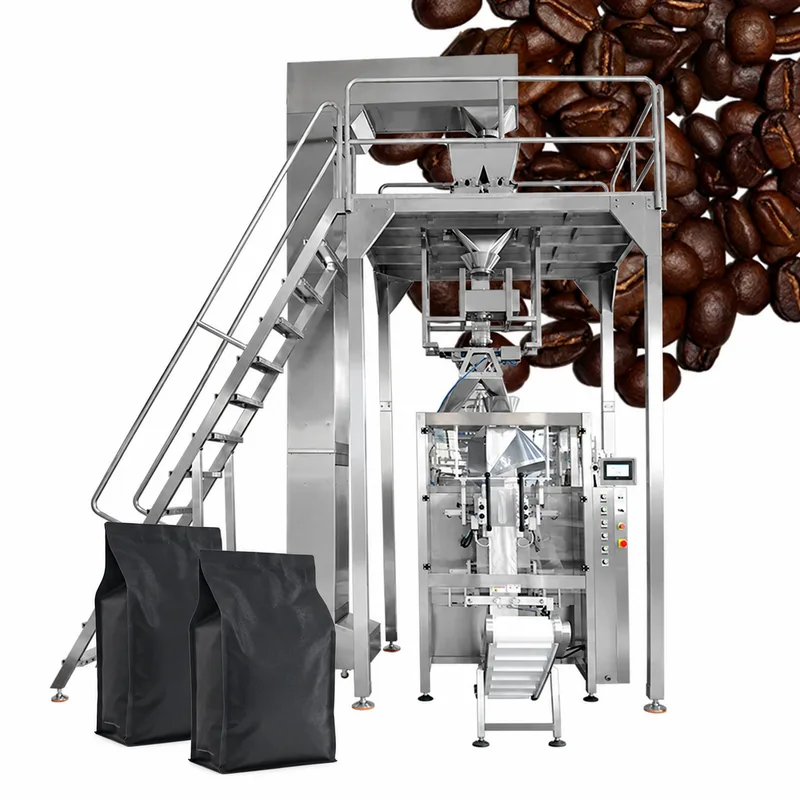
A quad-seal coffee bag that will not stand, or skews at the corners, wastes film and coffee. Specify the corners, gussets, base, valve and dosing method from your bag drawing.
Multi-Lane Stick Packs
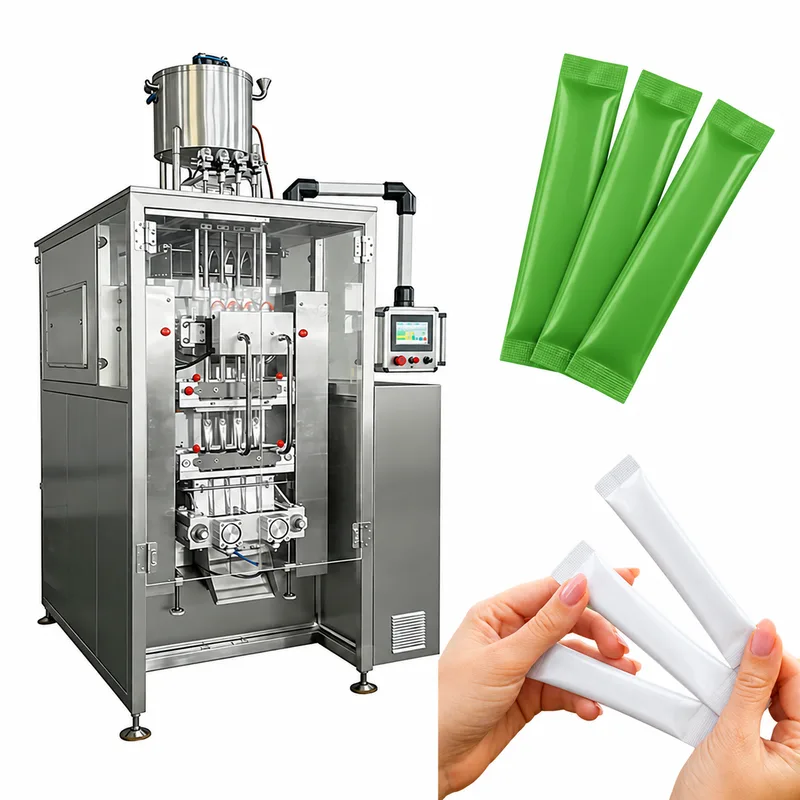
Four lanes can hide one lane that under-doses. Specify this four-lane collagen stick-pack machine from your powder density, serving weight and stick size, and sample every lane.
Multi-Lane Stick Packs
Instant, agglomerated, blended and ground coffee do not dose alike on one screw. Specify this four-lane coffee stick-pack line from your exact formula, serving and stick, and check every lane.
Multi-Lane Stick Packs
Creamer that cakes in the hopper or dusts the seal can cause runs of rejected sticks. Specify this four-lane creamer stick-pack line from your formula, serving, moisture sensitivity and changeover order.
Sauce Sachets
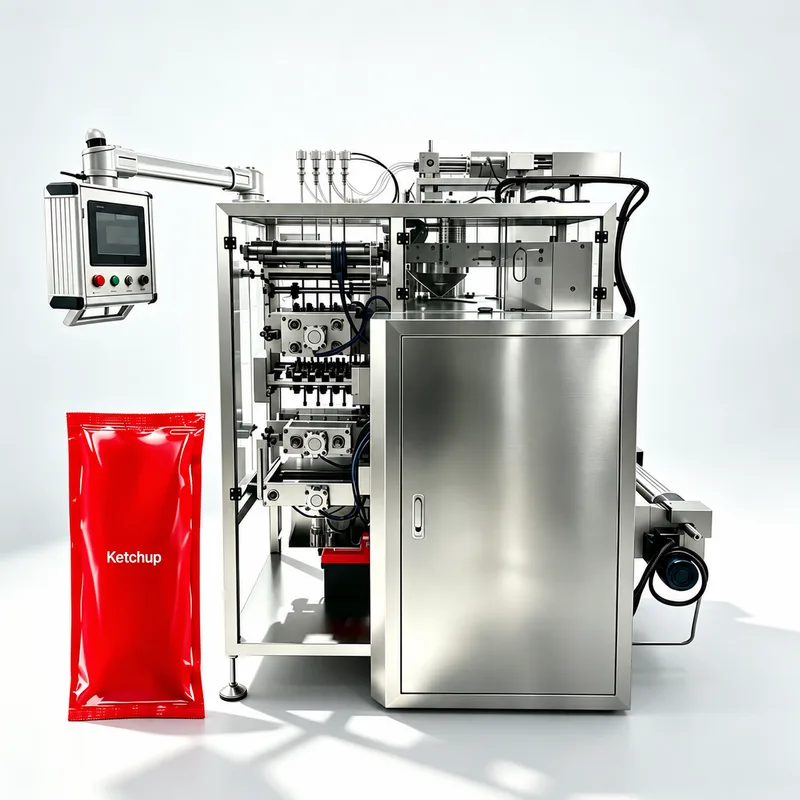
Sauce strings or drips can contaminate the seal area, leading to leaks and rejected sachets. Specify this piston-dosing four-side-seal machine from your sauce, portion, sachet drawing and film.
Premade Pouches
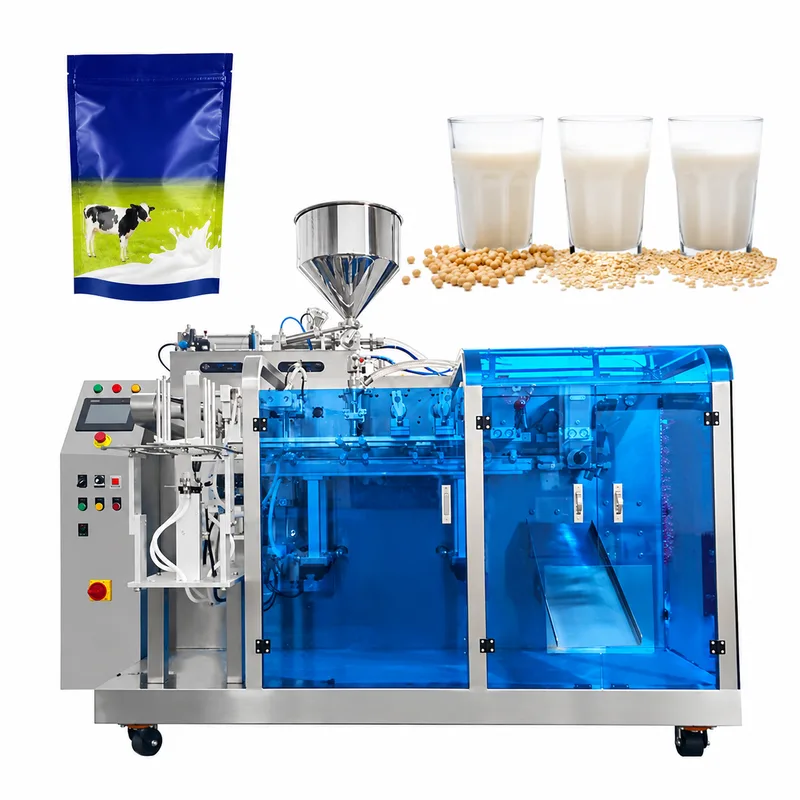
Treating a beverage pouch filler as a ready dairy system leaves treatment, cleaning and cold chain unspecified. Use this premade-pouch configuration as the starting point for a milk or beverage review.
Premade Pouches
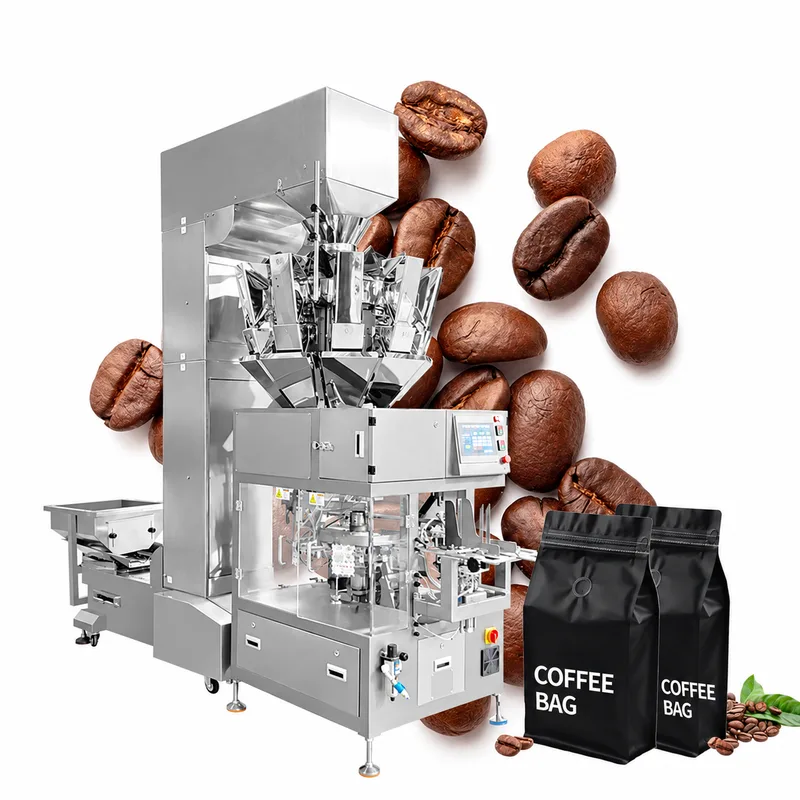
A valve or zipper too close to the pouch mouth catches beans and spoils the seal. Size this premade doypack line for coffee from your actual pouch, bean condition and fill weights.
Premade Pouches
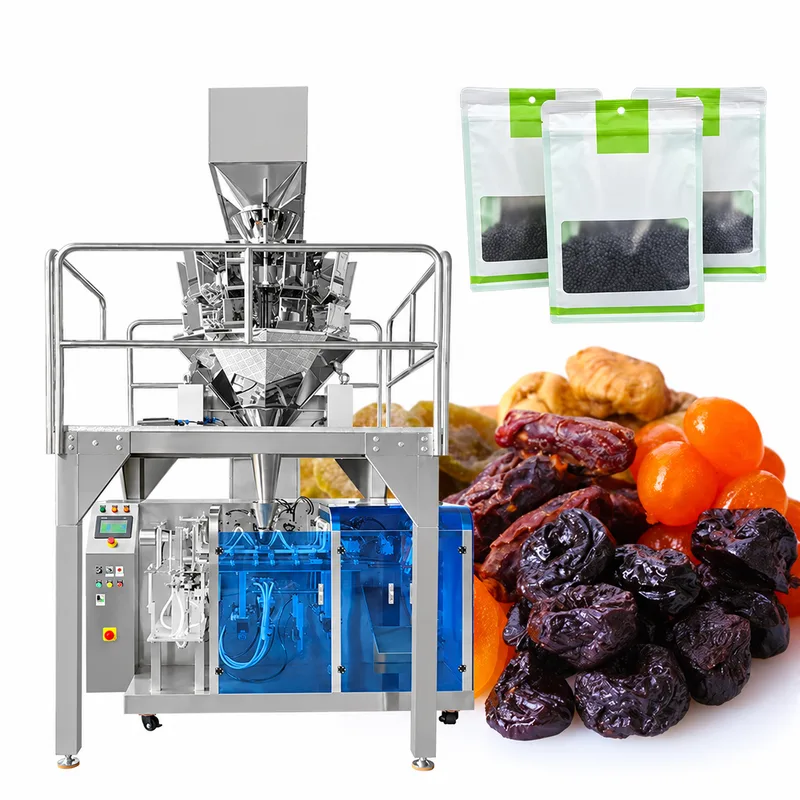
A zipper pouch can be on weight while the fruit-to-nut ratio drifts. Specify this premade zipper-pouch line from your blend state, largest piece, net opening and fill weight.
Premade Pouches
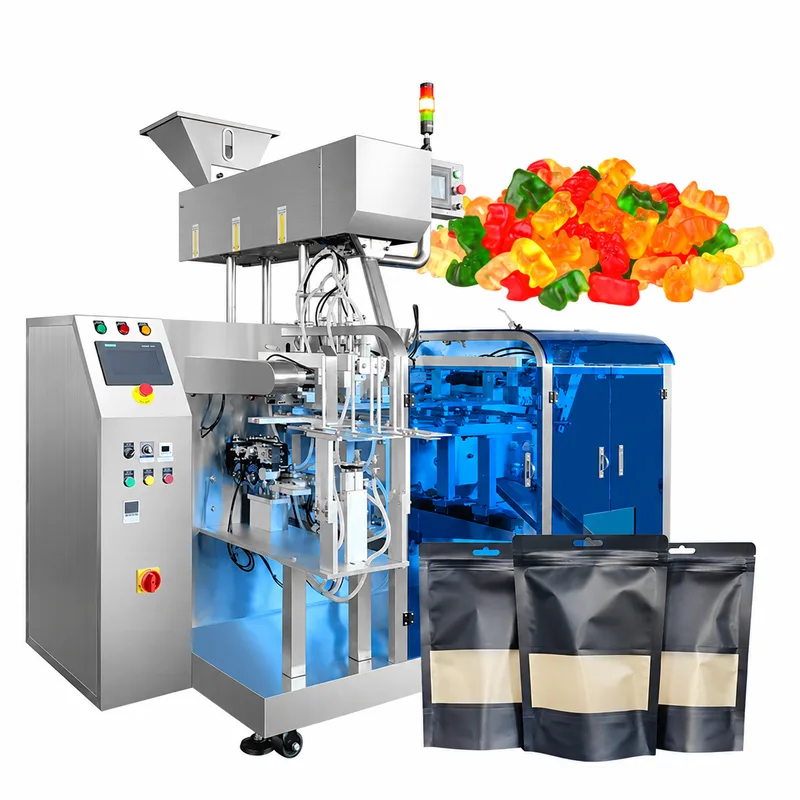
Gummies that stick, fold or leave coating on the zipper make on-weight pouches unsellable. Specify this weigher and zipper-pouch line from your coating, piece size, net opening and changeover order.
Premade Pouches
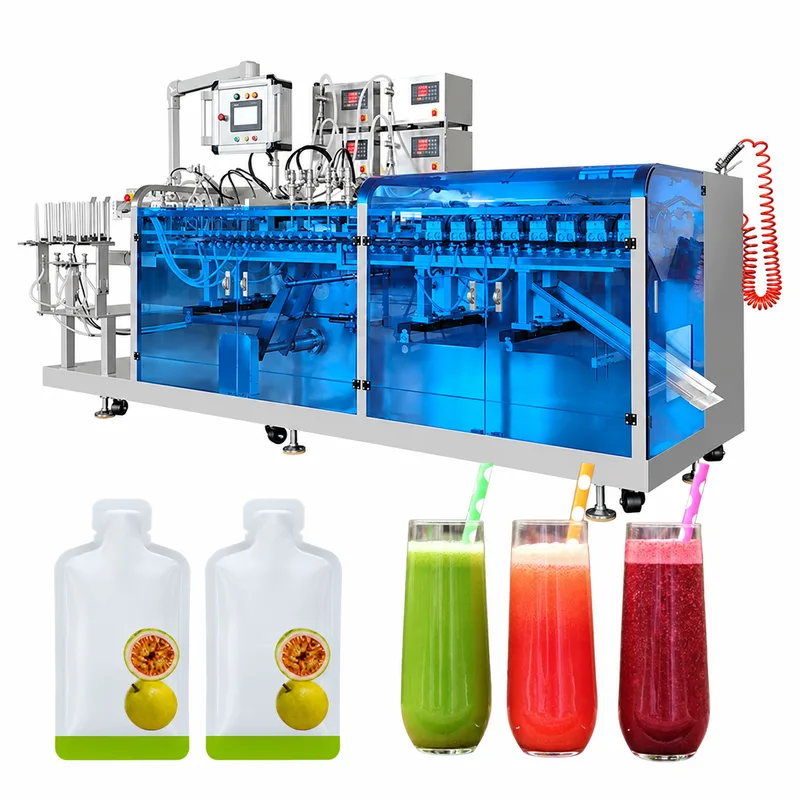
Foam or a trailing drop at the pouch mouth contaminates the top seal and the pouch leaks. Specify this premade-pouch juice filler from your beverage condition, fill quantity and actual pouches.
Premade Pouches
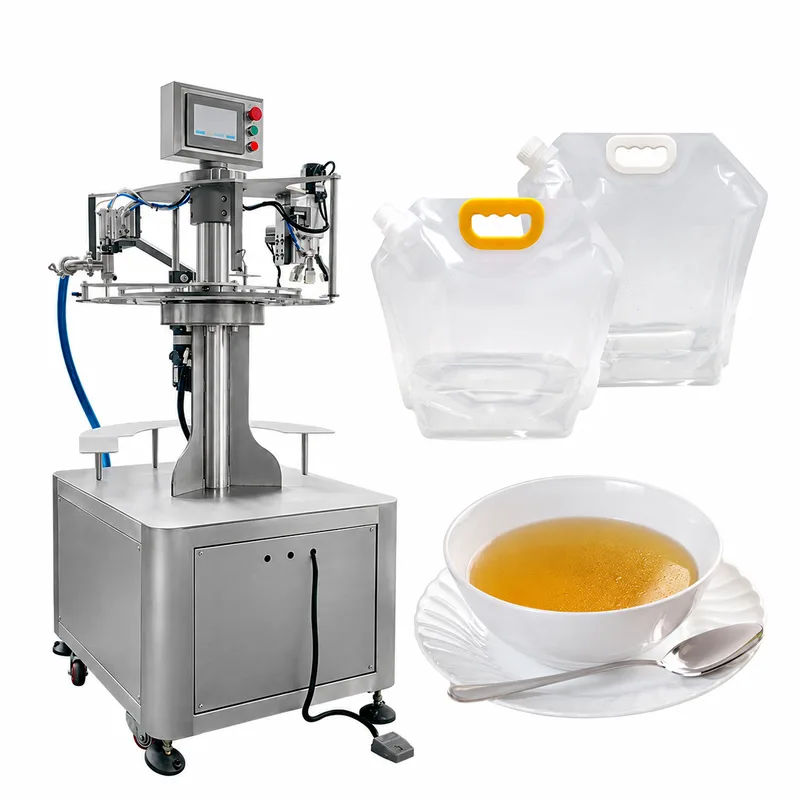
A cap that looks seated but is not engaged leaks after shipping. Specify this spout-pouch filler and capper from your pouch, neck drawing, matching cap and liquid, as a stand-alone or integrated station.
Premade Pouches
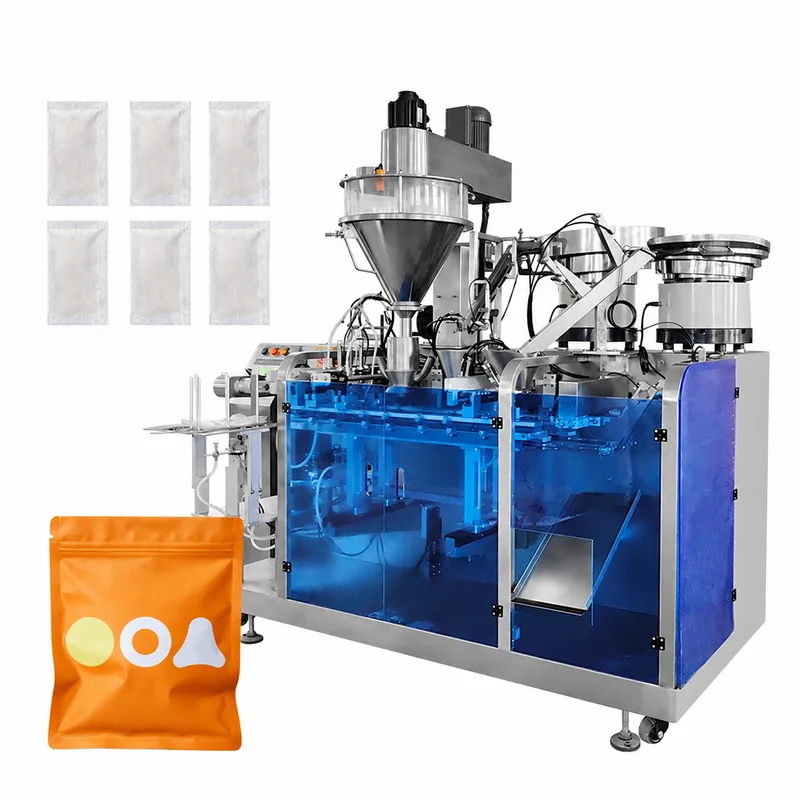
A pouch with the right food weight but a missing desiccant packet still fails. Specify this premade-pouch and desiccant-insertion line from your food, pouch and packet codes, insertion point and checks.
Compare the package-making process, filler, optional functions and operating requirements before selecting a machine for a product trial.
Decide first whether the machine will make a bag from roll film or fill a pouch that arrives already made. The vertical configurations in this catalog form a package around the product path. The premade pouch configurations handle individual empty pouches before filling and sealing. Four-lane machines divide a wider film web into narrow stick packs, and the sauce sachet configuration gives you another route for flat individual portions.
The choice affects tooling, material purchasing and how the operator supplies the line. It also heads off a common mistake in comparisons: judging machines as if they did the same job when one makes the package and the other only fills it. Bring a finished package sample or a dimensioned drawing to the first discussion. Point out its opening, seams, base, zipper or spout, and say which details must stay unchanged. If more than one format is acceptable, compare each complete packaging route with its own material and changeover requirements before you narrow the shortlist.
A filling mechanism has to suit the material that reaches it. The catalog includes combination weighing for discrete products, auger dosing for powders and piston dosing for viscous sauces. These are starting points for a configuration. They are not interchangeable attachments you can pick from a product name. Nuts of different sizes, aerated powders and sauces with particles each raise their own questions along the material path.
Describe the product as it will arrive at the machine: temperature, particle or piece size, tendency to stick, fragility and any visible separation. Send a representative production sample, not an easier substitute. For mixtures, keep correct portion mass apart from the composition of that portion, because measuring one does not prove the other. During evaluation, follow the material through feeding, measuring, discharge and the point where it enters the package. That tells you whether a problem belongs to the filler itself or to an upstream feeder, transfer chute or replenishment method.
For shredded or diced cheese, use the cheese VFFS trial brief to connect sample condition, feed behavior, portion records and seal observations before narrowing a configuration.
A valve, zipper, gas-flush connection or vacuum arrangement changes the packaging discussion. The coffee configurations show why each function should be identified on its own. Forming a coffee bag, applying a valve and introducing gas are separate tasks. Opening a zipper on an incoming pouch likewise takes a handling step beyond presenting the outer mouth to the filler, and a spout pouch has its own filling and closure interface.
List the functions your pack needs and find out where each one happens in the proposed sequence. Is the required device included, optional or outside the supplier's scope? For every feature, agree what the sample trial should demonstrate and which consumables you must supply. An accessory on the machine tells you nothing about oxygen level, shelf life or leak resistance. Those outcomes need defined measurements and a proper package evaluation. A good specification describes the proposed equipment and the checks that will show whether it meets your project's real requirements.
Plan capacity by starting from the number of saleable packages you need in a stated production period. Then count the work around the packaging cycle: refilling product, changing rolls or pouch stacks, sampling, cleaning and moving accepted packs to secondary packaging. Four lanes mean parallel packaging positions. A cycle rate describes movement. Neither one alone gives you a shift's accepted output.
Suppliers should use the same product, portion and material assumptions when they talk about capacity. Look at the smallest and largest planned packs if they change the filling or forming task substantially. In a trial, keep steady running observations apart from stops and adjustments, and record rejected or segregated packs. Follow the output past the discharge conveyor. Counting, inspection or cartoning may be the next constraint. A modest but complete line is then easier to compare with a faster packaging machine whose feeder, handling or downstream needs have not been counted yet.
For granulated or powdered sugar, use the sugar dosing-trial record to keep material condition, refill events and individual portion measurements attached to the same bag and film.
A line layout needs to show more than the outline of the machine. Leave room for ingredient replenishment, film-roll loading, pouch storage, operator access and removal of parts for cleaning. Elevated weighing systems raise different access questions from a compact stick-pack machine or a pouch filler. Existing walls, doors and conveyors can change how these tasks get done. That holds even when the equipment footprint seems to fit.
Check the actual utilities required by the selected arrangement, including any feeder, gas system or downstream module. A published value for one catalog configuration may not carry over to another, so get it confirmed. List the product and package changes you plan, then find out which need tooling, which need adjustment and which need a separate process. When you watch a changeover, include cleaning, code replacement, reassembly and first-pack checks. Timing all of that shows whether the machine fits your production schedule and the conditions in the room.
When an installed VFFS line develops a seal, film-feed or jaw symptom, use the fault-record guide to preserve the original alarm, bag evidence and completed checks for authorized service review.
Pick the closest catalog profiles as a starting point, then prepare one consistent brief for the final review. It should cover the product, portion range, package dimensions, material specification, required functions, operating hours and downstream handover. Add the current package or intended artwork if you have it. Flag the conditions that cannot change, such as an existing carton count or installation height, so the review can deal with them directly.
Before samples go out, agree on the trial material quantities and the observations to record. Keep the results for fill quantity, package formation, sealing, opening and whatever product concern prompted the test. Link photographs to the materials and settings used. The quotation should then keep confirmed configuration details apart from options and remaining review items. These catalog profiles and edited illustrations support that discussion. They do not replace a selected layout, a defined supply scope or acceptance results from the product and packaging materials intended for production.