
VFFS Troubleshooting: Seal, Film-Feed and Jaw Fault Records
Repeated resets can erase the evidence behind a failed seal. Record VFFS seal, film-feed and jaw symptoms with alarms, bag samples and the service boundary.
On This Page
What belongs in the first VFFS fault record?
A first VFFS fault record holds the exact displayed alarm, the run stage, the machine identity and a retained bag, written down before anyone resets or adjusts the machine. Then sort what you saw into seal, film-feed or jaw observations so the next authorized check targets one symptom group instead of a general complaint. This page covers what an operator can record from outside the machine and hand to service; the installed machine's manual and service instructions, not this guide, decide any intervention.
How do you preserve the alarm and operating context?
Write down the alarm exactly as displayed, with any code, the time and the machine identity, before anyone interprets it. Add the run stage, the last acceptable package and every recent product, film or setting change. One published VFFS troubleshooting article notes that its trouble reports stay on the operator screen until acknowledged; your machine may behave differently.
Record the alarm wording from an approved external position and include the configuration or documented revision known to the operator. If a nameplate is unreadable, state what is missing and retain the available order or document reference. Do not invent a code meaning or substitute a similar message from a different machine.
Describe when the symptom appeared: during startup, after a refill, following a film change, at a splice or during otherwise steady running. Keep the last known acceptable interval and the first affected package connected to that account. The same published article asks whether the room matches the environment the machine was specified for and whether an untested product or film was recently introduced. Record those facts as chronology; this guide supplies no universal temperature or humidity value, and a recent change is a lead for the reviewer rather than a proven cause.
Preserve the event before acknowledging or changing anything where the documented procedure permits this. Machine operation and stopping remain governed by that procedure. This page does not authorize repeated resets, opening guarded spaces or continuing an affected run to obtain a better video. A stopped condition with a precise description is a valid report even when further observation needs an authorized technician.
- Match the installed configuration in the packaging machine catalog
- Trace recent product, film or format changes with changeover planning
| Input or item | Typical value or source | Why it matters |
|---|---|---|
| Machine identity | Nameplate, order or manual reference | Locates the correct instructions |
| Original fault | Exact displayed message, code and time | Preserves the event before interpretation |
| Run stage | Startup, refill, roll change, splice or steady running | Narrows which stage the reviewer examines |
| Product and film | Lot and roll references with recent changes | Identifies changed conditions |
| Package evidence | Retained bag and safe external photographs | Connects the symptom to a location |
| Completed checks | Instruction reference, person and outcome | Avoids repeating or assuming a repair |
How do you distinguish longitudinal and cross-seal findings?
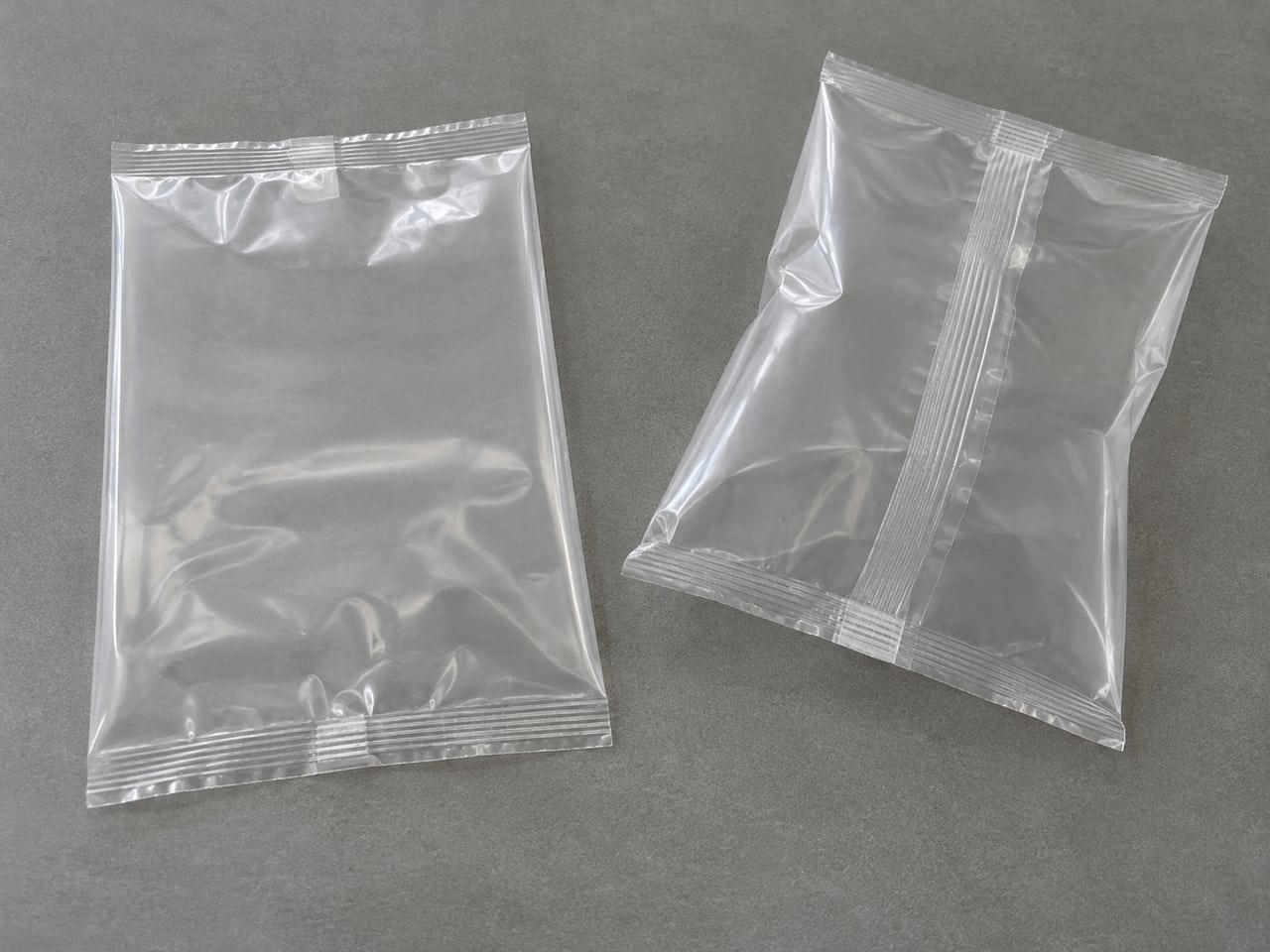
Label which seam is affected before describing why. The longitudinal seam runs along the bag, while the cross seals close its top and bottom. A published VFFS troubleshooting guide treats bad vertical seals and bad cross seals as separate problems with different possible causes, so record the location and visible appearance on a retained bag.
For the longitudinal seam, record an offset, fold, incomplete-looking closure or another specific appearance. For the cross seals, record visible product, wrinkles or the position of the defect along the seal. Keep the two locations distinct so the reviewer can connect them with different stages of forming and closing.
A photograph should show the whole package and a matching close-up of the affected area, with the bag's run reference recorded outside the picture. Preserve a suitable reference sample from the last acceptable interval if it is available under the site's procedure. Identify the film revision and whether the finding occurred before or after a roll or package change.
That guide first relates poor vertical seals to how the film is loaded, folded and positioned, and associates poor cross seals with jaw alignment, film wrinkles and product in the end seal. Those categories can organize a report, but they do not identify the cause on this machine. Record the currently displayed settings only if the approved procedure permits it, with their units and source. Any adjustment or seal-evaluation method belongs to the equipment and package instructions, not an internet temperature recipe.
- Identify the film material and revision behind a seal finding
- Retrieve the bag size and film width basis for the affected format
What can a film-feed record show from outside the machine?
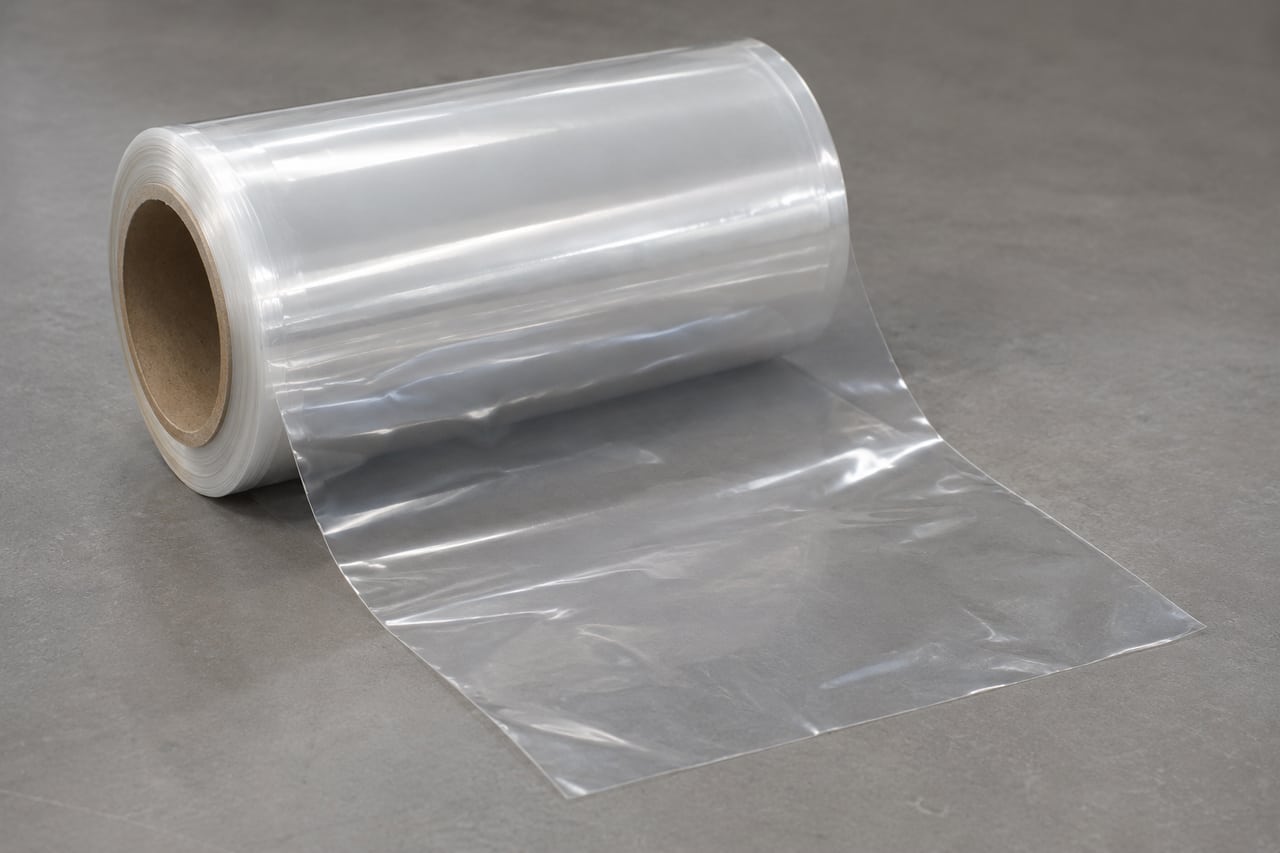
From an approved outside position, a film-feed record can show where the web first looks offset, wrinkled or interrupted, and whether that began at a roll change or splice. Public film-tracking guidance links an off-center web to uneven longitudinal seals, so log drift and seam appearance under the same event reference.
Record whether the change begins near the roll, appears farther along the path or becomes visible only on the finished seam. Keep those observations separate from a diagnosis of the tracking sensor, pull belts or forming components. Note whether the problem is sideways drift of the web or a printed mark landing in the wrong place along the bag length; those are different observations and should not share one label.
Include the roll identity, changeover interval and any splice relevant to the first affected bag. In one manufacturer's described arrangement, optical sensors detect when the film edge drifts from center and the film carriage shifts to bring it back. The same article says continued drifting can have several causes, including an off-center spindle, improper webbing or a recent splice. Whether the installed machine has automatic tracking, and how that arrangement works, must come from its own documents.
Photograph the accessible film presentation without reaching into moving or guarded equipment. Keep an external context view and a package sample under the same event reference. If the view needed for further diagnosis is inaccessible, mark it as a service-team observation to obtain under the approved procedure. This gives the next reviewer a location and sequence rather than asking an operator to alter tension or reposition a mechanism from a generalized checklist.
How should product caught at the jaws be described?
Describe the affected bag, where product is visible near the cross seal, and the exact jaw-related message as three separate observations. Published troubleshooting lists product in the end seal, filler-to-bagger timing, jaw setup and low jaw air pressure among possible jam causes, so none of these is confirmed by the bag alone.
Use retained package evidence or an approved external view to record the position of product near the cross seal. State whether the observation followed a refill, an interrupted dose or another identified event. Product in an end seal is evidence; a timing mismatch between filler and bagger is a possibility for authorized review until someone establishes it.
Describe jaw behavior separately from package appearance. Use the original displayed alarm and the operator's account of the run stage, rather than claiming a cylinder or sensor has failed. Where the documentation distinguishes an opening, closing or temperature-related message, retain its exact wording. A general phrase such as jaw jam can conceal different events and should not replace the message the equipment actually displayed.
Do not clear the obstruction, enter the jaw area or change pressure on the strength of this guide. The U.S. OSHA hazardous-energy overview gives the example of a jammed conveyor that suddenly releases and crushes a worker trying to clear it. State which authorized checks have already been completed and who performed them under which instruction. The next step is a specific service question about the observed event, not a universal fix that assumes the cause and access conditions are known.
Which checks stay with authorized service personnel?
Anything that needs a guard opened, energy isolated, a setting changed or an electrical, pneumatic or heating component examined belongs with personnel authorized under the installed equipment's and the site's procedures. The operator record stops at external photographs, retained bags, displayed information and the documented event history.
OSHA's hazardous-energy overview lists electrical, mechanical, hydraulic, pneumatic, chemical and thermal energy in machines, and warns that unexpected startup or release of stored energy during servicing can seriously injure or kill workers. That is general safety context, not a procedure for your line. Your own energy-control program and the equipment documents define who may do what, and in which order.
For a displayed temperature-related fault, preserve the message and the values the approved interface shows, if recording them is permitted. Do not conclude that a heater, sensor or relay is defective solely from that message. Likewise, an air-related warning does not establish which supply or component failed. Record the observation and let the authorized technician decide the required measurement and intervention.
If a protective function, guard or stop condition is implicated, retain the event and escalate through the site's documented process. This guide supplies no bypass, live electrical test, guard-removal sequence or restart instruction. It still helps the reader make progress: identify what is known, what cannot be observed externally and which question needs the service team, while keeping that boundary visible in the fault packet.
| Symptom or event | Identity and evidence to enter | Next review and disposition to enter |
|---|---|---|
| Seal finding | Event/bag ID: ____; seam location: ____; film revision: ____ | Appearance/check reference: ____; authorized next check: ____; owner: ____ |
| Film-feed finding | Event ID: ____; first visible offset: ____; roll/splice interval: ____ | External photograph: ____; document reference: ____; open question: ____ |
| Jaw/product finding | Exact alarm: ____; event/bag ID: ____; run stage: ____ | Visible product/jaw account: ____; completed checks: ____; service owner: ____ |
| After intervention | Instruction/person: ____; changed condition: ____; recheck sample IDs: ____ | Result reference: ____; recurring fault: ____; site release decision: ____ |
What does a useful service handover contain?
A useful handover is one event packet: machine identity, exact alarm, first affected interval, product and film references, retained bag descriptions, matching photographs and the checks already completed. It states the decision requested from the reviewer and marks what is still unknown instead of guessing a failed part.
Summarize the last acceptable condition and the change history without selecting a presumed failed part just to complete the form. List checks already performed, the documented instruction used, the person responsible and the recorded outcome. Separate an observation from an interpretation. If a component reference is needed later, connect it to the machine documents and markings rather than purchasing a visually similar substitute.
State the requested next decision: whether further external evidence is needed, which authorized inspection is required or what package check should accompany that inspection. When the packet goes to a remote review, agree first what that review can and cannot answer; a remote discussion does not replace authorized work at the machine. A focused handover lets the reviewer ask the next question while retaining the original event, instead of losing the trail across several messages with different film, product or machine assumptions.
- Preserve actual component references before ordering a spare part
- Agree what a remote support review of the event can answer
How is an authorized correction followed by a recheck?
After an authorized correction, record the instruction reference, what changed, who did it, the recheck conditions and the result against the same original observation. The site's own release procedure decides when production resumes; a cleared alarm or a better-looking seam is not package approval on its own.
Record the product, film and pack used for the approved recheck, and identify which of the original observations is being reassessed. Retain the corresponding package samples and measurement results under the same agreed method. If the fault reappears, record the new interval and message instead of overwriting the first event. If several conditions changed, preserve that distinction so the reviewer does not attribute the outcome to one unisolated cause.
Include whatever inspection and release criteria the responsible equipment, production and quality teams require. This page does not grant restart permission, prescribe a repeated-reset routine or define an acceptable seal result. The final event record should show the observed condition, intervention reference, recheck conditions and release decision, with unresolved findings handed back to service.
When does this record not apply?
This record does not apply when the machine is damaged, a person is at risk or the next observation needs guarded access; follow the site's emergency or energy-control procedure instead. It is also not a fault-code dictionary, a repair manual or a package-acceptance standard for any particular machine or product.
Other packaging routes, such as premade-pouch or horizontal equipment, and equipment-specific alarms require their own documents. If the installed machine has no available manual, record that gap and ask the manufacturer or authorized service for the matching documents before any equipment-specific step. If the installed machine's procedure conflicts with a general observation prompt here, follow the installed equipment's procedure. Package acceptance criteria, sampling plans and release authority belong to the buyer's quality system, not to this observation guide.
Method and sources
This guide was revised in October 2026 from public VFFS troubleshooting and automatic film-tracking articles published by an equipment manufacturer, the U.S. OSHA hazardous-energy overview, and buyer questions posted in quality and engineering forums. It contains no measured fault diagnosis, numerical setting, tested case or repair approval.
The manufacturer articles list possible causes and describe particular equipment arrangements; their specific settings and operating or corrective steps were deliberately left out because they may not apply to the installed machine. The film-tracking mechanism mentioned above is summarized only as that manufacturer's described arrangement. The troubleshooting article itself describes its tips as general and refers readers to the owner's manual or the manufacturer's service department. Forum questions were used to choose topics, not as technical evidence. Adjacent guides on film requirements, cleaning access and spare identification handle preparation tasks rather than authorizing repairs.
Frequently asked questions
What are the common problems with packing machines?
On a VFFS line, the recurring problem groups are longitudinal or cross-seal defects, film-feed changes and jaw or trapped-product events. Keep the original displayed fault and package evidence with each category; the list organizes triage and does not establish a cause.
Can photos or videos of a VFFS fault show the cause?
Not on their own. Photos locate the symptom, such as which seam failed or where product sits, but the cause needs the exact alarm, run stage, retained bag and an authorized check. Send a whole-package view and a matching close-up under one event reference, taken without entering guarded areas or running the line just to film it.
Is there a simple setup guide that works for any VFFS machine?
No. Setup, reset and adjustment steps depend on the installed machine and its documented configuration. Ask the manufacturer or authorized service for the manual matching the nameplate or order reference; if it is missing, record that gap in the fault packet rather than borrowing another machine's procedure.
Should root-cause analysis come before changing seal settings?
Yes. Preserve the original fault, separate the observed defect from suspected causes and let the authorized reviewer decide what to change. Changing several settings at once makes any improvement hard to attribute to a single cause.
Should bags made during a seal fault be rejected?
Hold them until the responsible quality owner decides. A visible wrinkle does not by itself prove a failed seal test, and a clean-looking seam does not prove a good one; the site's package specification and release procedure decide disposition. Record the affected interval and pack IDs so that decision reaches the right packs.
How do food manufacturers handle recurring VFFS seal issues?
This guide's sources do not establish a single industry routine. A traceable approach links the original fault, visual findings, documented package tests and a named release decision, and records each authorized correction and recheck under the same event reference so recurrences can be compared.
What else should be recorded to judge seal quality?
Record the test method and result your package specification requires alongside the visual observation, with seam location, film revision and run interval. This guide sets no KPI, sample size or pass threshold; those come from the buyer's quality plan.
What to send us
| Item | Why we need it | Example format |
|---|---|---|
| Machine identity and documents | Locate the correct manual and event | Nameplate photo or order reference; manual version |
| Exact alarm and fault stage | Preserve the event before interpretation | Displayed message or code, time and run stage |
| Product, film and recent changes | Separate material changes from symptoms | Lot and roll references with change log |
| Retained bags and safe external photos | Locate seal, film or jaw observations | Whole-pack view with matching close-up |
| Completed checks and intervention record | Avoid repeating or assuming a repair | Instruction reference, person, outcome, recheck status |
We reply within 24 hours.