
Plan Packaging Changeovers
Timing only mechanical adjustments understates downtime. Measure from the last accepted old-format pack to release of the new run, including checks.
The review decision
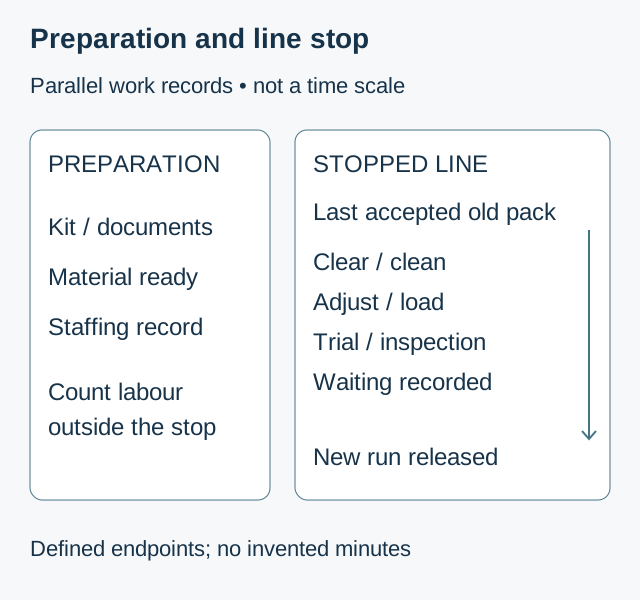
Use the last accepted old-format pack and the release of the new run as the stopped-line boundaries. Record clearing, cleaning, mechanical work, trial packs and release checks separately. Preparation outside that interval still consumes labour. The transition worksheet connects both format identities to those tasks.
On This Page
Choose the transitions that deserve review
Use the last accepted old-format pack and the release of the new run as the stopped-line boundaries. Record clearing, cleaning, mechanical work, trial packs and release checks separately. Preparation outside that interval still consumes labour. The transition worksheet connects both format identities to those tasks.
List what differs between jobs: product, dose, bag dimensions, film and optional functions. Say how often you will switch. Changing printed artwork is a different task from changing bag width or moving to another dosing material. That list lets the supplier quote a realistic procedure and tooling scope.
Treat each current product and pack as a starting condition and each planned next format as a destination. Some transitions happen often. Others bring the biggest differences in material, tooling or cleaning. A matrix shows why one quoted changeover duration falls short. Swapping artwork reels of the same approved construction is one task. Going from a granular product to a sticky product with another bag width is quite another.
Pick representative transitions for the demonstration based on the expected production schedule, and include the difficult direction as well as the convenient one where the tasks differ. Clearing a residue-producing product before another formulation may need a different procedure than the reverse order. Your own quality staff should define the product-release requirements. A mechanical adjustment plan cannot decide those for them.
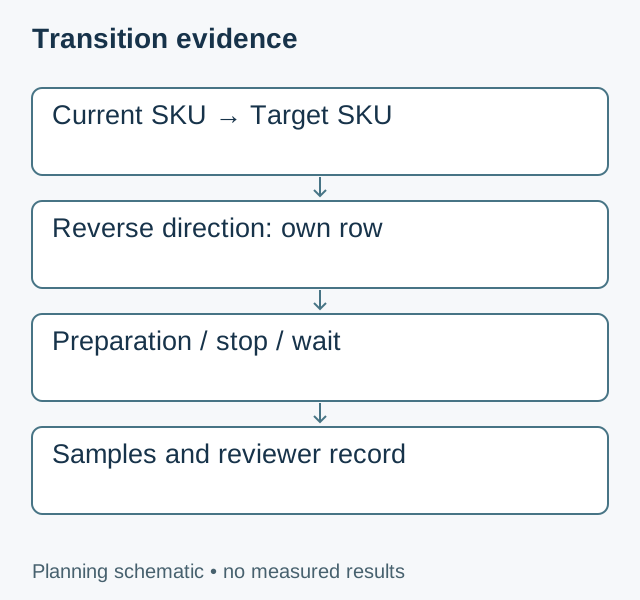
Use a separate record for the reverse transition when the residue or release requirements differ. Put the preparation crew and their tasks alongside the stopped-line record, rather than comparing labour-free demonstrations with normal staffing. Mark tasks that overlap so their durations are not blindly added together. Where waiting overlaps inspection, preserve the event times and explain the chosen total. Link each delay to the missing part, document or decision that caused it. This makes a later improvement review specific: preparing a kit may shorten the stopped interval, but it does not eliminate the work of checking and storing that kit. Keep a blank entry for unavailable evidence rather than supplying an expected duration.
| Field | Entry | Evidence / owner |
|---|---|---|
| Current SKU and format revision | ________ | ________ |
| Target SKU and format revision | ________ | ________ |
| Parts removed / fitted | ________ | ________ |
| Recipe identity and revision | ________ | ________ |
| Clearing / cleaning procedure | ________ | ________ |
| Preparation labour outside the stop | ________ | ________ |
| Stopped-line start and finish | ________ | ________ |
| Waiting / inspection interval | ________ | ________ |
| Trial samples and release evidence | ________ | ________ |
Separate preparation from the release interval
Pick two clear endpoints: the last accepted old-format pack, and release of the new-format production under the agreed procedure. Split the interval into clearing, cleaning where applicable, mechanical work, material loading, trial packs and acceptance checks. Waiting time gets its own line. That includes delays for missing parts or an unavailable reviewer. These categories show where preparation and coordination can improve.
Repeat an important transition when you can. One expert demonstration sets no allowance. Compare the results with your intended staffing and materials. The goal is a repeatable procedure with identifiable parts and a reliable release check, not the shortest time achieved under exceptional preparation. Review the matrix whenever the product, packaging supplier or tooling changes, so the recorded method still matches the actual work.
Check the first acceptable samples for fill quantity, seal condition, appearance and code position, using the agreed method. Note the parts and settings used, plus anything unresolved. Real changeover time depends on the defined task and operating conditions. Measure a representative procedure. Skip any unsupported universal figure.
Identify the format kit before the stop
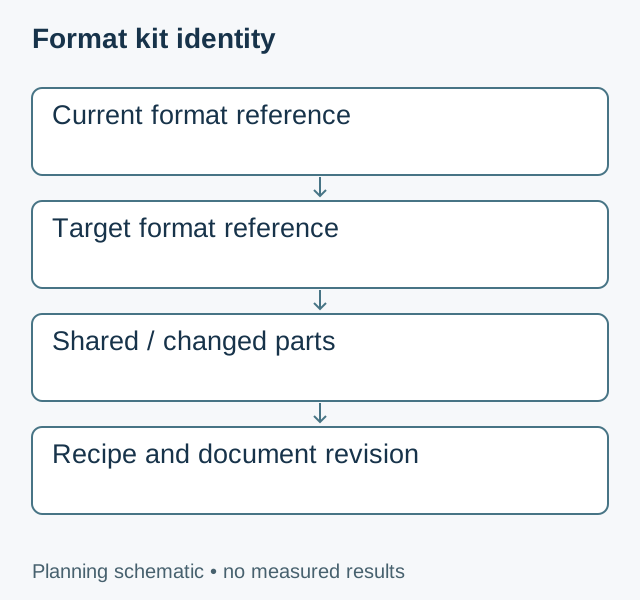
Find out which forming, dosing and guide parts a format needs and which are included in the price. The applicable instructions and the recipe information should be reviewed too. Cleaning access and material removal belong in the plan. Saving a recipe does not make every physical or product-contact change automatic.
Make a parts list for every approved format, with drawing references and clear photographs where they help identification. Include the forming components, guides and dosing parts the supplier confirms are relevant, and note which components are shared between formats. Similar items are easy to mix up in storage, so keep them apart. A neat shadow board only helps if its labels match the actual approved parts and revisions.
When the process allows it, prepare packaging material, documentation and inspection tools before the planned stop. Record that preparation separately from stopped-line work so the measured improvement stays honest. Moving a task outside the stop can cut lost production time, but the task and its staffing need do not vanish. That matters when a demonstration run by several people is compared with the crew the factory will really have.
Keep recipes and adjustments traceable
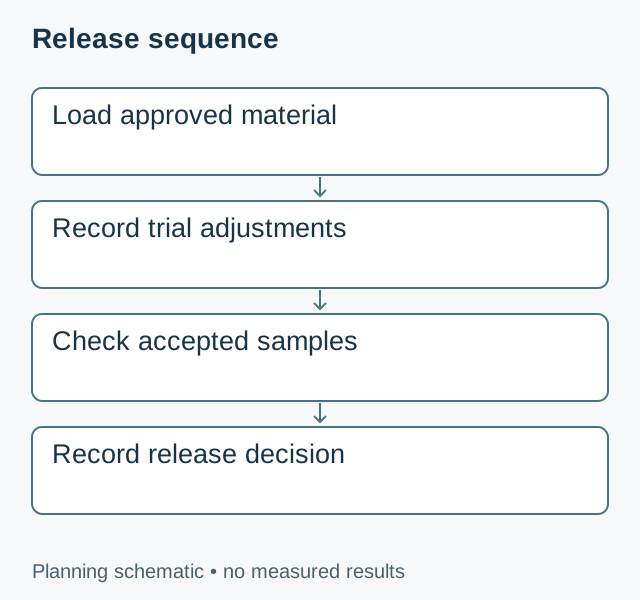
Keep the approved recipe identity, its revision and the material specification together. Note which adjustments belong to the routine procedure and which need authorised technical review. A photograph of a screen is not a full recipe backup, and values copied from a similar machine may not be appropriate. The manufacturer's documentation and the installed configuration decide how settings are stored and restored.
During a trial, log every adjustment between initial setup and the first accepted pack. An operator who keeps correcting the same setting is telling you the setup instructions need work, or that there is an unresolved material difference. Preserve the final approved state, and keep enough history to explain why it changed. Troubleshooting a later changeover from that log is much easier than doing it from memory of the last good run.
Test the procedure with the intended team
In a trial, let the intended operators work through the sequence with the supporting instructions. Watch for delays caused by access, component identification or missing information. Adjustments made after the first packs are worth recording, because they may point to a setup step that needs clearer wording. Often the best gain is a repeatable procedure.
Link the final changeover record to both formats. If a material or product changes later, check whether the same sequence still fits. The measured task breakdown can then drive better preparation, tooling storage and training. A fast demonstration by an expert is not the normal production allowance for an untrained team.
When a recorded duration does not transfer
When you ask for support, send the current approved format and the proposed next format side by side. Include product, dose, packaging specification, tooling references and recipe identity where available. Say which part of the transition causes trouble, because asking for a faster changeover gives the reviewer nothing to work with. A missing forming component, a lengthy cleaning task and a delayed quality release each need a different response. With that comparison the reviewer can propose a specific investigation or documentation update, without promising a universal changeover duration.
Method and sources
This worksheet reorganizes the existing plan packaging changeovers into a project review record. Its fields and diagrams are editorial planning aids, not supplier specifications, measured results or approved procedures. The source is this site’s published guide and its configuration-review scope, revisited on 8 October 2026. The questions below follow the buyer issues identified in the page review; they are not presented as search-volume or customer-enquiry statistics.
Technical Reading
- OEM Magazine: Flexibility and Changeovers — First-hand industry meeting coverage on operating priorities; the companies discussed are independent of this site.
Frequently asked questions
Is changing artwork the same as changing bag width?
No. Compare the actual film construction, bag dimensions and tooling scope. A reel artwork change may leave the approved geometry unchanged; a width change may involve format parts and a new setup review.
Does preparation before the stop count as work?
Yes. Record its tasks, staffing and labour separately from stopped-line time. Moving a task earlier can reduce the stop while leaving the total preparation effort in place.
Can forward and reverse changeovers share one duration?
Only if the recorded tasks and conditions justify that comparison. Product clearance and cleaning can differ by direction, so retain separate transition records where needed.
Does a saved recipe replace mechanical change parts?
No. The recipe record covers settings. Use the supplied instructions to identify the forming, guide and dosing parts required for the next format and check the assembled state before release.
Explore the Equipment
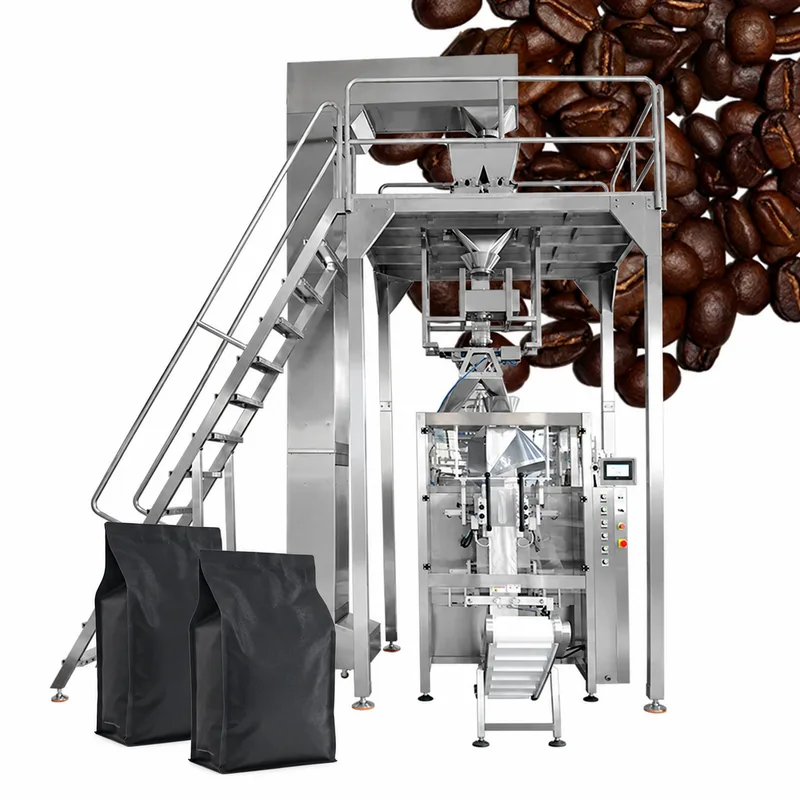
Vertical Form Fill Seal
Quad-Seal Coffee Packaging
A quad-seal coffee bag that will not stand, or skews at the corners, wastes film and coffee. Specify the corners, gussets, base, valve and dosing method from your bag drawing.
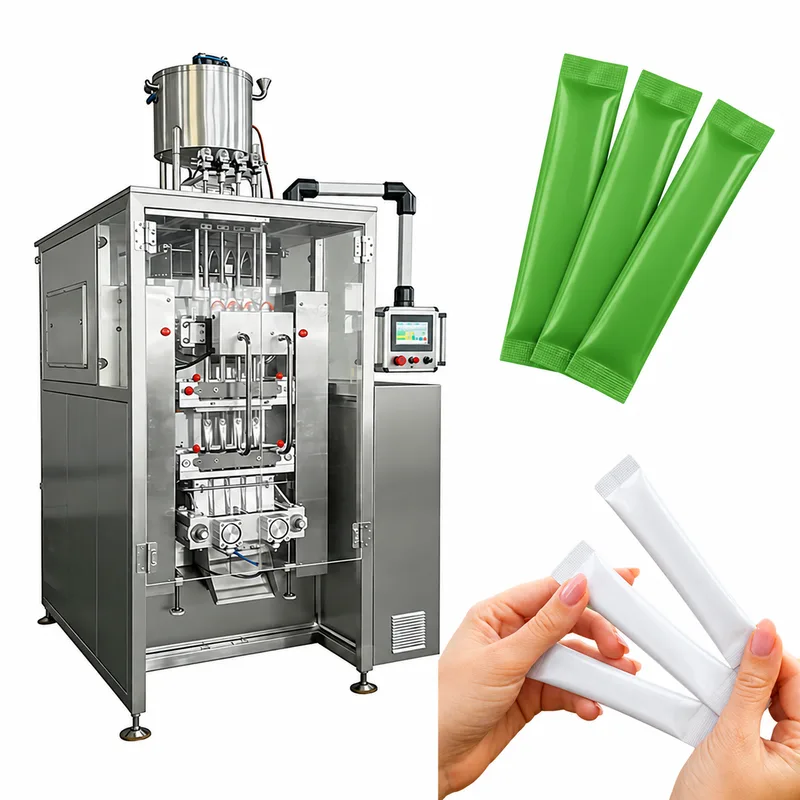
Multi-Lane Stick Packs
Four-Lane Creamer Stick-Pack Machine
Creamer that cakes in the hopper or dusts the seal can cause runs of rejected sticks. Specify this four-lane creamer stick-pack line from your formula, serving, moisture sensitivity and changeover order.
What to send us
| Item | Why we need it | Example format |
|---|---|---|
| Current and next job specifications | Connect this review point to its supporting record and unresolved questions. | Labeled project brief with record references |
| Format parts and documentation | Connect this review point to its supporting record and unresolved questions. | Dated document or drawing with revision |
| Cleaning and recipe-review tasks | Connect this review point to its supporting record and unresolved questions. | Annotated photographs plus matching worksheet entries |
| Restart sampling and configuration record | Connect this review point to its supporting record and unresolved questions. | Review log: open item, owner, evidence and status |
We reply within 24 hours.