Coffee Packaging Machines
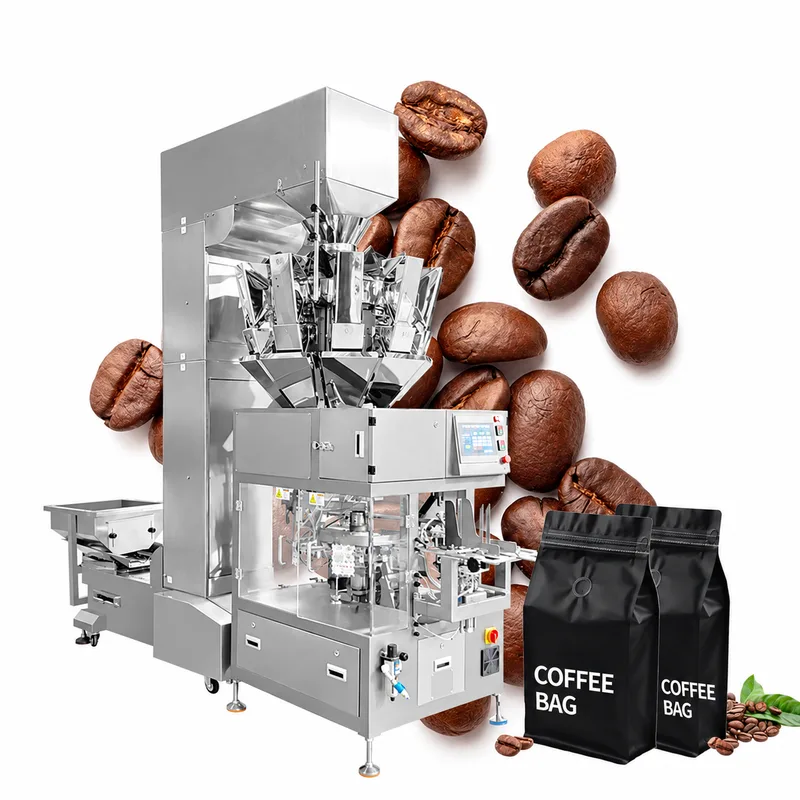
The wrong coffee route can leave dosing or pouch handling outside the quote. Start with beans or powder, then roll film or premade pouches.
Move from a product category to a defined package, dosing route and equipment scope using the application guidance below.
The wrong coffee route can leave dosing or pouch handling outside the quote. Start with beans or powder, then roll film or premade pouches.
A weight-only snack brief can miss breakage and bag-volume limits. Compare product size, occupied volume and incoming damage before choosing the line.
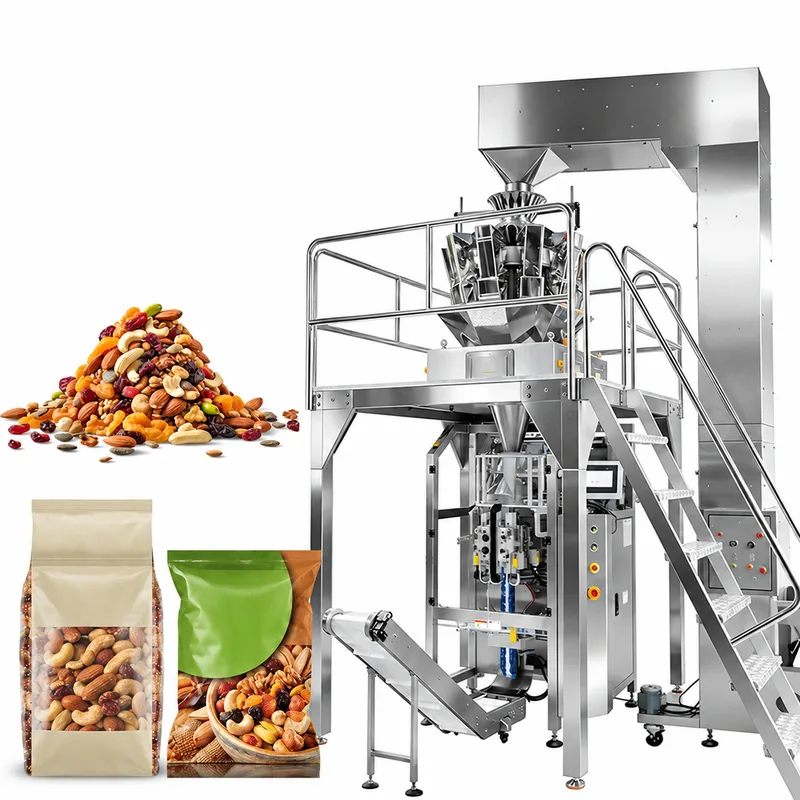
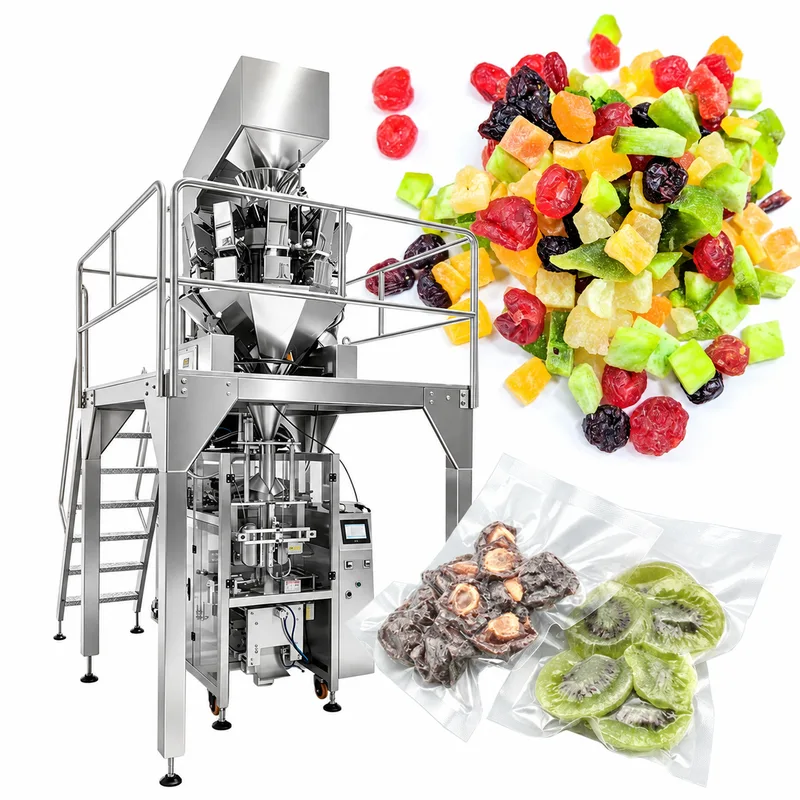
Nut, dried fruit and mixed-nut packaging machines: pillow bags, zipper pouches or vacuum bags, plus how to specify blends, oily and sticky pieces.
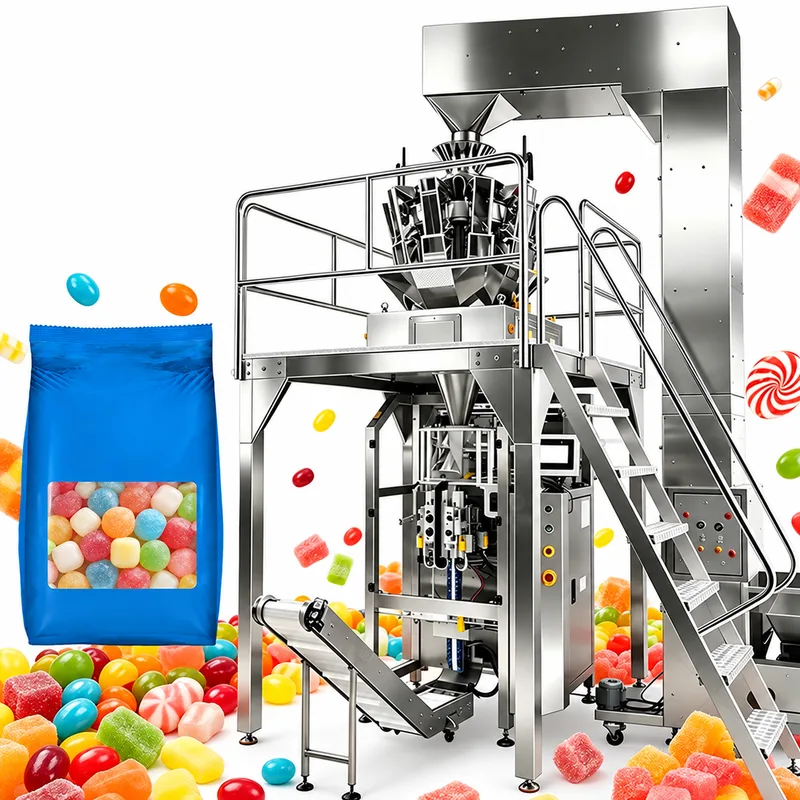
A correct candy bag weight can hide the wrong count or assortment. Specify the candy condition, acceptance target and roll-film or zipper-pouch route.
Grouping frozen pieces with fresh leaves can hide handling requirements. Define product state, volume and cleaning needs before selecting a bagging route.
Reusing powder tooling by product name can leave dose and stick volume mismatched. Assess collagen, coffee and creamer formulas separately.
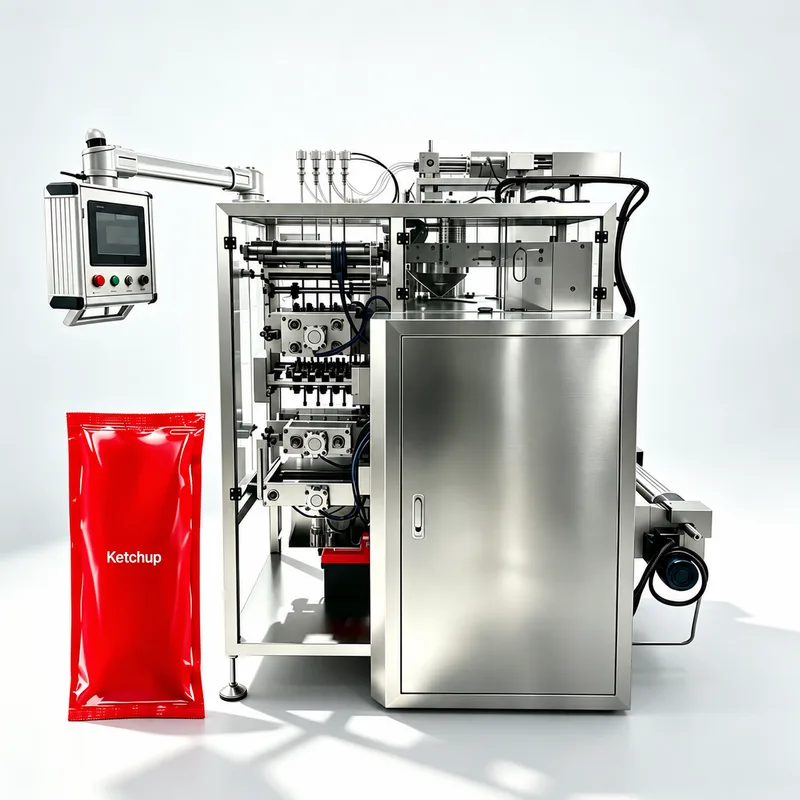
A mismatched closure can leave sauce equipment incomplete. Compare sachet, premade and spout routes by filling condition; define product treatment separately.
A pooled stick sample can hide a lane problem. Start instant-coffee selection with the actual formula, dose and film drawing, then review each lane.
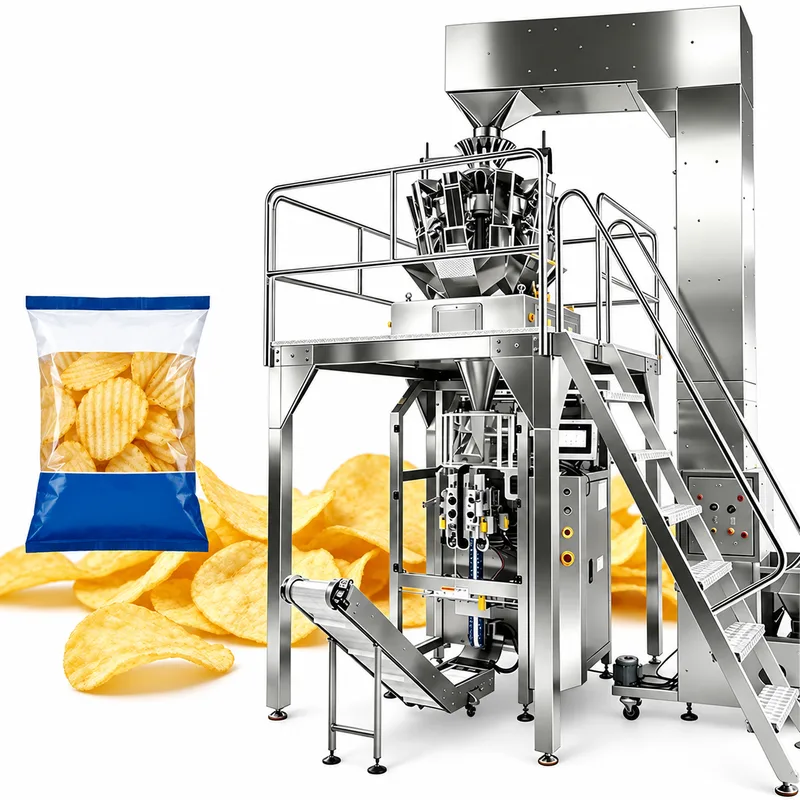
Broken chips and trapped pieces can reject an otherwise correct-weight bag. Review incoming damage, portion volume and gas scope before comparing bagger speed.
A portion can fit the weight range and still crowd the hopper or bag. Compare loose volume and release for plain, coated and clustered popcorn first.
Long fruit strips can catch at a pouch opening, and vacuum can compress the pack. Compare multihead VFFS, zipper-pouch and vacuum routes with actual fruit.
Deformed gummies and sugar in the seal can reject a correct-weight pack. Compare roll-film VFFS and premade zipper pouches with the actual coating and shape.
Compressed shapes or trapped pieces can spoil a marshmallow pack. Review loose portion volume, deformation and bag clearance before choosing multihead VFFS.
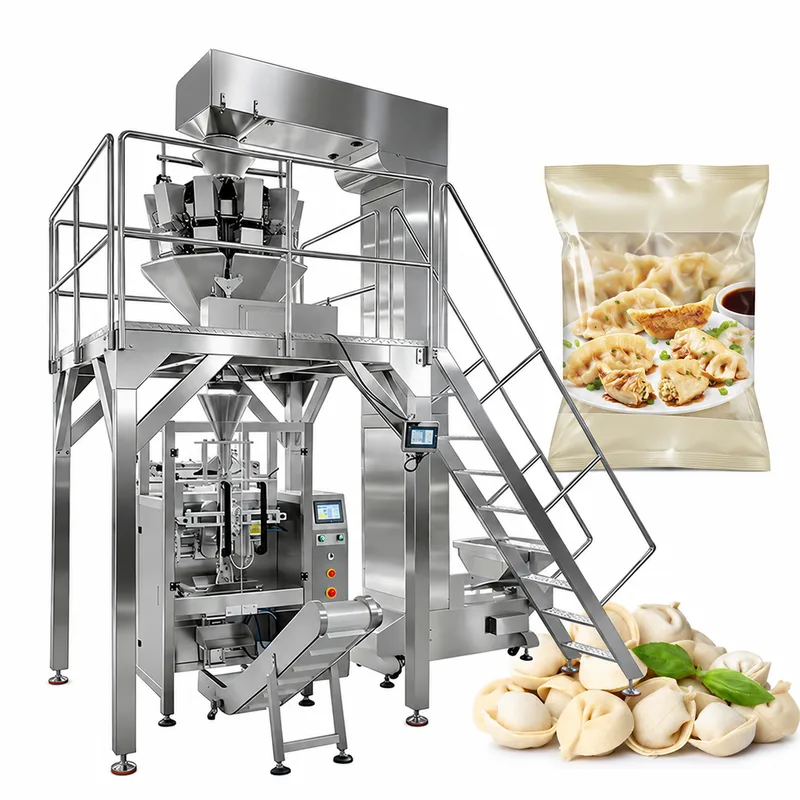
Broken edges and frost can change dumpling handling. Review the frozen state, weight or count requirement, bag clearance and environment before coding options.
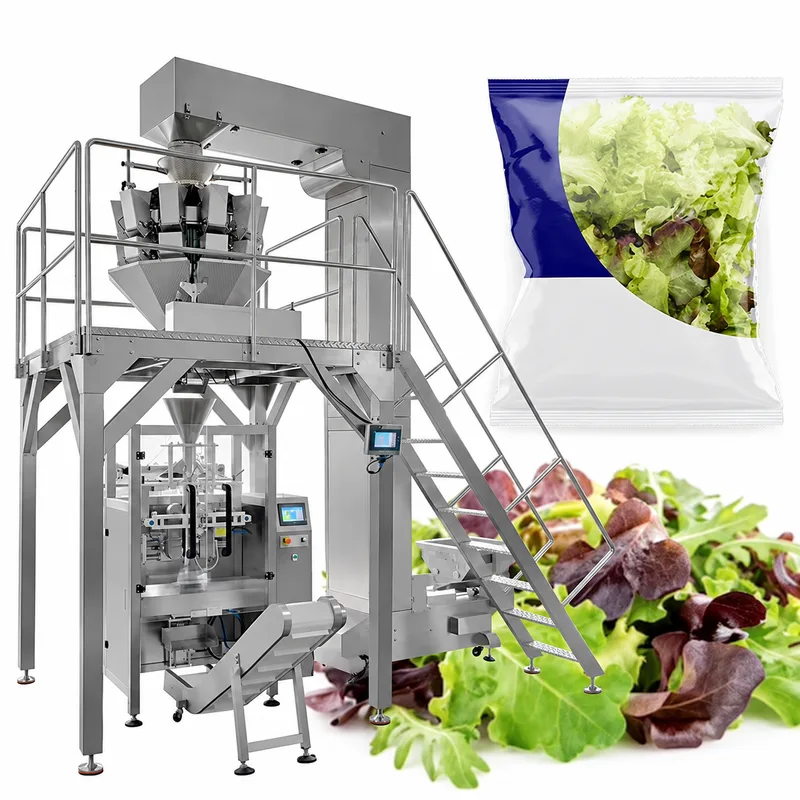
Trapped leaves and bruising can reject a correctly weighed salad bag. Review leaf size, loose volume, moisture and seal clearance on the actual fresh mixture.
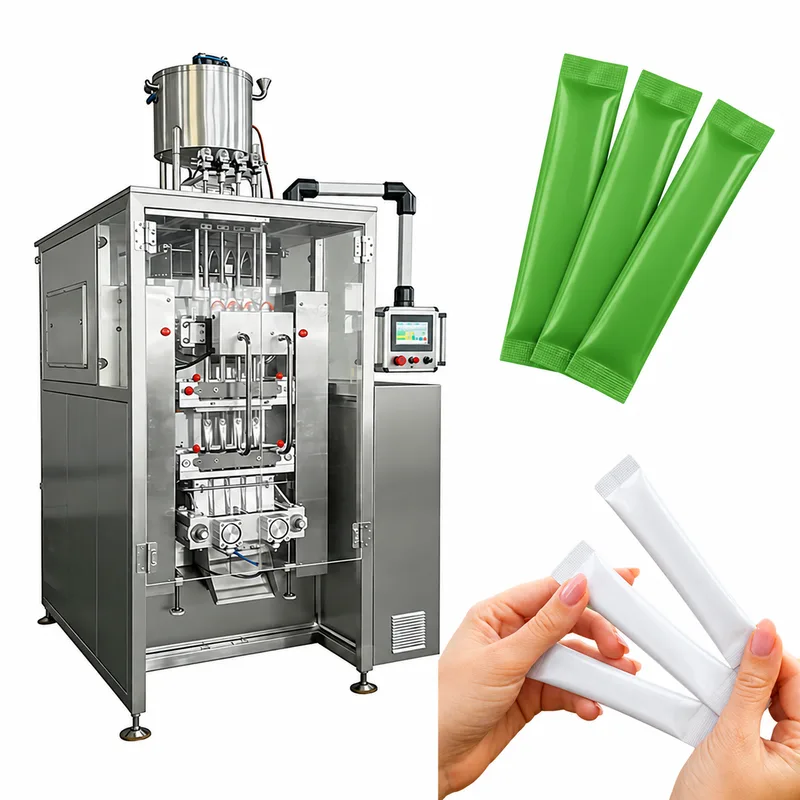
A dose can crowd the stick or hide a lane difference. Review collagen formula, density, usable pack space and per-lane samples before choosing cut styles.
Using single-stick artwork as a four-lane film layout risks reprinting. Review the complete web, creamer formula, dose and each lane before ordering film.
Sauce strings at cutoff can dirty the seal and waste sachets. Start with actual ketchup consistency, portion units and usable space inside the four sealed borders.
Use the application cards to find the closest product, then describe the material your line will actually receive. A product name is a useful starting point, but the product's condition matters just as much. Coffee may arrive as whole beans, fine grounds or an instant beverage blend. Fruit may be loose, sticky or clustered. A vegetable project may involve hard frozen pieces or fresh leaves that take up much more space. These differences change the equipment discussion before a bag has even been selected.
Prepare a short incoming-product profile with photographs, representative samples and the target quantity for each retail pack. Describe the range within normal production, including larger pieces, coatings, visible moisture or relevant temperature conditions. If several products must share the line, rank them by business priority and name the most difficult examples. The review then has a sensible order. Settle the everyday products first, then check additional recipes against the proposed arrangement.
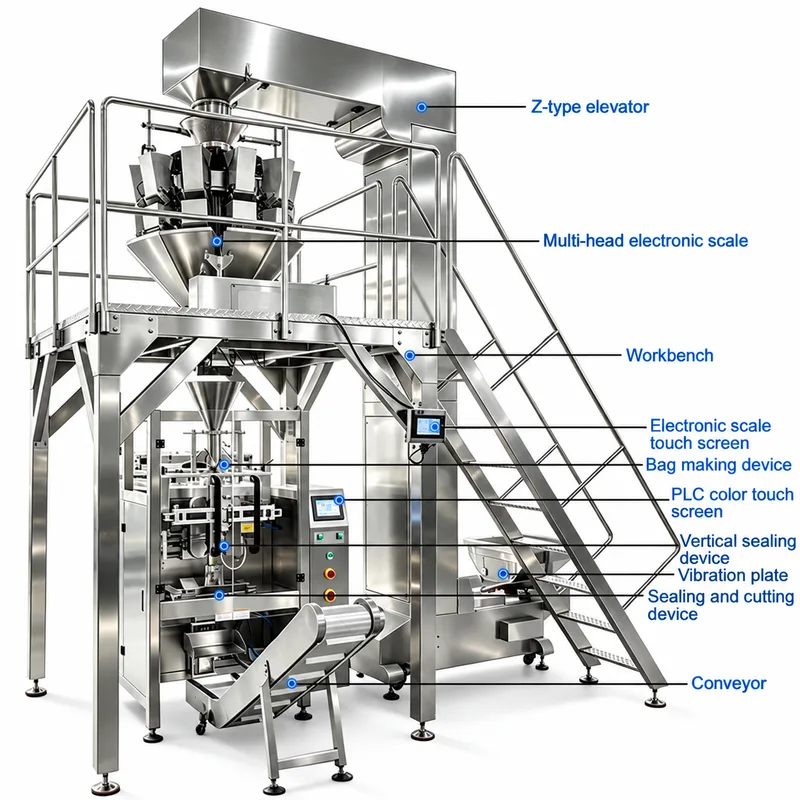
For discrete pieces such as nuts, beans, candy and many frozen foods, the catalog offers multihead weighing connected to vertical bagging or a suitable pouch-handling arrangement. For powder portions, the stick-pack range uses auger dosing. For ketchup and related sauce sachets, the described route uses piston dosing. These are equipment starting points that help organize an enquiry. They do not establish compatibility with every material within those broad categories.
Think about what must be controlled in the portion. A plain nut bag needs a defined total quantity. A mixed-nut product may also need an ingredient-distribution requirement. A bag of dumplings may have a desired piece count as well as a stated mass. Keep those objectives separate and ask which functions the proposed system actually provides. If you need blending or counting in addition to weighing, make that extra work visible. The quotation should explain how the required result will be assessed with your product.
Roll-film and premade-pouch systems start from different packaging materials. A vertical form-fill-seal machine draws film and creates the bag during production. A premade-pouch machine receives bags that are already made, opens them, fills them and completes the closing operation. A multi-lane stick machine divides its film supply into parallel small-format packs. Choosing between these routes starts with a clear view of the package the business intends to buy and sell.
Bring a finished reference pack to the discussion whenever possible. Mark the dimensions, opening feature, folds, zipper or valve, and say which features come from the packaging supplier. For a roll-film project, request a compatible drawing before approving printed material. For a pouch project, send physical examples of the actual construction. If the business already owns packaging stock, say so early. Existing zipper pouches cannot simply be treated as roll film. A preferred flat artwork design does not fully describe the machine needed to produce its filled shape.
The central bagger is only part of a packaging installation. Product may arrive from a conveyor, a storage container or an upstream processing line, and it may need an elevator and an elevated weighing platform before reaching the bag. Completed packages may discharge into containers or move to another operation. Your layout has to include all of these connections, along with practical access for replenishing packaging materials and reaching product-contact parts.
Show the available room height, existing conveyor positions and the intended direction of product flow on a dimensioned sketch. Note which equipment already exists and which elements the new offer must include. A frozen-food business may need the proposed interfaces reviewed with its existing process equipment. A powder business may need to define how material reaches the supply hopper. These are different installation questions. Recording the handoff points makes it easier to compare offers that cover the same work and to spot missing modules before equipment is ordered.
The catalog includes gas-flushing, vacuum, valve, zipper and spout-related configurations, but these functions serve different package concepts. A snack project may want a gas-filled bag. A coffee project may specify a valve. A dried-fruit business may compare an evacuated pack with a reclosable pouch. A sauce project may choose between a tear-open portion and a larger spouted package. Describe the feature you need directly instead of asking for every available option.
For each selected function, find out what hardware and supply connections are included, what the packaging supplier must provide and how the result will be examined. Optional equipment should have a clear purpose in the approved package. A gas connection does not establish a storage-life result, and a vacuum option does not show that every product keeps the appearance the brand expects. Leave those finished-product decisions with the responsible packaging and quality teams, and use the equipment review to confirm the proposed mechanism and its scope.
Once the likely application and package route are clear, assemble a small project pack: incoming-product information, representative material, target quantities, bag or film samples, a factory sketch and the expected production schedule. State which combinations are essential at launch and which are future possibilities. Include the required options and any existing equipment the proposed system must connect to. This gives the supplier enough context to identify a configuration and the questions that still need demonstration.
Use the resulting trial to examine the decisions that matter for the selected application. Chips need an agreed product-damage comparison. A leafy mixture needs attention to release and sealing clearance. Powder sticks need observations across the lanes, and sauce portions need filling and closure reviewed together. Ask for a record linking each result to the tested product, packaging material and setup, and keep untested combinations visible in the offer. The goal is a usable purchase specification tied to the products your business will pack.