
Sticky Dried Fruit Packaging
Long fruit strips can catch at a pouch opening, and vacuum can compress the pack. Compare multihead VFFS, zipper-pouch and vacuum routes with actual fruit.
| Input or route | Material / evidence to provide | Decision to review |
|---|---|---|
| Multihead VFFS | Roll film; check portion release and formed-bag appearance | Representative fruit + film drawing |
| Premade zipper pouch | Made bags; check usable zipper opening and entry path | Long pieces + production pouches |
| Vacuum VFFS | Roll film; check acceptable compression and texture | Actual fruit + desired evacuated-pack reference |
Choose the configuration from the product and package
Select multihead VFFS for review of a film-formed pack, a premade zipper route for a reclosable pouch, or vacuum VFFS for an evacuated presentation. Match each route to actual fruit release and the accepted finished appearance.
- Multihead VFFS — assess release into a film-formed bag
- Fruit zipper-pouch configuration — review opening and filling sequence
- Vacuum VFFS — define the required compressed-pack appearance
- Sticky-product feeding — record buildup and late release
- Zipper-pouch opening — distinguish outside width from usable entry
- Fill weight and bulk density — compare portion volume
On This Page
Describe stickiness as an observed product condition
Dried fruit can reach packaging with different surface sugar, moisture and oil characteristics. Start with a practical description of what operators see: pieces that arrive loose, clusters that separate during handling, or material that stays on existing surfaces. Include fruit size and shape, because a short raisin and a long dried mango strip raise different clearance questions. Supply samples that cover normal production variation.
The available routes include multihead VFFS, premade zipper pouches and vacuum VFFS. They give different package choices, but each still needs a review with the actual fruit. The word dried is no proof that material will feed freely. Tell the supplier how the fruit is stored and transferred before packaging, so the sample demonstration can be related to the condition the installed line will receive.
Trace release through the full product path
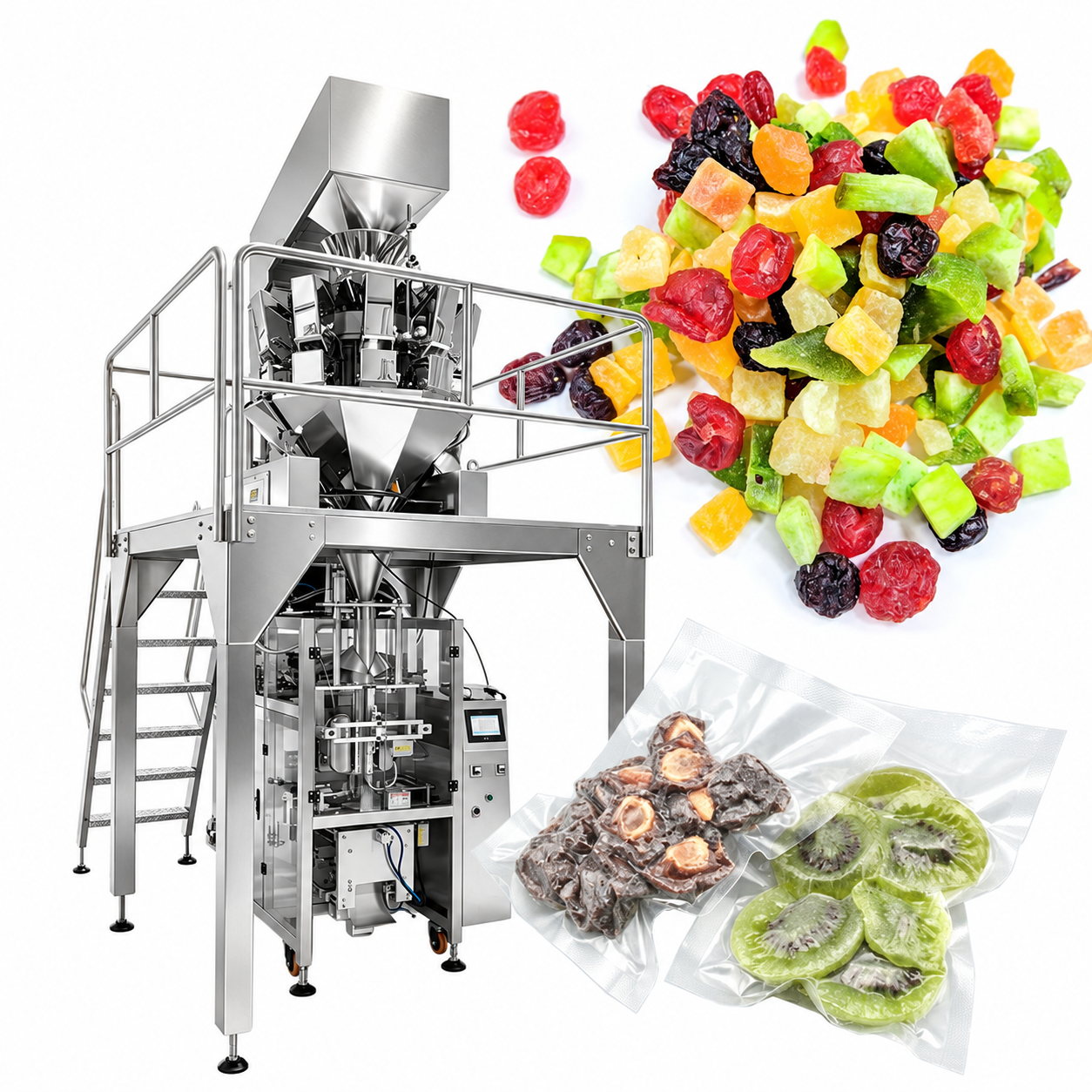
Inspect the proposed route from bulk supply to the filled bag. The supplier should identify contact surfaces, changes in direction and discharge openings. During the trial, watch where fruit stays after a cycle, whether it releases late and whether clusters interrupt consistent feeding. A satisfactory portion on the weighing display reveals none of this.
If dimpled or other surface options are proposed, record where they are used and compare their behavior with the representative material. A general anti-stick description is not evidence of universal performance. What you need to know is whether the selected arrangement releases this fruit under the agreed conditions. Tie photographs and run notes to the product batch, so a later proposal to change a surface or chute can be evaluated against a known baseline.
Separate portion accuracy from retained-fruit behavior
A system may deliver acceptable quantities while building up fruit in a part of the path that affects later operation. Watch the equipment through replenishment and normal pauses, not only during the first minutes with freshly loaded material. Check that operators can inspect retained product on the proposed configuration, and that access fits the factory's intended cleaning method.
Record the types and locations of retained material without improvising an intervention. Equipment adjustments and cleaning steps should follow the supplied procedures and the site's process requirements. For purchasing, what matters is how much routine access is required and whether the proposed layout makes that work practical. That gives a fuller picture of daily operation than a short demonstration chosen only to show the target bag weight.
Use a pouch-opening demonstration for long fruit pieces
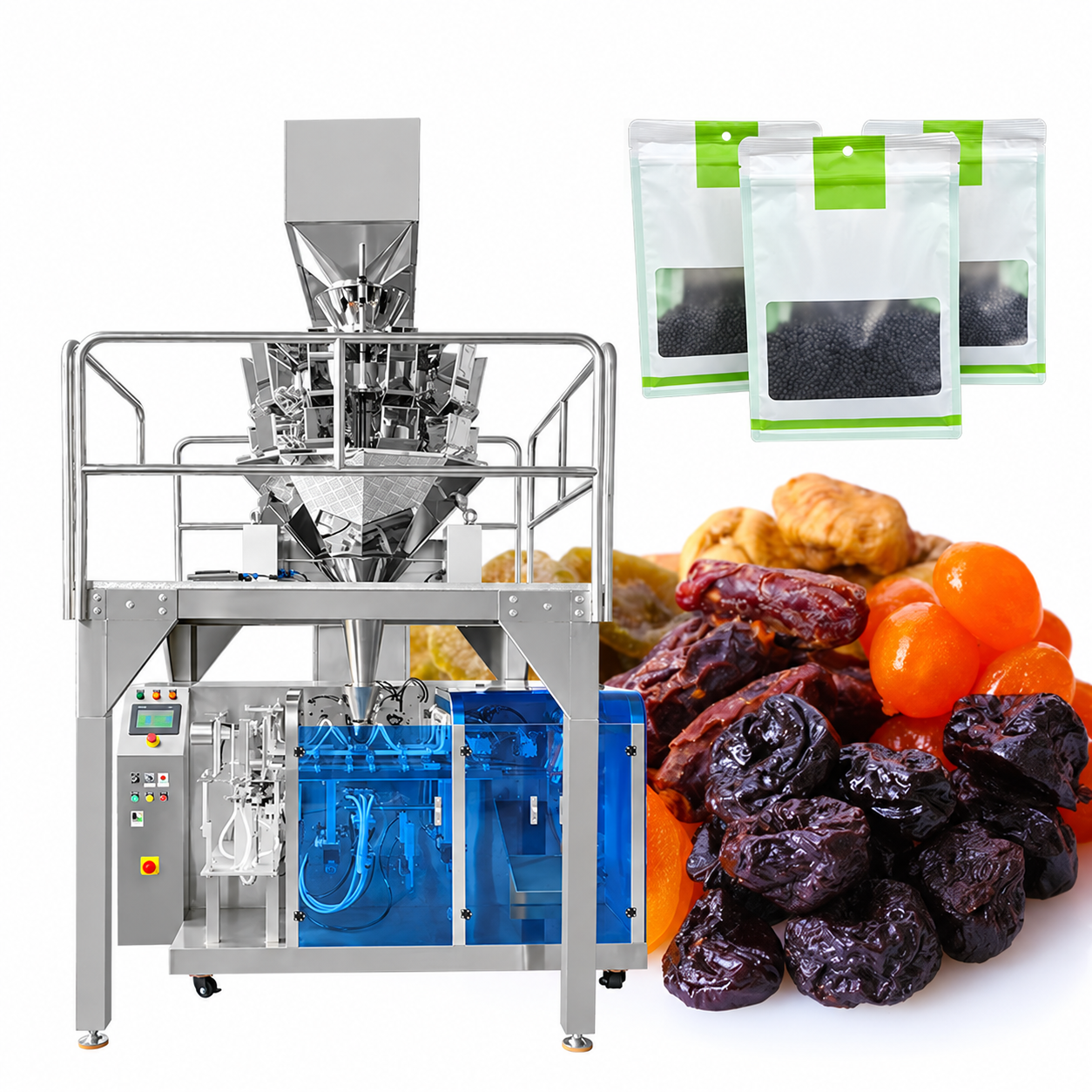
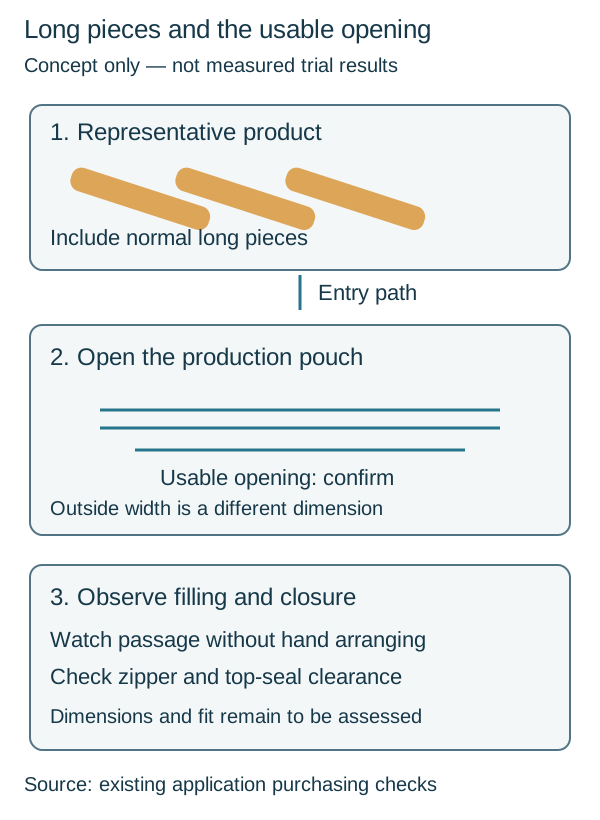
A dried-fruit zipper-pouch line has a visible sequence you can review before a full production trial: take a premade bag, open the bag and its zipper, present the filling opening, receive the fruit and seal the top. For long mango strips or irregular fruit pieces, examine the open pouch and the product together. The nominal outer bag width does not show the opening through which the portion must pass.
Supply several actual pouches and a tray with typical fruit plus the largest pieces normally present. The supplier should demonstrate the proposed pouch presentation and explain the intended entry path. Watch whether the fruit reaches the usable bag space without an operator arranging each piece by hand. The offer should identify any special opening or filling arrangement.
If vacuum VFFS is the alternative under consideration, prepare a separate finished-pack brief for that route. An evacuated bag and a reclosable zipper pouch serve different presentation requirements. Comparing both against the same fruit helps the buyer choose the package deliberately, instead of expecting a change in bag style to fix every product-release issue.
Match the fruit to the desired pouch format
For a zipper pouch, supply actual bags and show the usable opening below the zipper. Long strips and irregular fruit pieces may need a different clearance assessment from small berries. Watch pouch opening, entry of the portion and the top sealing area. Ask which pouch features the proposed configuration supports, and which need further confirmation.
For a film-roll bag, provide the construction, dimensions and the filled presentation you want. If vacuum is considered, explain what texture and appearance should survive packaging. Assess the fruit before and after the proposed process using agreed observations. A vacuum configuration in the catalog does not mean every dried fruit should be packed with the same cycle or compression. Let the final product and bag requirement drive the review, not the availability of a named option.
- Fruit sample with typical moisture and coating
- Temperature and storage condition before packaging
- Release, buildup and cleaning-access checks
Test more than the easiest fruit batch
Build a sample plan that reflects meaningful differences in the range: fruit type, piece geometry, surface treatment and normal handling condition. If only one material is available at first, state which other products remain untested. A dry, loose batch should not quietly stand in for the stickier end of production. Explain how each supplied sample relates to the commercial process.
Observe release, fill quantity, seal cleanliness and finished appearance separately. Keep consecutive samples from identified stages of the run and note any interventions. If a configuration change is made, record it before evaluating the next samples. The result is a clear decision record of what worked with which fruit, what changed and what still needs assessment. It also keeps the supplier from offering the same settings for materials that behave very differently.
Consider the product mix and cleaning access together
A factory moving between dried fruit, nuts and mixed products needs a production plan that recognizes different residues and contact requirements. Give the supplier the intended sequence and the cleaning method your operation defines. Find out which components can be reached, removed or supplied separately for the relevant products. Confirm storage and identification of any change parts as part of the practical handover discussion.
The layout should leave room for product replenishment, packaging-material handling and inspection access. A compact footprint can look attractive and still make daily work difficult. Review the elevated equipment and its connection to the bagger, as well as the central machine. You want a configuration that supports the intended process. Do not infer cleaning suitability or performance from appearance alone.
Ask for a quotation with material limits stated
A useful dried-fruit quotation names the proposed feeder, weigher, contact surfaces and bagging route. It identifies the supplied fruit and package samples and lists additional formats or product conditions that still need testing. If vacuum, gas or desiccant-related functions are requested, each needs a specific scope. None should appear as an assumed benefit of any fruit machine.
Method, sources and applicability
This page reorganizes the published sticky dried fruit packaging application and the linked equipment descriptions into a purchasing brief. The comparison is based on public configuration information, not our test of the alternatives. The observation tables are blank records to complete with the actual product; they contain no measured results. The questions below come from the purchasing issues already discussed on this application page, rather than a new search-question survey.
The three published routes are package choices, not universal release settings. Untested fruit batches and alternative pouch constructions remain open. Vacuum needs its own compression and appearance assessment; a surface description establishes no guarantee of sticking-free production.
Technical Reading
- Multihead VFFS — Published configuration or planning guidance; reviewed 8 October 2026. assess release into a film-formed bag.
- Fruit zipper-pouch configuration — Published configuration or planning guidance; reviewed 8 October 2026. review opening and filling sequence.
- Vacuum VFFS — Published configuration or planning guidance; reviewed 8 October 2026. define the required compressed-pack appearance.
- Sticky-product feeding — Published configuration or planning guidance; reviewed 8 October 2026. record buildup and late release.
- Zipper-pouch opening — Published configuration or planning guidance; reviewed 8 October 2026. distinguish outside width from usable entry.
- Fill weight and bulk density — Published configuration or planning guidance; reviewed 8 October 2026. compare portion volume.
- Configuration review scope — Basis for the proposed-scope and missing-information response; reviewed 8 October 2026.
- Sample testing arrangements — Confirm availability, sample quantity, handling and costs before shipment; reviewed 8 October 2026.
Frequently asked questions
Can one setup pack both raisins and long fruit strips?
Request separate release and clearance observations. Long strips and small berries present different geometry at the discharge and effective zipper opening. Keep the batch condition and proposed parts with each result; a shared dried-fruit category does not confirm a common setup.
Does a named surface finish guarantee no sticking?
No. Record where the finish is used and observe representative fruit through repeated cycles, replenishment and pauses. Moisture, coating and temperature belong with the release record, along with buildup locations and cleaning access.
Is vacuum suitable for every dried-fruit pack?
No general result follows from the catalog option. Specify acceptable compression, texture and finished appearance, then evaluate the actual fruit and film. A zipper pouch and an evacuated bag answer different presentation requirements.
Explore the Equipment
Vertical Form Fill Seal
Dried Fruit Vacuum VFFS Packaging
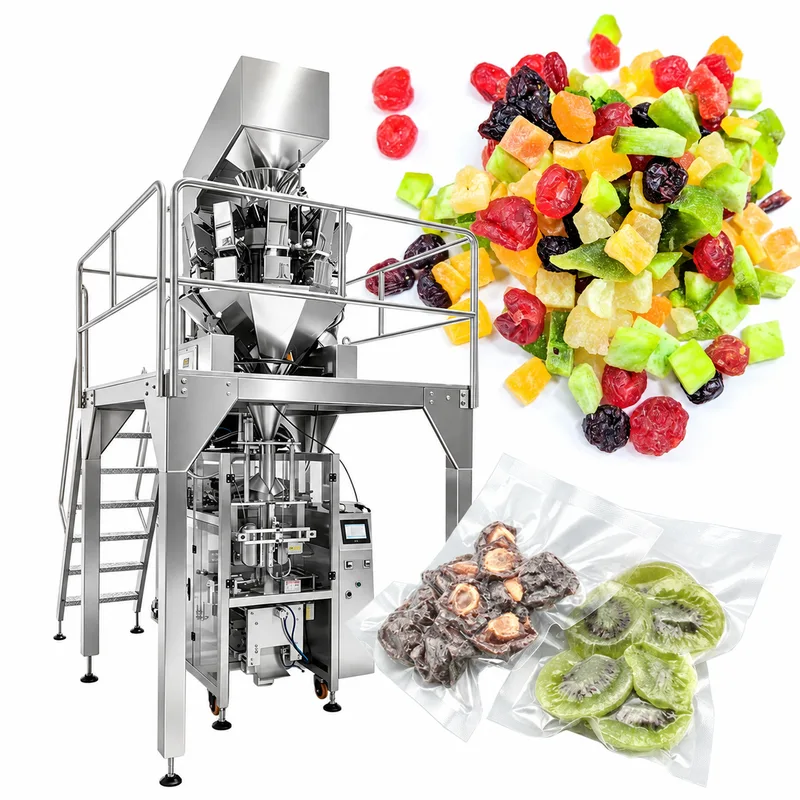
Too deep an extraction can break fragile fruit or press soft pieces into a mass that is hard to portion. Size this vacuum VFFS line from your fruit samples, pack shape, film and gas route.
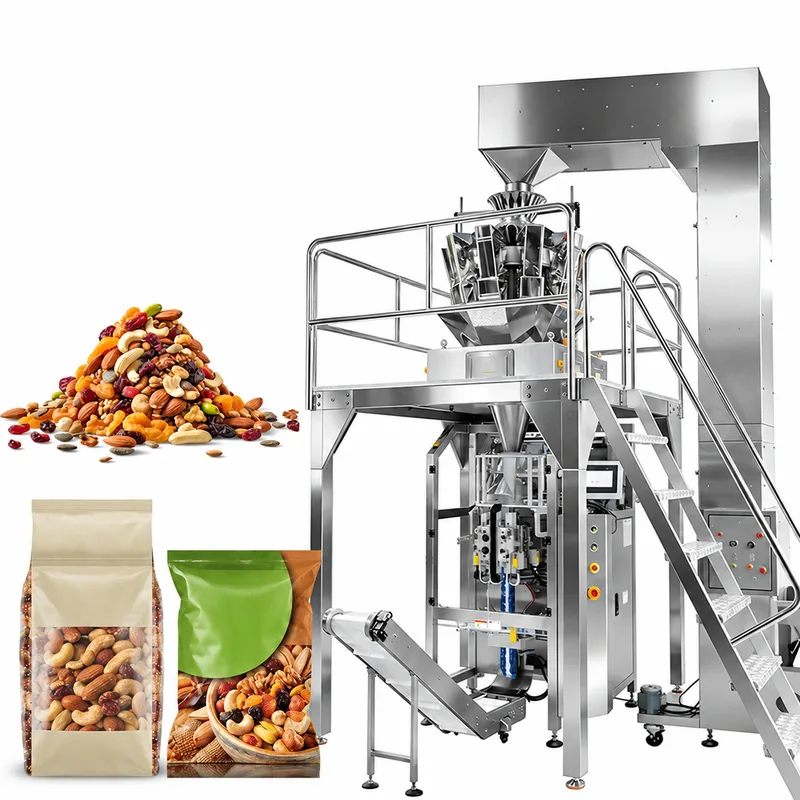
Vertical Form Fill Seal
Nuts & Dried Fruit Multihead VFFS
A nut-mix bag can be on weight and still hold the wrong ratio of ingredients. Configure this multihead VFFS line from your blend, coatings, target weight and bag size.
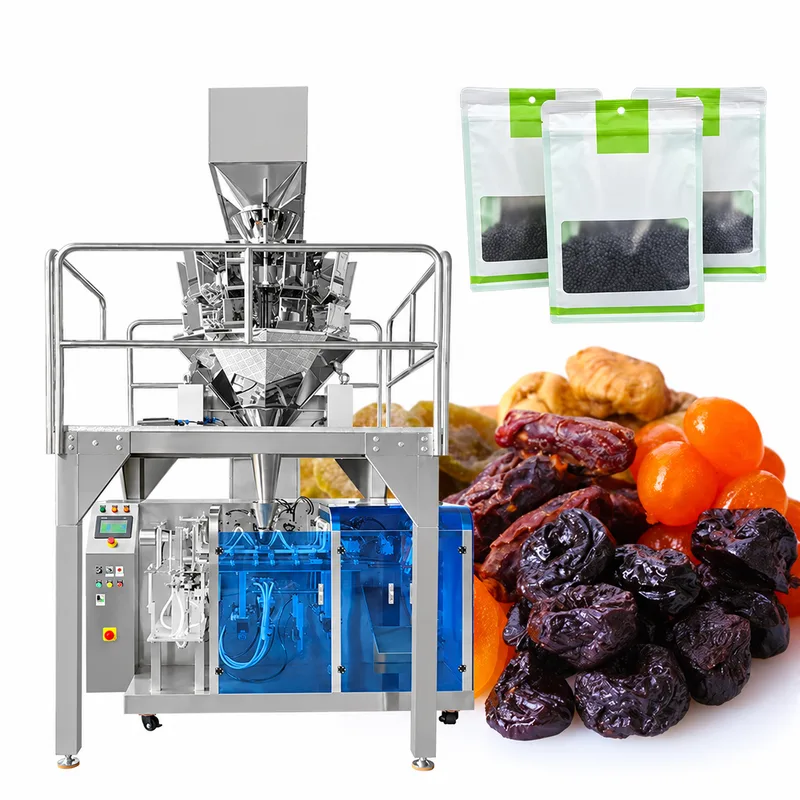
Premade Pouches
Fruit & Nuts Zipper-Pouch Packaging
A zipper pouch can be on weight while the fruit-to-nut ratio drifts. Specify this premade zipper-pouch line from your blend state, largest piece, net opening and fill weight.
What to send us
| Item | Why we need it | Example format |
|---|---|---|
| Fruit moisture and coating | Represent adhesion and geometry | Batch label + typical and long-piece photos |
| Temperature and storage | Relate samples to production condition | Handling note with condition at packaging |
| Release, buildup and access | Identify where retained fruit needs review | Path observation sheet + access photos |
| Bag and compression requirement | Compare zipper, roll-film and vacuum routes | Pouch drawing + labeled finished-pack reference |
We reply within 24 hours.