
Configuration & Project Support
Equipment Configuration Review
Turn a product and bag brief into a clearly defined equipment proposal with visible options and open questions.
On This Page
Collect the decision inputs
Provide the product characteristics, fill quantity, bag format, required output and destination. If you have the factory layout and utilities, include those too. Mark anything undecided, so the review can propose alternatives. A short, accurate brief is worth more than a long wish list that has nothing to do with the product being packed.
Separate base equipment from options
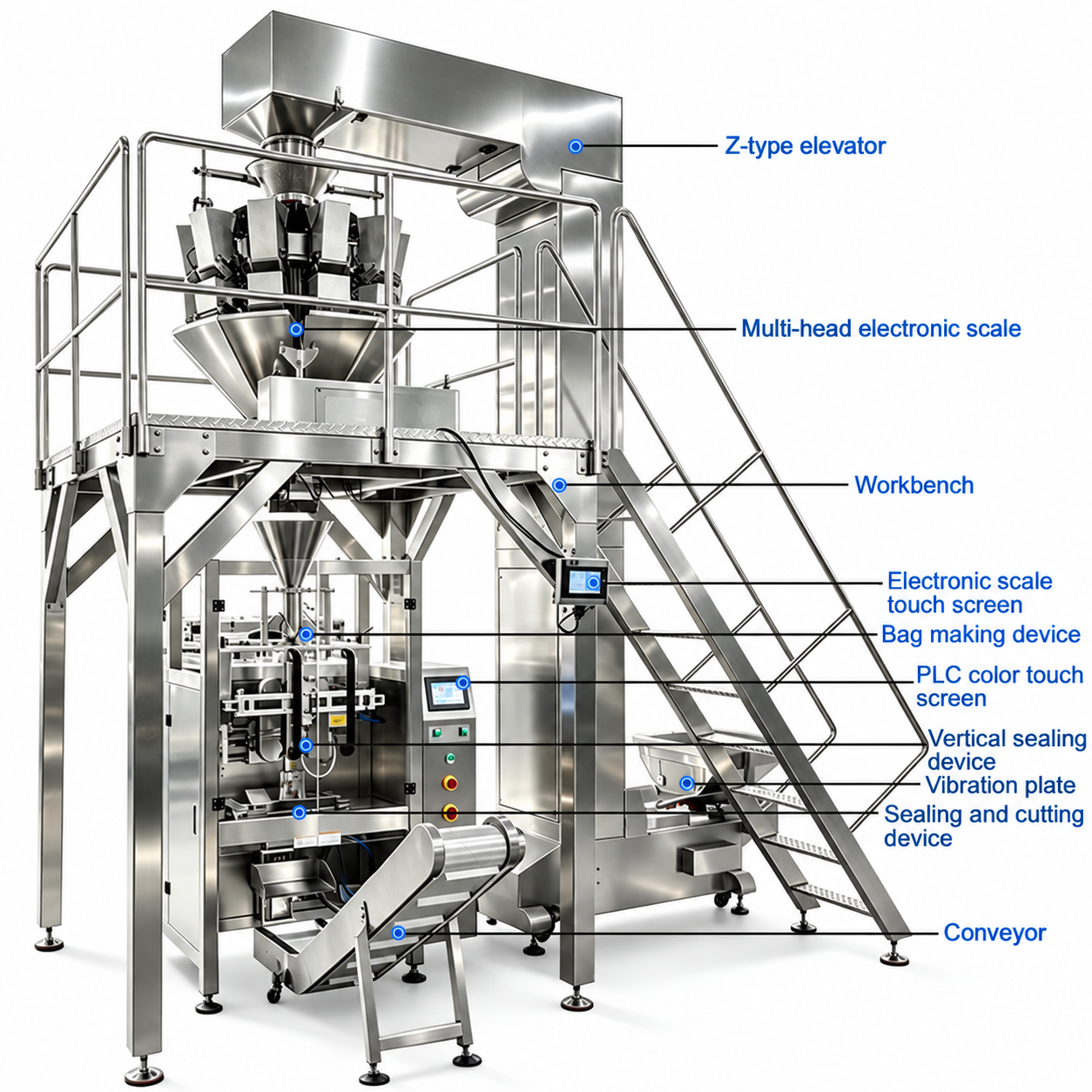
A good proposal names the feeder, dosing equipment, platform, bagger and discharge arrangement. Options such as gas flushing, valve application, coding and inspection go on a separate list. Say which equipment you already own and who is responsible for integration. Sort this out first, because commercial totals only compare fairly when each supplier has priced the same scope.
Close the review with a written scope
Keep the selected product and pack drawings, included parts and remaining trial questions together with the proposal. Confirm how alternative sizes and future changes will be handled. A review moves you toward an agreed specification, but it does not guarantee the outcome. Not every requested feature may be available, and final suitability and commercial terms need project confirmation.
Describe the production problem in terms of inputs and outputs
A configuration review begins with what arrives at the packaging process and what has to leave it. For the input, describe the actual product condition, how it is supplied and how much it normally varies. For the output, describe the intended package, the dose and the accepted production requirement. Keep the two sides connected. A bagger may look right for the pack dimensions while the product still needs a different feeder or dosing arrangement to reach that bag consistently.
Bring a small priority SKU table instead of an undifferentiated wish list. Mark the initial products that must work and the future products that only need a preliminary discussion, so the reviewer can propose a defined starting scope and flag the questions that need samples. The company catalog includes weighing, powder-stick and premade-pouch examples, but those categories are only starting points for a review. A broad food category does not mean every product in it can use the same equipment unchanged.
Connect the dosing choice to the material description
Say whether the product is a free-flowing solid, a fine powder, a sticky piece or a liquid, and note any handling characteristics that matter. Add photographs and a description of how it behaves in the current process. If the material clumps, separates during conveying or leaves residue, say so early. Those facts help more than a long marketing description of the finished consumer product.
The response should explain the proposed dosing approach and the evidence still missing. A weighing route for nuts raises different questions than an auger-based powder configuration or a liquid-filling arrangement, so a product name shared with a catalog example is a poor basis for choosing. The review should tie the recommended equipment to your material condition, portion and package. It should also name any trial needed before the recommendation becomes an agreed technical commitment.
Decide how the package will be made and handled
State whether the project starts with roll film or purchased premade pouches. Attach a drawing or labelled sample of the intended finished pack, including closures and other features. A bag's outside dimensions do not fully describe the filling space available, or how the machine has to hold the bag. The proposal should identify the forming or pouch-handling components included for each initial format, and what information is still needed from the packaging converter.
Optional functions need a clear purpose and boundary. If you want gas flushing, a valve-related operation, coding or inspection, explain the product or commercial requirement behind it, then confirm whether the function is integrated, supplied separately or left out of the offered scope. An option shown on another configuration may not exist on the machine you selected. Likewise, a preservation-related option does not by itself support a product shelf-life claim.
Review the connections between the supplied machines
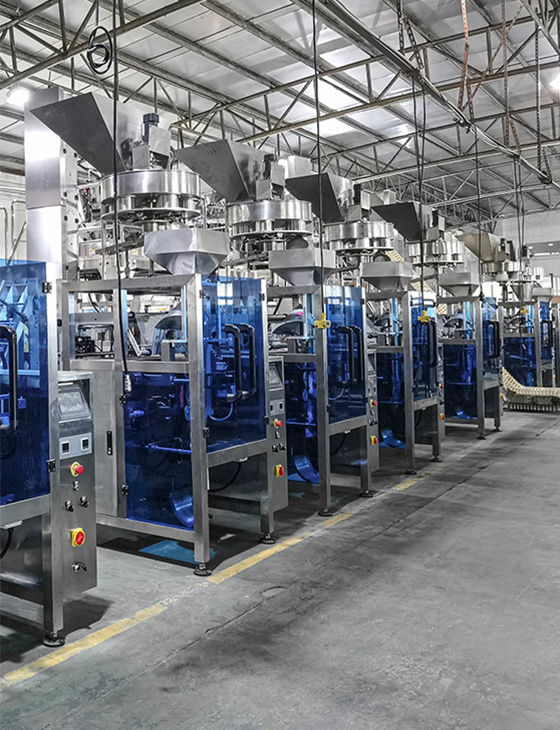
Draw the proposed route from product supply through filling and sealing to the finished-pack destination. Mark which equipment you already own and which is being requested. Every mechanical transfer and control interface needs a named owner. A quotation can list several suitable components and still say nothing about how they will run together. If different suppliers provide upstream or downstream equipment, write down who coordinates the handover between them.
Put the real site constraints on the table early. Available height, access for replenishment, discharge position and utility connection locations can all change the practical configuration. A compact bagger footprint says nothing about the space taken by a feed elevator, platform or operator work area. Preliminary drawings are useful for discussion. They are not approved installation drawings. Keep the configuration tied to the current layout revision, so a later option does not quietly invalidate the space assumptions.
Compare alternatives against the same requirements
When more than one configuration is proposed, set them beside the same numbered requirement list. Each alternative should state its included equipment, exclusions, assumptions and trial conditions. Compare the operating tasks as well as the equipment scope. Replenishment, product clearing, packaging changes and routine inspection all affect how the factory will use the line. A lower initial equipment total may simply mean the work is distributed differently, not that you found an equivalent solution at a lower price.
Treat uncertain future capability separately from the initial purchase decision. For each later format, find out what would need to change and what evidence would be required. Don't pay for an undefined promise of flexibility. A useful answer describes a concrete path, such as another approved format component or a separate product trial, and leaves commercial availability and suitability subject to confirmation. Purchasing then sees both the initial boundary and what a later change would involve.
Close the review with a controlled configuration record
The discussion should end with a written configuration description. It names the priority products, package specifications, included components and unresolved items. Attach the relevant drawings and the revisions of the source material. Mark each conclusion as confirmed, proposed or awaiting a trial, so readers can tell evidence from an early recommendation. This is not an independent certification and does not replace the agreed acceptance process.
Every material uncertainty needs an owner and a next action. The buyer may need to obtain a pouch sample, facilities may need to verify a utility point, and the supplier may need to clarify an option. Keep them with the quotation. Don't scatter them across messages. When the scope changes, issue an updated record. Production, purchasing and the equipment reviewer then share one basis for the next decision, and a preliminary sales discussion never turns into a guarantee.
- Product, quantity, format and output brief
- Included equipment and optional functions
- Existing machines and interface responsibilities
Prepare the next technical exchange
Send the priority SKU table, current pack samples and the latest site sketch together, with product names kept consistent across the files. Highlight the few requirements that actually decide the matter. The reviewer gets a practical agenda, and is more likely to return a specific configuration response than another broad catalog list.
Explore the Equipment
Vertical Form Fill Seal
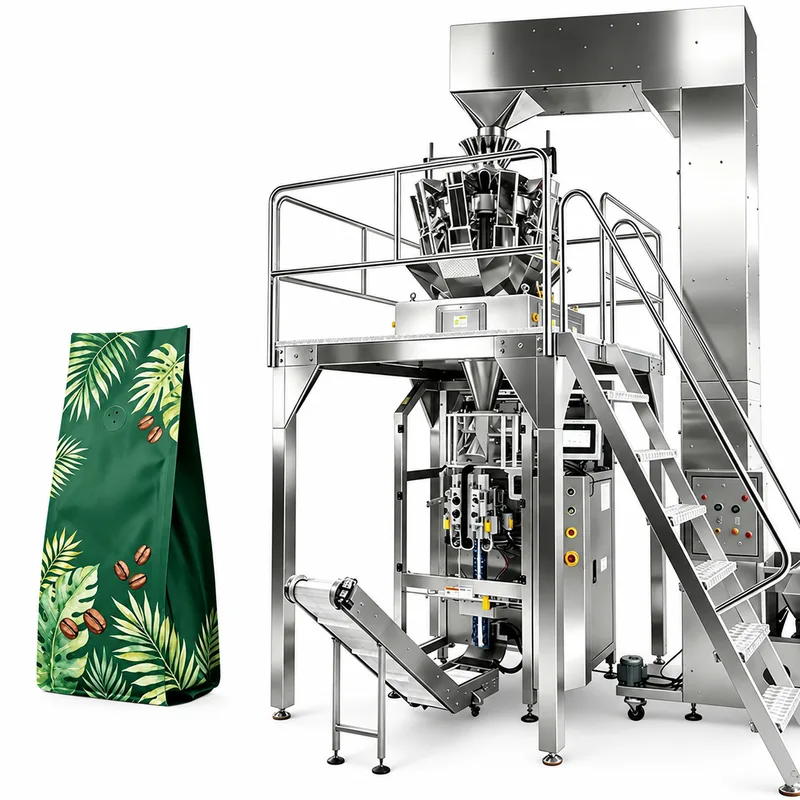
Coffee Bean Valve-Pouch Packaging
A misplaced or poorly attached degassing valve can spoil a run of coffee bags. Specify this weigher and VFFS valve line from your valve drawing, film, roast and weight.
Sauce Sachets
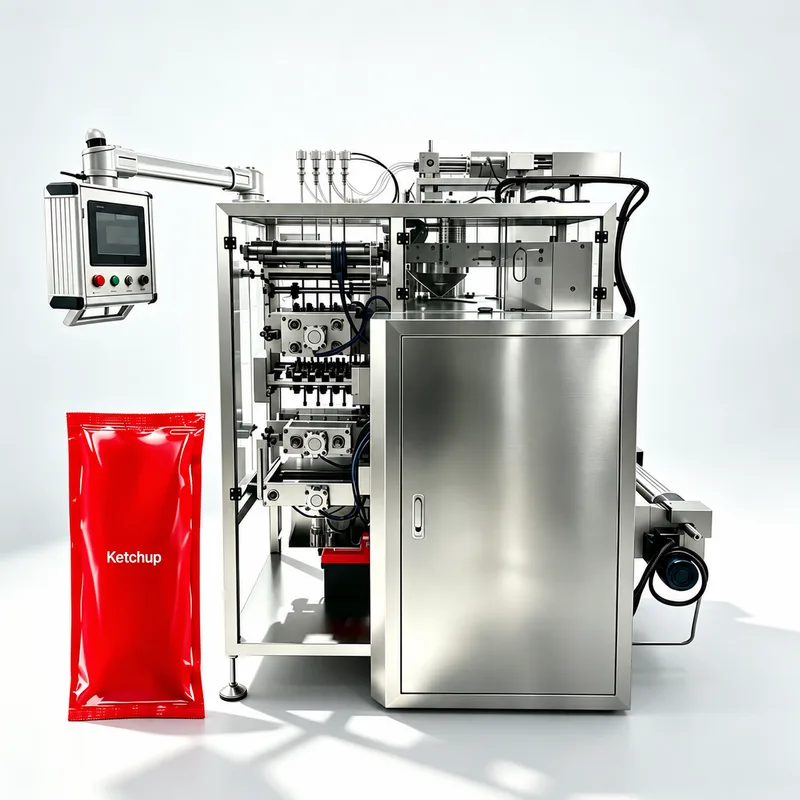
Sauce Four-Side-Seal Sachet Machine
Sauce strings or drips can contaminate the seal area, leading to leaks and rejected sachets. Specify this piston-dosing four-side-seal machine from your sauce, portion, sachet drawing and film.
What to send us
| Item | Why we need it | Example format |
|---|---|---|
| Product, quantity, format and output brief | Identify the evidence or open question for this review point. | Labeled brief entry + photo/drawing/record reference, or TBD. |
| Included equipment and optional functions | Identify the evidence or open question for this review point. | Labeled brief entry + photo/drawing/record reference, or TBD. |
| Existing machines and interface responsibilities | Identify the evidence or open question for this review point. | Labeled brief entry + photo/drawing/record reference, or TBD. |
| Drawings, unresolved questions and agreed next step | Identify the evidence or open question for this review point. | Labeled brief entry + photo/drawing/record reference, or TBD. |
We reply within 24 hours.