
Compare Packaging Machine Quotations
Normalize equipment, options and operating conditions so differences between packaging quotations are visible.
On This Page
Build a scope comparison
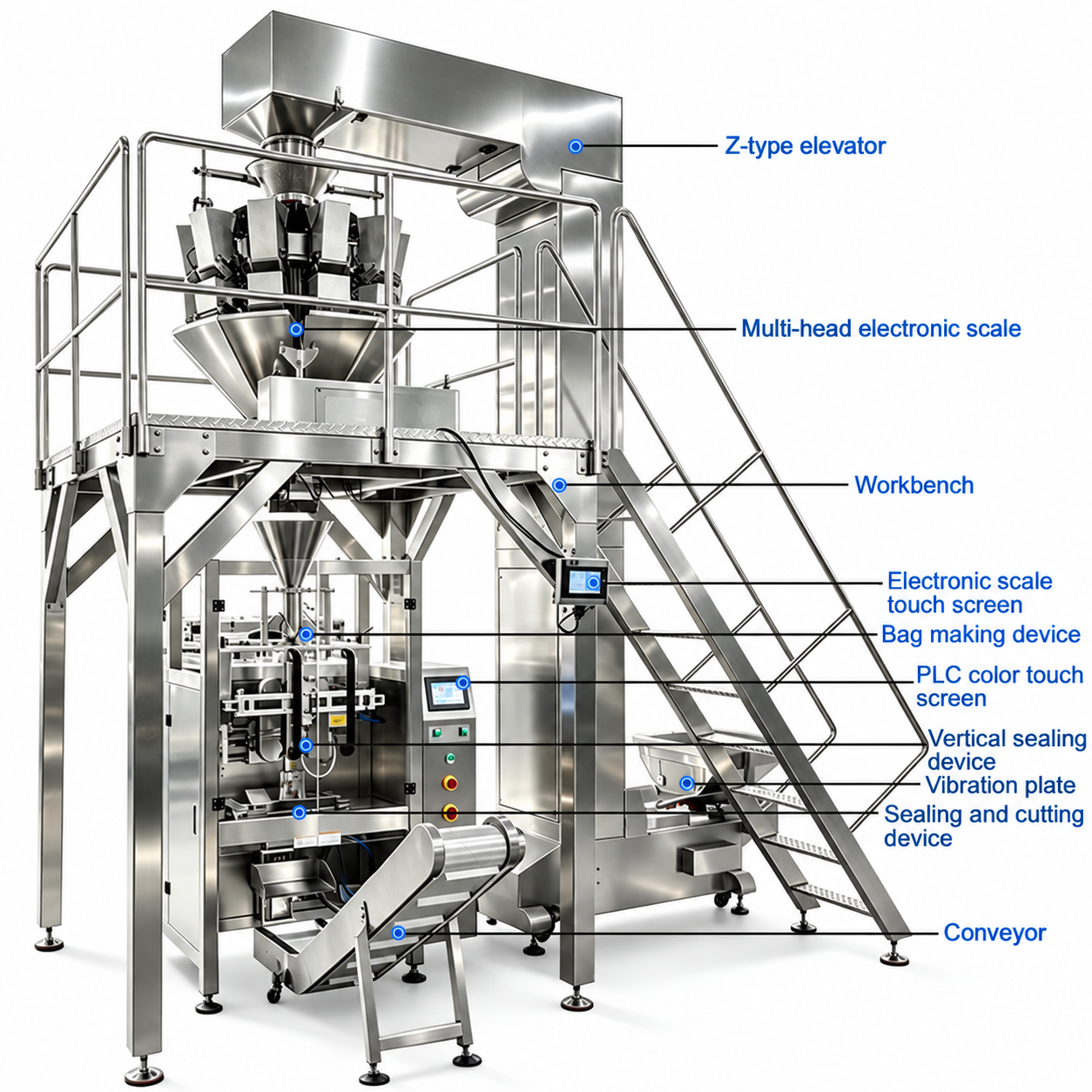
Lay each proposal beside the same function list. Feeding, dosing, bag forming or opening, sealing and discharge equipment each get their own line. Mark every item as included, optional or customer-supplied. Where a package name hides what is actually being delivered, ask the supplier to spell it out.
Compare performance under the same conditions
For each stated output, note the product, fill quantity, bag dimensions and options behind it. Work out whether the figure describes the bagger alone or acceptable finished bags from the whole proposed line. Those are different numbers. A maximum quoted under unspecified conditions can't be compared directly with a product-specific trial result.
Resolve commercial differences
Look at format parts, documentation, startup arrangements and delivery responsibilities next to the total. Write down the assumptions that remain open and have suppliers confirm them in revised proposals. You want a clear decision record. A score built only on the lowest price or the highest isolated specification won't give you one.
Put all quotations on the same scope sheet
Begin a quotation comparison from one approved brief with a common revision number. Each requirement gets a row and each supplier a column. Suppliers should list their exclusions and assumptions in the same sheet. A missing conveyor, coding system or format tool then shows up before anyone compares final totals. If an answer is open, mark it open. Silence is not confirmation.
Name the configuration offered for each product and bag. A single maximum speed in a brochure says little about performance across a range of powders, snacks and premade pouches. Get the test conditions behind each proposed operating range. Where a supplier has not tested your material, separate an estimate from a demonstrated result, and agree what evidence you need before the commitment is final.
Compare responsibilities at the interfaces
Work out who owns the connection between the dosing equipment and the bagger, the signal to downstream equipment and the handling of rejects. If separate vendors supply the pieces, someone must coordinate the full line trial. Interface uncertainty can hurt more than a gap in headline capacity. The comparison should include the drawings, control information and installation access each party has to provide.
Review commercial terms separately. Record delivery assumptions, payment milestones, included documentation and the proposed support arrangements, and don't infer promises that are missing. Spare parts, travel and training can have different boundaries from one quotation to the next. What you compare is the scope and responsibility each supplier accepts. Matching marketing words across documents prove nothing.
Use evidence to resolve close decisions
Before a demonstration, write a shortlist of decisive questions. Does the difficult SKU feed reliably? Does the intended film track after a reel change? Can the operator finish a format change with the offered tooling? Get results against those questions and keep the trial record with the quotation. A polished video of an unspecified product tells you much less than a modest, traceable run of the right materials.
When two proposals stay close, find the assumptions that most affect the decision. One supplier may fit frequent changes better, another a narrow group of long-running products. Document why the chosen scope fits the production plan and what is still conditional. Keep the rejected alternatives and their differences in the project file. That way later changes can be judged without redoing the whole purchasing exercise, and nobody forgets why an attractive option was dropped.
Distinguish an offered feature from a demonstrated capability
A quotation may list gas flushing, a zipper option or a broad product category without showing that the exact combination has been tested. Give the feature and its evidence separate columns. What has the supplier demonstrated? What is an engineering proposal? What depends on your sample? An untested proposal isn't invalid. Its remaining work just becomes visible.
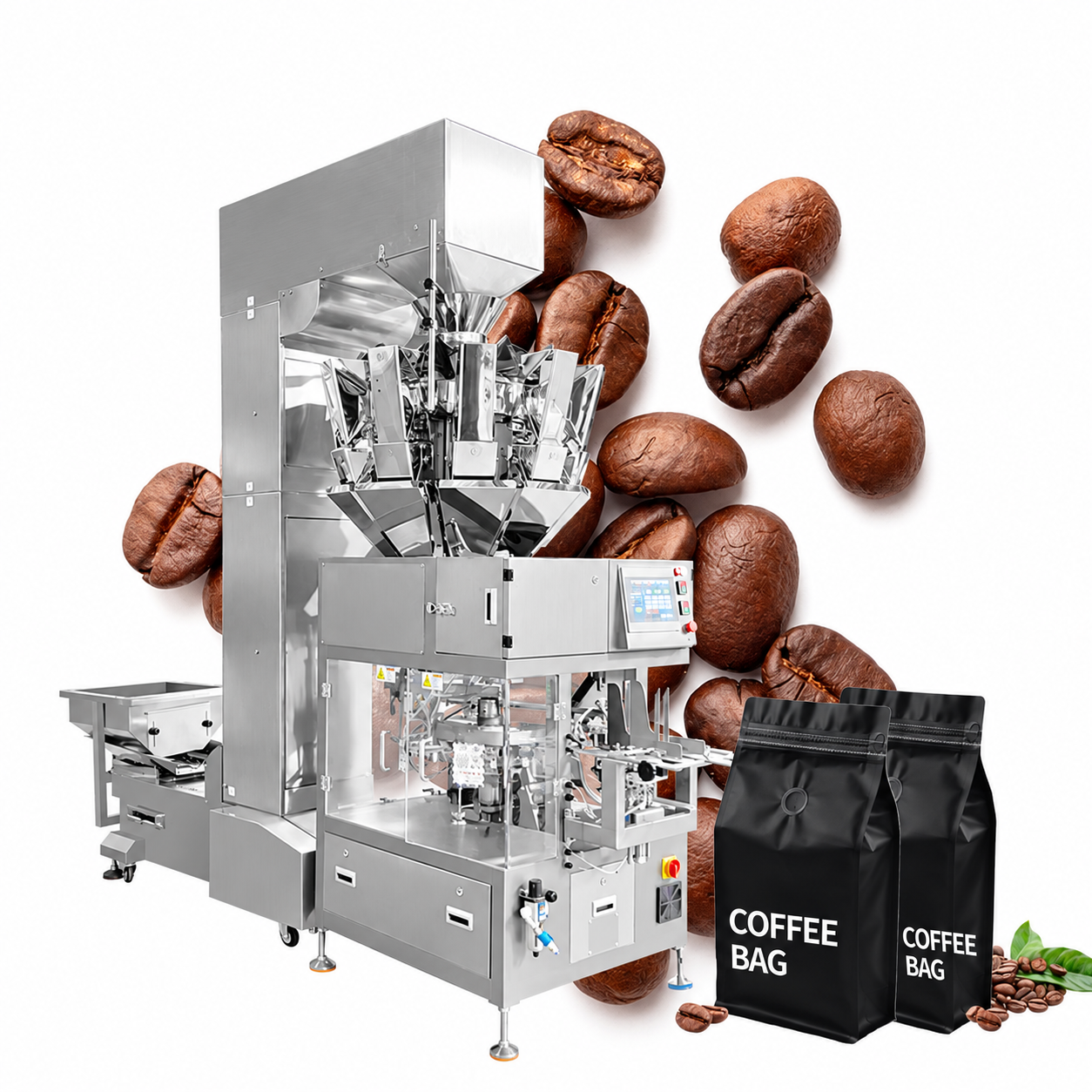
Check photographs and videos against the quoted configuration. Does the dosing system, bag and set of options in the video match the offer? A video can explain a process, but it shouldn't quietly stand in for a different machine or material than the one you are buying. If a demonstration uses a related configuration, get the differences explained in writing.
Treat utilities and dimensions alike. A general brochure value may leave out a platform, feed conveyor or option the application needs. Get the complete arrangement and connection schedule, and keep each drawing revision beside the quotation. Otherwise a technically attractive proposal can end up judged on an outdated footprint or incomplete installation requirements.
Build a weighted decision sheet without false precision
If the team scores proposals, agree the criteria and their weight before seeing final commercial totals. Practical requirements like product suitability, pack acceptance and integration scope deserve a clear place. A low score on a mandatory requirement can't always be offset by a high score for appearance or price. Decide which conditions make an offer unacceptable whatever its total.
Scores help organise the discussion, but they are not measurements. Put a short evidence note beside each rating. If nobody can explain why one proposal scored better, the number may be hiding uncertainty, and that should become a supplier question or a trial item. A decision sheet should point to evidence. Giving unsupported impressions a mathematical disguise doesn't help.
Keep commercial and technical revisions in step. If a supplier cuts the price by changing scope, update the comparison before you celebrate. The removed component or service may still have to be bought elsewhere. Likewise, an optional feature can be dropped legitimately when the team confirms it isn't needed for an initial requirement. The revised comparison should describe the project that would actually be delivered.
Record the final decision and its conditions
Before approval, list why you picked the preferred offer and the conditions still to be met. Attach the final brief, quotation, drawings and relevant trial record. Give open items an owner and a date. A decision made across several departments is easier to carry out when everyone sees the same accepted scope, instead of working from different versions of the supplier conversation.
After the order, use that record to judge changes. A substitute component, a new bag or a revised schedule should be checked against the reason you chose the configuration. Without that, the project can drift into a different scope while still carrying the assumptions of the original comparison. The goal is a purchasing decision you can still understand at acceptance and installation.
- Matched list of required equipment
- Shared product and pack test conditions
- Included options, tooling and support
Keep clarification answers with the offer
Number the clarification questions and attach each supplier response to the relevant scope item. If an answer changes the offer, request a revised quotation or technical schedule. A statement made on a call is hard to use later unless it enters the controlled project record. That matters most for optional tooling and integration work, where people may otherwise remember different boundaries. Compare suppliers on the final written scope that is available for approval.
Technical Reading
- Packaging World: Vertical Form/Fill/Seal 101 — An independent packaging consultant explains the process and selection considerations.
Explore the Equipment
Vertical Form Fill Seal
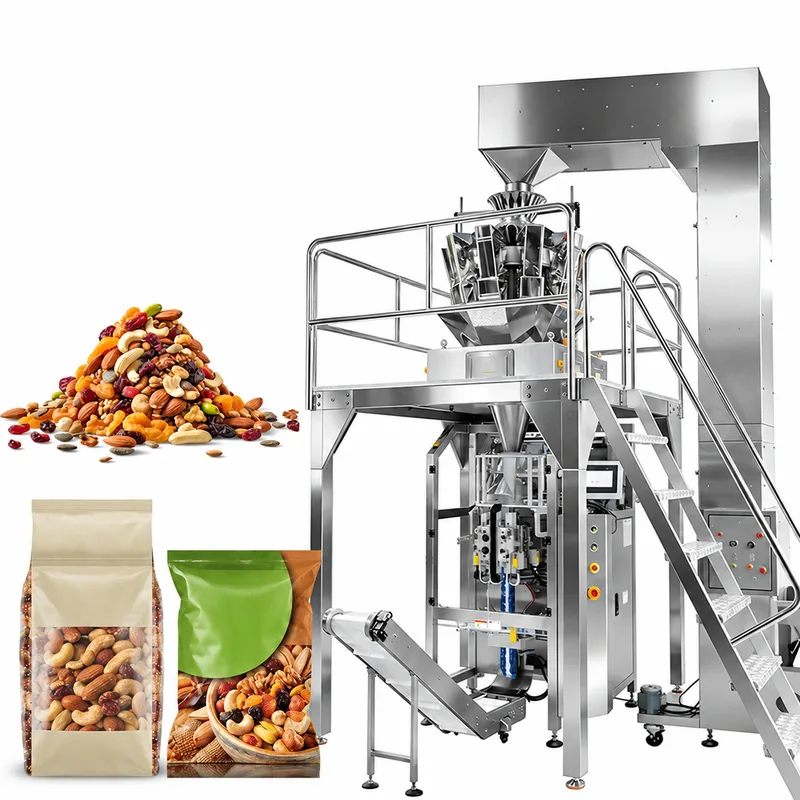
Nuts & Dried Fruit Multihead VFFS
A nut-mix bag can be on weight and still hold the wrong ratio of ingredients. Configure this multihead VFFS line from your blend, coatings, target weight and bag size.
Premade Pouches
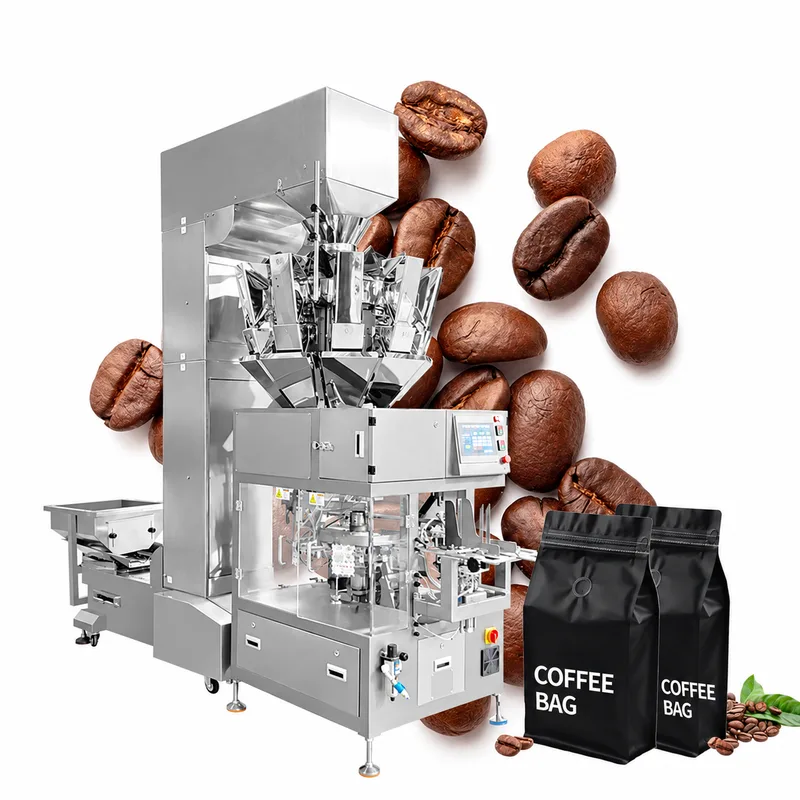
Coffee Bean Doypack Packaging
A valve or zipper too close to the pouch mouth catches beans and spoils the seal. Size this premade doypack line for coffee from your actual pouch, bean condition and fill weights.
What to send us
| Item | Why we need it | Example format |
|---|---|---|
| Matched list of required equipment | Identify the evidence or open question for this review point. | Labeled brief entry + photo/drawing/record reference, or TBD. |
| Shared product and pack test conditions | Identify the evidence or open question for this review point. | Labeled brief entry + photo/drawing/record reference, or TBD. |
| Included options, tooling and support | Identify the evidence or open question for this review point. | Labeled brief entry + photo/drawing/record reference, or TBD. |
| Open questions confirmed in writing | Identify the evidence or open question for this review point. | Labeled brief entry + photo/drawing/record reference, or TBD. |
We reply within 24 hours.