
Packaging Machines / Vertical Form Fill Seal
Nuts & Dried Fruit Multihead VFFS
A nut-mix bag can be on weight and still hold the wrong ratio of ingredients. Configure this multihead VFFS line from your blend, coatings, target weight and bag size.
- Published speed: 30–70 bags/min, subject to bag volume, target weight and material flow
- Published bag range: length 80–350 mm, width 60–240 mm (customizable formers)
- Pillow or gusseted bags from roll film
- Mixes: total weight by default; ingredient ratio needs its own feeding scope
We reply within 24 hours.
Published Configuration Data
| Packaging Speed | 30 - 70 bags/min (Subject to bag volume, target weight, and material flow) |
|---|---|
| Bag Size Support | Length: 80-350mm | Width: 60-240mm (Customizable Formers) |
These values describe the listed configuration. Output depends on the product, fill quantity, bag and options. Confirm the final specification and trial conditions in your quotation.
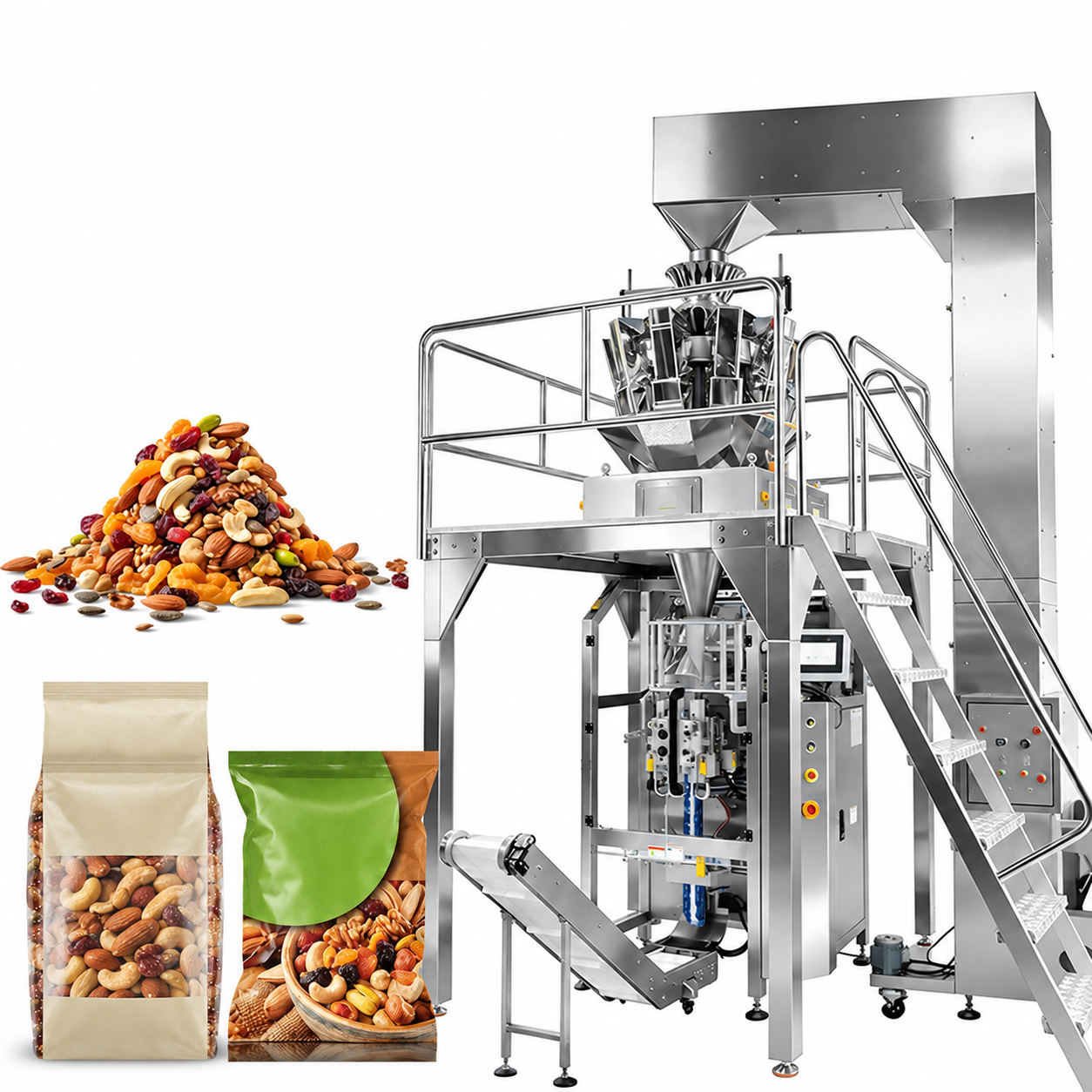
Configuration & Selection
Decide first whether you buy total weight or a controlled ingredient ratio. A multihead weigher doses a premixed blend toward a target total weight, but ingredients can separate on the way, so a correct weight can still carry too few walnuts or too many raisins. For mixed products, provide the ingredient ratio as well as the total bag weight and validate distribution with the actual material. Send each ingredient's ratio and coating, target bag weights, bag size and film specification through the enquiry form or WhatsApp; physical samples are arranged separately.
On This Page
Configuring a line for nuts and dried-fruit blends
This machine configuration combines combination weighing with vertical bag forming for nuts, raisins, dried berries and related snack mixes. Product spreads across several weighing hoppers, selected portions discharge together, and the bagger wraps the dose in film from a roll. The source configuration includes product-specific feeding surfaces and pillow or gusseted bag options. Choose them to fit the material's behavior and the package you want. Not every nut or fruit mix is a free-flowing product.
Whole almonds, walnut pieces and oil-coated raisins make different demands along the same route. Nuts vary in piece size and break easily at exposed edges, while fruit can stick to contact surfaces. A useful specification lists the individual ingredients and the blends that will be packed. Describe the normal oil, salt or sugar coating, the target weight and the retail presentation you need. Do that before comparing layouts or catalog speed ranges.
Takeaway: List every ingredient and blend, with its coating, before comparing layouts or speeds.
The relationship between feeding and combination weighing
The weigher needs a workable distribution of portions across its hoppers. Product first reaches the central feed area, spreads to individual channels and drops into weighing hoppers. If the bulk supply arrives in uneven bursts, some channels overfill while others wait for material. Watch the feed pattern during a realistic refill. Pay attention to the end of a container, where small pieces and loose coatings may be more concentrated.
Once a combination is chosen, the full portion must leave the hoppers and travel down the discharge chute. Sticky dried fruit can stay behind. Elongated nut pieces can lodge at a restricted opening. Look at these areas during the trial rather than trusting the recorded scale result alone, and compare the weight of finished bags with the discharge sequence you observed. The right configuration links feeder, hopper geometry and bagger timing, so the material measured for one bag is the material that lands in that bag.
Takeaway: Compare finished bag weights with the discharge you observed, especially at the end of a container.
Total bag weight and ingredient ratio are different targets
For trail mix or a fruit-and-nut assortment, specify the acceptable composition as well as the total mass. A premixed bulk supply may separate as ingredients move through containers, an elevator and the weighing system. Large walnuts, dense raisins and small seeds can follow different paths. A bag can hit its weight and still hold the wrong proportion of one ingredient. Settle the mix before the feeding arrangement is chosen.
Does the proposal weigh an existing blend, or does it include equipment to control separate components? If separate ingredient feeding is needed, get a clear description of that extra scope and how it will be verified. In the sample run, open enough bags to check composition with the procedure you have agreed. Note what happened near the beginning and end of the product supply. A single attractive sample can hide segregation over time. Base the decision on your actual blend requirement, not on what the word "multihead" suggests.
Common mistake: Buying a weigher for a trail mix on total weight alone, then finding the ratio drifts during the run.
Takeaway: Settle total-weight or ratio control before the feeding arrangement is chosen.
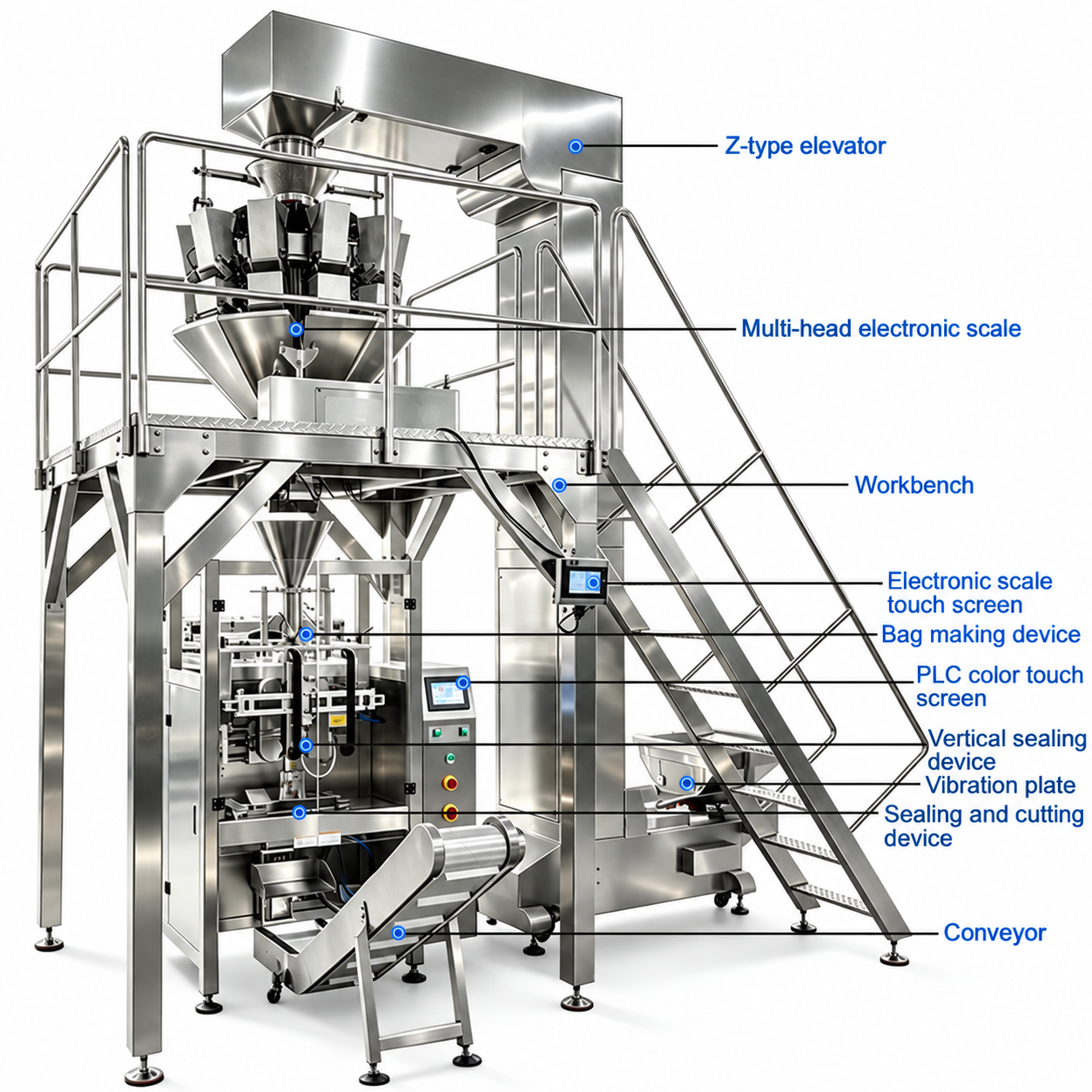
Contact surfaces for oil, salt and sticky fruit
The catalog discusses feeding surfaces selected for nuts and dried fruit, including dimpled arrangements for more adhesive material. The supplier should explain which surfaces are included for your product and why they were chosen. Oil-coated nuts may leave a film, and sugared fruit may build deposits that get worse during a run. Test the actual coating and normal storage condition. This matters most when ingredients are packed soon after processing or after a longer hold.
Check feeder edges, hopper gates and the inside of the discharge chute for accumulation. Judge a contact surface on release and on cleaning. Good initial flow does not remove retained residue. Confirm the approved cleaning method for the supplied parts and whether routine removal is practical in the proposed layout. Where several allergen profiles share the machine, your factory's own changeover controls set the verification required. A description of the machine's material cannot show that those controls are met.
Takeaway: Judge a contact surface on release and on cleaning with your real coatings.
Choosing pillow or gusseted retail bags
The Published Configuration Data table on this page lists bag lengths of 80 to 350 mm and widths of 60 to 240 mm with customized formers, and a packaging speed of 30 to 70 bags per minute depending on bag volume, target weight and material flow. Treat these as discussion ranges for your formats. The selected dose needs enough internal space to settle below the final sealing area, and different nut shapes take up different volumes at the same weight.
A pillow bag may suit a simple retail format, while gussets change the filled shape and the carton arrangement. Ask for a drawing showing the selected seams, gusset depth and usable product area. Any additional structure or punch feature should be reviewed as an explicit part of the supplied configuration. Submit the film construction and printed layout for evaluation. Then examine filled samples for folded corners, uneven distribution and stress from sharp pieces. Do this after normal downstream handling too, not only straight off the machine.
Takeaway: Confirm the bag size with the actual mix at the target weight, including room for the largest piece and the seal.
Sealing around loose particles and natural oils
Small nut fragments, salt and fruit residue can reach the closing area along with the main portion. Work out when the last particles pass through the filling tube and whether they are still above the fill when the jaws start to close. A repeated contamination pattern may come from timing or the product path. Raising the seal temperature alone may leave the underlying cause in place and can affect the film in other ways.
Assess the package using the actual laminate, the intended seams and the areas where folds meet. Apply the sealing and package-integrity checks your quality team selects. If you request nitrogen flushing, identify the gas equipment and process in the quotation and agree any atmosphere measurements required. A gas connection proves nothing about storage, and neither does a bright-looking nut sample. Preservation depends on the whole system of product, film, seal and storage, so it should be evaluated through an appropriate testing plan.
Takeaway: Fix contamination at its timing or product-path cause before changing seal settings.
- State per-ingredient ratio requirements separately from total bag weight.
- Test normal coatings and inspect retained fruit after repeated hopper discharges.
- Check film and seam condition around sharp nut fragments and loose seasoning.
Operating different pack sizes on the same line
A small single-serve pouch and a large family bag can need different forming parts, film widths and dosing settings. List the pack sizes that will run most often and their expected batch lengths. The proposal should say which adjustments are made through the recipe and which need physical change parts. Operators should be able to change those parts and inspect the product path without taking apart unrelated equipment.
At each changeover, confirm the product, former, film and target weight before collecting first-run samples. Switching between whole nuts and a sticky mix adds cleaning and line-clearance tasks, so build them into the sequence. If the new product is a blend, inspect the initial bags for composition as well as net weight. Compare changeovers by counting startup material, verification work and cleaning access. A single quoted changeover time is not enough if it leaves out the steps your factory needs before it releases production.
Takeaway: Count startup material, cleaning and verification when comparing changeovers.
Evidence to request before final configuration
Send representative nuts, fruit and blends with their normal coatings and piece-size variation. Supply the target weights, bag drawings, film specifications and any ratio requirements. Mark the most difficult product, such as a mix with a high share of sticky fruit or a nut with fragile edges. That product should drive the feeder surfaces, hopper openings and final chute, so have the supplier explain how. Selecting those parts from the easiest sample is the wrong way round.
The demonstration should document finished weight, full hopper emptying, blend composition where required, product condition and seal observations. Keep labeled packs for review after handling and settling. Get an itemized equipment scope covering feeding, weighing, support structure, bag forming, optional gas equipment and discharge, and check utility and maintenance access against the proposed factory position. A detailed trial links the catalog's broad nuts-and-fruit capability to the mixture and retail formats your business actually intends to produce.
Blend record for the trial
If composition matters, record it next to weight for bags sampled at each supply stage, using the sampling plan you agree. The headings follow the ratio checks above; this page does not set a tolerance.
Ingredient ratio: the specified share of each component by weight or count.
Actual bag weight: net weight of each opened bag.
Component observation: the counted or weighed share of each ingredient in that bag, using the method you agreed.
Supply stage: whether the bag came from the start, middle or end of a container, where segregation tends to show.
Takeaway: If the component shares drift late in a container, check the supply for segregation first, then weigh that against bag weights and retained product.
When this does not apply
The published speed and bag ranges are configuration ranges, not results for every blend. A multihead weigher on a premixed supply does not control ingredient ratio by itself. Nitrogen flushing and separate component feeding are additional scope only when quoted. Allergen changeover verification follows your factory controls, not the machine description.
Takeaway: Write ratio control, gas and allergen changeover into the scope if you need them.
Frequently asked questions
Can weighing guarantee the mix ratio in each bag?
Weighing a premixed blend controls total weight only. Ingredients can separate in containers, the elevator and the weigher. If ratio is a requirement, ask whether the proposal includes separate component feeding and verify composition in opened bags.
Can sticky dried fruit and brittle nuts run on the same line?
Only once confirmed with your actual nuts and fruit: the contact surfaces and openings have to suit both. Sticky fruit can stay behind in hoppers while elongated nut pieces lodge at restricted openings; choose parts from the most difficult product and test both in the trial.
Is nitrogen flushing included in this configuration?
Not by default. If you request it, the quotation should identify the gas equipment and process and the atmosphere measurements to be recorded. A gas connection does not prove storage life.
Bag Format Selection
Review the pack requirements for your enquiry. Compatibility is confirmed for the selected equipment and sample.
Planning Guides for This Configuration
These pages cover the system type, trial preparation and project checks that apply to this configuration.
- Vertical Form Fill Seal (VFFS) Machines
- Multihead Weigher VFFS Systems
- VFFS or Premade Pouches: Where to Start
- Flow Wrap or VFFS? Decide by How the Product Enters the Pack
- Prepare a Packaging Machine Brief
- What Determines a VFFS Machine Quote?
- Buying Your First Packaging Machine
- Compare Packaging Machine Quotations
- Multihead Weighing or Auger Dosing?
- Fill Weight and Bulk Density
Request a Packaging Configuration
We reply within 24 hours. Tell us what you need to pack. Leave quantity and output blank if you are still deciding. When you continue, WhatsApp opens with your enquiry written out so you can review it and send it to our team.
Explore the application · Configuration and project support
Related Packaging Configurations
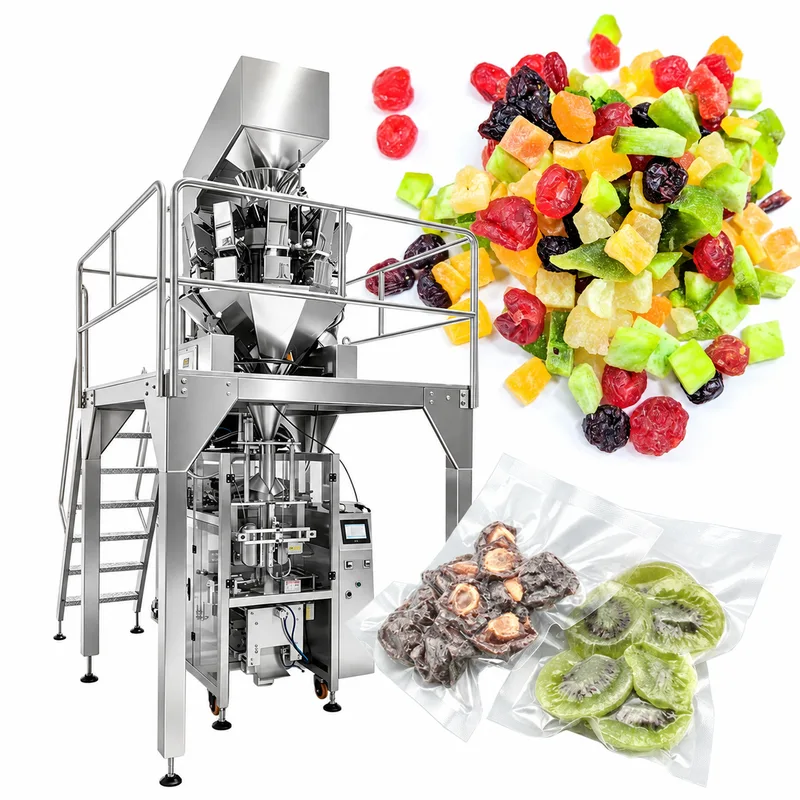
Vertical Form Fill Seal
Dried Fruit Vacuum VFFS Packaging
Too deep an extraction can break fragile fruit or press soft pieces into a mass that is hard to portion. Size this vacuum VFFS line from your fruit samples, pack shape, film and gas route.
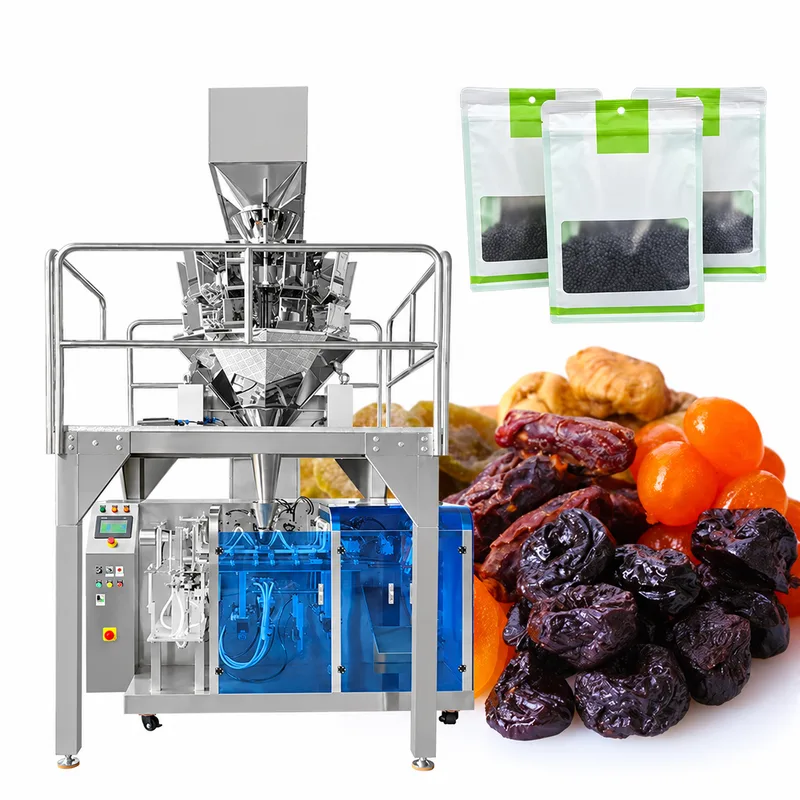
Premade Pouches
Fruit & Nuts Zipper-Pouch Packaging
A zipper pouch can be on weight while the fruit-to-nut ratio drifts. Specify this premade zipper-pouch line from your blend state, largest piece, net opening and fill weight.
Premade Pouches
Premade-Pouch Packaging with Desiccant
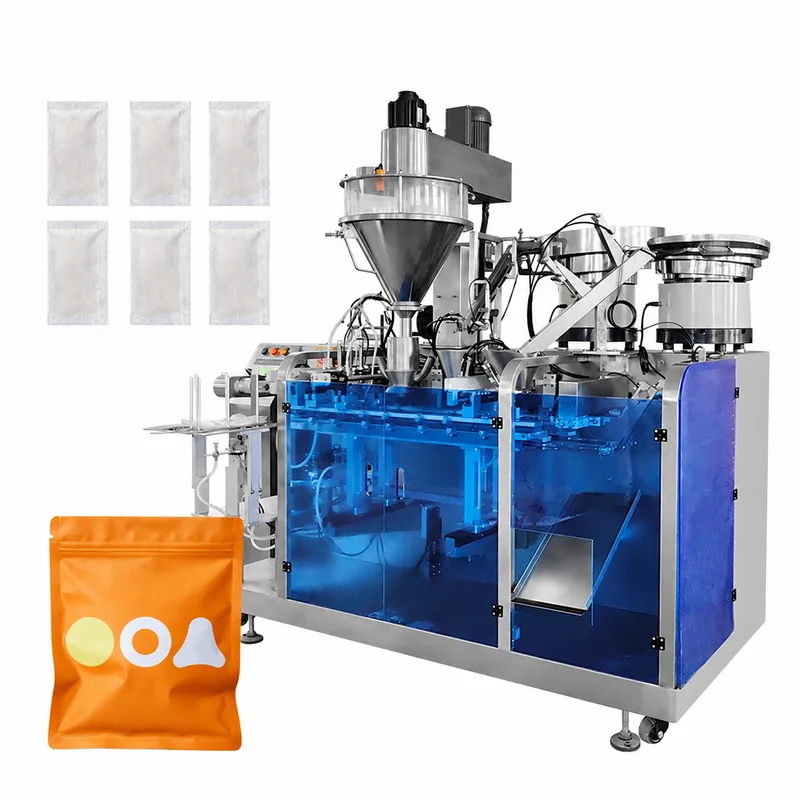
A pouch with the right food weight but a missing desiccant packet still fails. Specify this premade-pouch and desiccant-insertion line from your food, pouch and packet codes, insertion point and checks.
What to send us
| Item | Why we need it | Example format |
|---|---|---|
| Ingredient list and ratios | Ratio control needs different feeding scope from total weight. | Table of ingredients with share by weight or count per blend. |
| Samples with normal coatings | Oil, salt and sugar change release and cleaning. | Labeled bags per ingredient and per blend from production. |
| Target bag weights | Sets dose volume and speed for each format. | Net weights in g per pack size. |
| Bag size and style | Pillow or gusseted formats need different formers. | Dimensioned drawing with gusset depth, or a retained bag. |
| Film specification | Sharp fragments and oils test the laminate and seals. | Laminate structure, thickness and printed layout PDF. |
We reply within 24 hours.