
Buying Your First Packaging Machine
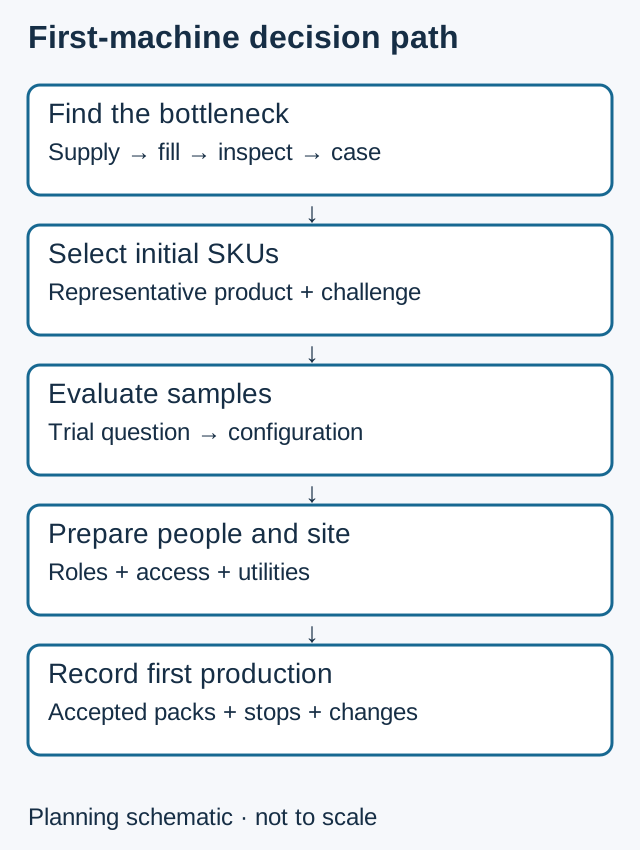
A faster bagger cannot remove waiting caused by product supply or case packing. Identify the bottleneck, choose initial SKUs, then plan trials, people and first-run records.
| Input or item | Typical value or source | Why it matters |
|---|---|---|
| 1. Current bottleneck | Observed supply-to-case sequence | Locate waiting and rejected work |
| 2. Initial SKUs | Representative product and pack samples | Keep the first scope testable |
| 3. Sample evaluation | Trial questions and acceptance records | Resolve the proposed configuration |
| 4. People and factory | Roles, layout and utilities | Plan remaining work and access |
| 5. First production | Material / recipe / accepted output / stops | Compare results with the purchase assumptions |
Use the published configuration and related checks
Takeaway: Define a representative automatic-packaging task before comparing models. Use the brief, output, utility and changeover records below to identify the next input that needs confirmation.
On This Page
Automate a defined bottleneck first
For a first packaging machine, the best starting point is your current packing process. Watch where product waits, where operators repeat measurements and where packages are rejected. Then separate a shortage of filling capacity from problems in product supply, inspection or case packing. A faster bagger won't fix a feed process that can't deliver consistent material, and it won't clear a downstream area that can't take finished bags either.
Record supply, filling, inspection and case-handling constraints in sequence. The output of this first step is a process observation sheet naming where product waits and which evidence is missing. Use it to define the automatic-packaging task before discussing a model.
Select a pilot SKU that teaches the right lessons
The easiest product is not always the best pilot. Neither is the hardest. Pick an initial SKU that represents a meaningful part of the business and has reasonably stable product and packaging specifications. Then add one deliberate challenge from the intended range. The team gets a manageable introduction and also meets a limitation that matters to future production.
Document the manual process first. Measure the real sequence of supply, filling, closing, inspection and case handling, and note where operators compensate for variable product or packaging. Those informal adjustments often hold process knowledge you will want to keep. If they drop out of the project brief, the new equipment may be expected to solve a problem the supplier never heard about.
Prepare a few acceptance examples with the quality team: an acceptable pack and examples of the defects that matter to the business. Decide how weights and package checks are performed. Operators need a shared understanding of release criteria. Telling them to run the new machine at its top setting is not enough. Good sample references keep training consistent across shifts.
Review a complete proposal
Find out how the proposed feeder, dosing unit and bag-handling equipment deal with your product. Get the options listed, along with the information still needed to confirm them. Compare the layout with your space and utilities. If handling or packaging questions are unresolved, request a sample review or trial before you treat the proposal as final.
Plan the work that remains manual
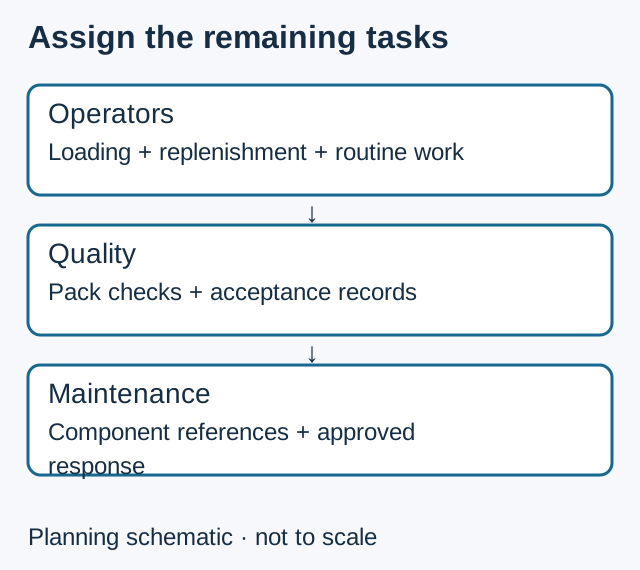
List every operator action before and after automation. Someone will probably still load film, replenish product, inspect seals, replace coding consumables and clear completed packs. Decide where those materials will be stored and how they reach the machine without blocking access. Watch a replenishment cycle during the equipment review. It shows practical needs that a video of the filling cycle alone may hide.
Prepare the people who will own the line. Operators need routine procedures. Maintenance staff need component identification and access information. Quality staff need approved pack checks. These are three training needs. The quotation should state the language and form of the documentation and the intended training. A control screen with simple buttons does not replace a documented response to faults and rejected packages.
Rehearse the first production day
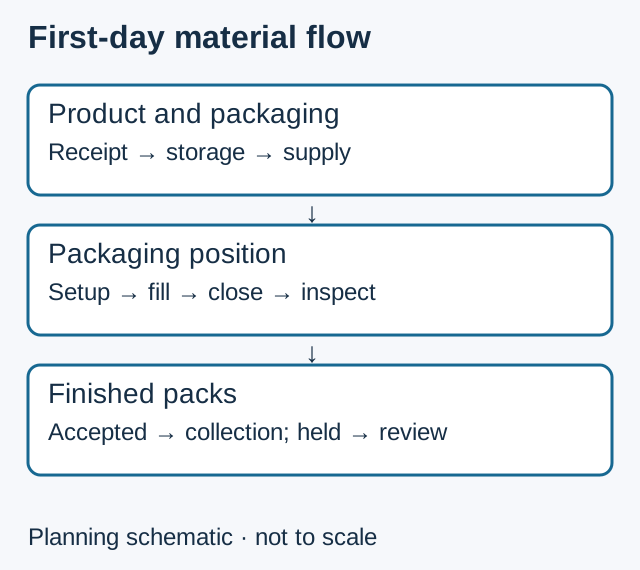
Walk through material receipt, reel or pouch loading, product supply, startup inspection and removal of completed packs. Give each task to a role and check that the space and materials exist. A new line gets congested when packaging stock, rejected product and empty containers have nowhere planned to go. Settle those details early, before the machine becomes the centre of a busy production area.
Rehearse a routine problem. What is the approved response to a missing material, an unclear alarm or an unacceptable pack? When should the operator stop and call maintenance or quality staff? Nobody should improvise around moving mechanisms or bypass protective devices to keep production going. The equipment's instructions and the site's authorised procedures govern those interventions.
Plan how the first runs are recorded. A simple log of product, material lot, recipe, accepted output and stops is enough to reveal many early problems. Keep notes factual. "Several pouches failed to open after a magazine refill" helps more than "the machine was unreliable". Specific records let the support team look at the right part of the sequence.
Use the task register below during a walk-through with the people who will run the line. For each action, identify the incoming material, the role carrying it out, the document they need and the record showing completion. Leave the owner blank until a role has actually been assigned rather than assuming one operator will cover everything. Include what happens to accepted packs and held packs so neither blocks replenishment or access. At the end of the rehearsal, record missing space, missing documents and unresolved interfaces separately. Before sending any trial material, agree the sample arrangements, quantities and costs. The first purchase remains an automatic-equipment project; identifying the work people retain does not imply that a manual or tabletop machine is being offered.
| Task | Role and input | Document and acceptance record |
|---|---|---|
| Product and film supply | Role: TBD / material lot: TBD | Procedure: TBD / readiness record: TBD |
| Startup and setup | Role: TBD / recipe revision: TBD | Procedure: TBD / first-pack check: TBD |
| Package inspection | Role: TBD / acceptance criteria: TBD | Procedure: TBD / sample results: TBD |
| Replenishment and change | Role: TBD / next material: TBD | Procedure: TBD / restart evidence: TBD |
| Accepted and held packs | Role: TBD / destination: TBD | Procedure: TBD / count and disposition: TBD |
Introduce production in a controlled sequence
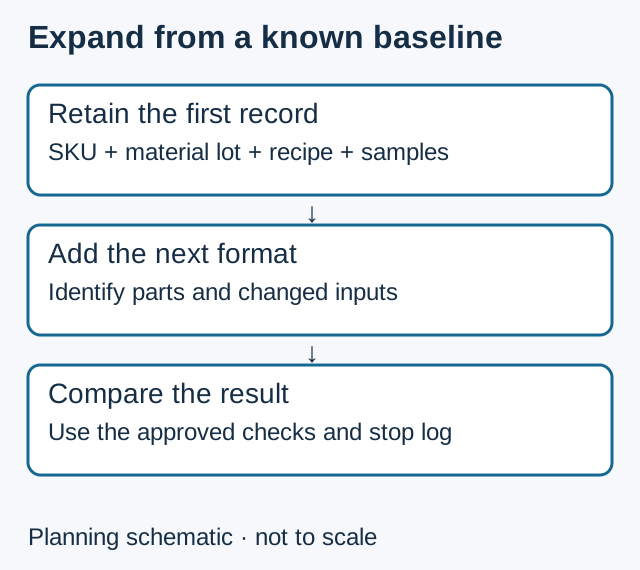
Begin commissioning with agreed materials and settings, then widen to the other approved SKUs. Record recipe versions and keep the first accepted pack samples. When a result changes, the team can compare material lots, settings and operator actions rather than rely on memory. In early troubleshooting, don't change the product, the film and the operating rate all at once. The cause becomes much harder to find.
Set a review point after the first production period, and work from real numbers. Compare accepted packs, changeover work, waste and reasons for stops with the assumptions used to choose the equipment. The aim is to improve the process, not to chase top speed. The best first machine is one your team can supply, operate, clean and maintain consistently for the real production programme, with a documented path for later changes.
Expand only from a controlled baseline
Once the first configuration is stable, bring in the next approved product or format with its own checks. Keep the known-good recipe and record any physical changes. If the new run fails, the team should be able to see what changed and go back to the earlier approved condition where appropriate. Learning then builds up, and trial and error plays a smaller part.
Use the early production review to update training, stock locations and project documentation, and confirm which tasks remain manual and whether the operating plan needs adjusting. A successful first automation project leaves behind a process the team understands and can repeat. That is worth more than a one-off demonstration the people running the equipment every day can't reproduce.
Method and sources
This revision reorganizes the existing buying your first packaging machine guidance and the linked published configuration descriptions, reviewed on 8 October 2026. The blank records and diagrams are planning aids, not customer results or independently verified equipment tests. Questions below come from the existing page’s buying questions and the 8 October editorial review, not a claimed survey or search-frequency dataset. Confirm sample arrangements, quantities and costs before sending material.
Technical Reading
- Packaging World: Vertical Form/Fill/Seal 101 — An independent packaging consultant explains the process and selection considerations.
Frequently asked questions
How many initial SKUs should be included?
There is no fixed count here. Choose a manageable set representing the intended work, including a meaningful production SKU and a deliberate challenge from the range.
Which work may still be manual?
List film loading, product replenishment, inspection, coding consumables and pack removal against the actual proposal. Automation does not establish that these tasks disappear.
What should be checked first if early output misses the target?
Use the stop and material records to locate feed, filling, inspection or discharge constraints. Avoid changing product, film and rate together without identifying the cause.
How should future formats enter the project?
Name them separately from the first scope. Request the proposed parts and checks before treating an expansion as approved.
Should the easiest product always be the pilot?
Choose a representative product with reasonably stable specifications, then a relevant challenge. The easiest demonstration alone may miss the work that dominates real production.
Who needs acceptance and operating information?
Give operators routine procedures, maintenance staff component and access information, and quality staff agreed pack checks. Match the documents to the responsibilities in the offer.
Explore the Equipment
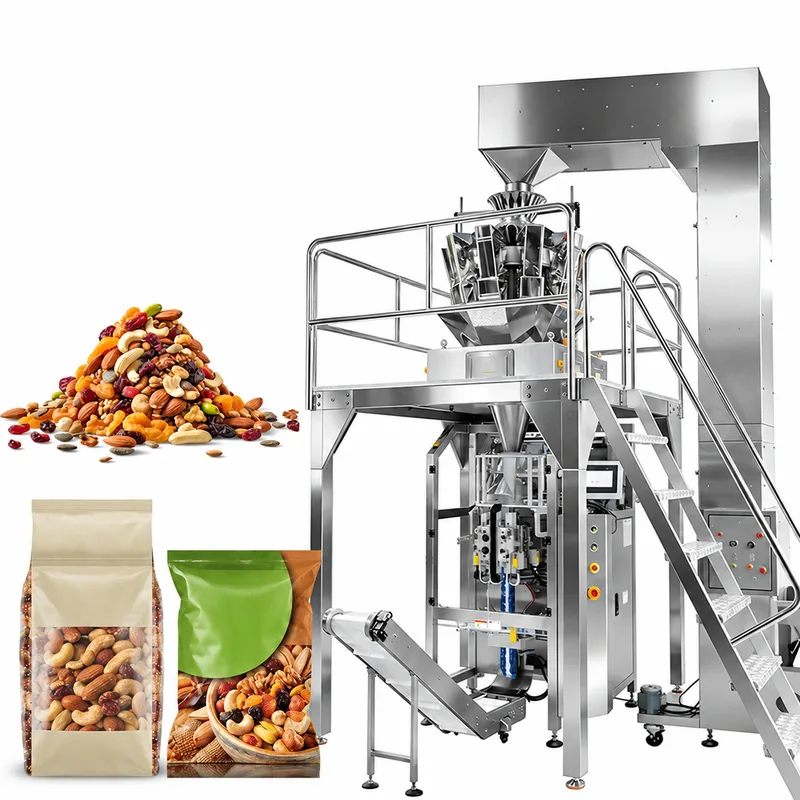
Vertical Form Fill Seal
Nuts & Dried Fruit Multihead VFFS
A nut-mix bag can be on weight and still hold the wrong ratio of ingredients. Configure this multihead VFFS line from your blend, coatings, target weight and bag size.
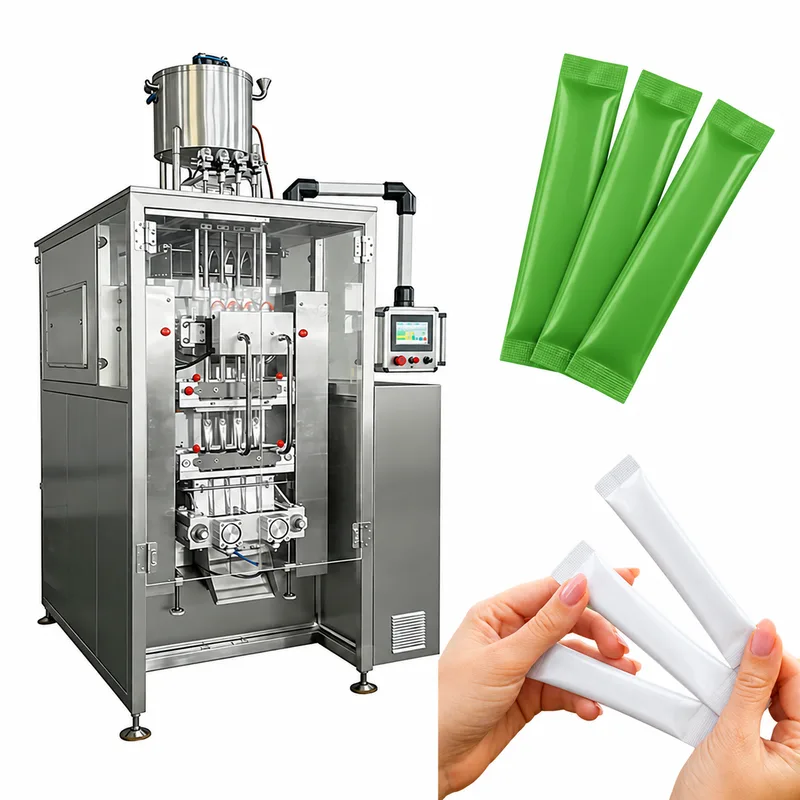
Multi-Lane Stick Packs
Four-Lane Coffee Powder Stick Packs
Instant, agglomerated, blended and ground coffee do not dose alike on one screw. Specify this four-lane coffee stick-pack line from your exact formula, serving and stick, and check every lane.
What to send us
| Item | Why we need it | Example format |
|---|---|---|
| Product, quantity, bag and output brief | Define the first automatic-packaging task. | SKU / quantity / bag drawing / accepted-output brief |
| Factory space and utility information | Check space and connections against the proposal. | Factory plan / supply measurements / access photos |
| Trial questions and configuration scope | Identify the evidence needed before selection. | Trial-question list + proposed component scope |
| Acceptance, operator and support responsibilities | Make operating and acceptance ownership explicit. | Role / procedure / acceptance-record register |
We reply within 24 hours.