
VFFS or Premade Pouches: Where to Start
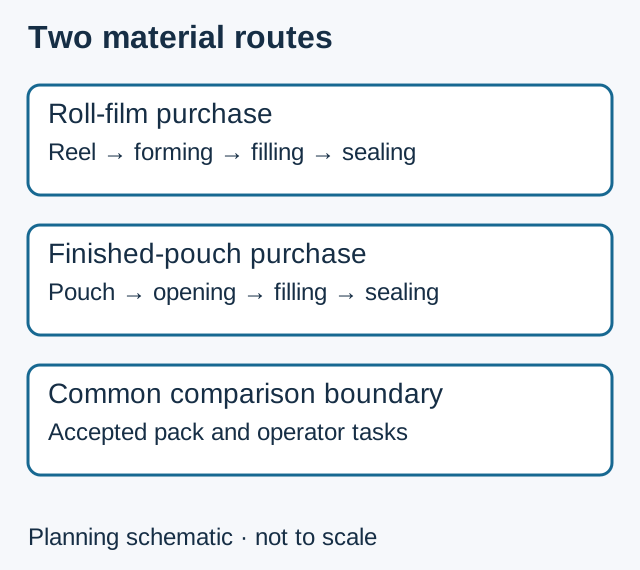
Confusing roll-film and finished-pouch responsibilities can leave a quote incomplete. Start with VFFS for forming from a reel, or premade handling for bought-in bags.
| Input or item | Typical value or source | Why it matters |
|---|---|---|
| Material purchase | VFFS: roll film; premade: finished pouch | Compare equivalent delivered packaging scope |
| Bag preparation | VFFS: form on line; premade: open supplied bag | Assign forming versus opening responsibility |
| Zipper or valve | Confirm which supplier provides and operates it | Avoid an unpriced interface |
| Format change | Parts, adjustments and tasks for each route | Compare the intended SKU schedule |
| Trial basis | Same product lot and accepted-pack definition | Compare filling, rejects and interventions |
Use the published configuration and related checks
Use these references to connect the review inputs with the published equipment scope and the next decision.
- Roll-film example — multihead weighing and VFFS
- Finished-pouch example — coffee doypack handling
- Zipper pouch opening — check the handling interface
- Roll-film requirements — specify the purchased reel
- Cost worksheet — compare accepted packs on equal scope
- VFFS system — follow forming and sealing
- Premade pouch system — follow bag handling
On This Page
Start with the pack the customer will actually buy
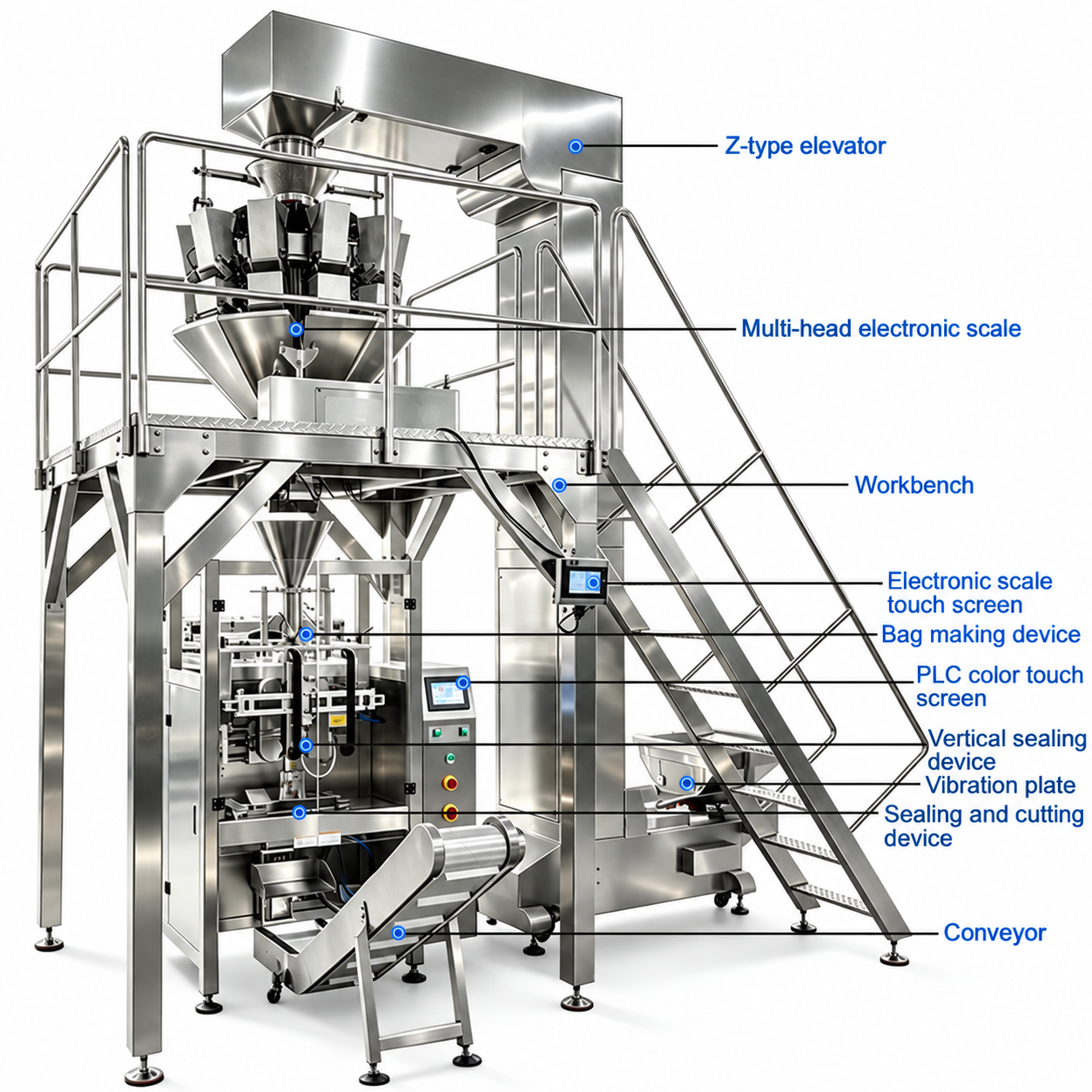
A roll-film bagger and a premade-pouch machine solve different packaging problems. The first makes the package during the filling cycle. The second handles a package a converter has already made. Start the comparison with a filled sample, including its opening, display face and storage position. A flat drawing can hide the space taken by the product, a zipper or a bottom gusset, and two packs with the same outside dimensions can have very different usable filling volumes.
For a first comparison, pick one representative product and one difficult product. A free-flowing nut mixture can behave differently from oily fruit pieces, even when both sell in a resealable retail pack. Find out how each proposal receives the product, measures it, keeps the sealing zone clear and discharges the completed package. You see the differences across the whole process that way, before the talk turns into a contest between advertised machine speeds.
Review the product and format together
Your preferred bag style is only one input. Product flow, fill weight, zipper or valve details, cleaning and available floor space all shape the complete system. Send a bag sample and a material sample, so the machine proposal can deal with both.
Compare complete configurations
Each proposal should name the filler, feeder, platform, bag-handling system, coding options and discharge equipment it includes. Before you compare offers, confirm the operating conditions behind any output or accuracy figure.
Compare purchasing and operating responsibilities
With roll film, the buyer needs a compatible reel specification, print repeat and forming arrangement. With premade pouches, the buyer also has to control pouch manufacturing tolerances and how the bag arrives at the loading magazine. A pouch that looks good and opens reliably by hand may still need machine trials. Zippers, curved corners and variable stiffness can affect automatic handling, so the sample should come from the converter you intend to use in production.
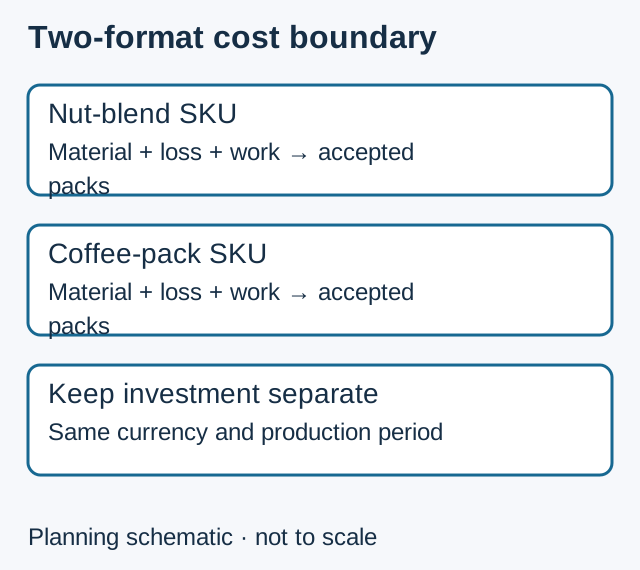
Build a cost worksheet around the same quantity of accepted packs. Include packaging material, product giveaway, operator tasks, startup waste and format changes. The price of an empty flat film area is not comparable with the delivered price of a finished pouch, and calling the difference a machine saving is misleading. A fair comparison counts every manufacturing step that one route does in-house and the other route buys from outside.
Run a comparison that can change the decision
Use the same product lot in both trials, and note any difference in fill target, headspace or closure. Watch material replenishment as well as steady running. Record how an operator clears a rejected pouch, changes a reel or restores the line after a normal pause. These interventions matter when a line runs for a full shift and not just a short demonstration.
Different SKUs may reasonably end up on different equipment. A frequently produced pillow bag and a premium resealable pouch do not have to share one machine just because the contents are similar. Document which requirements are essential on day one and which are genuine future needs. For each future format, get a separate explanation of the tooling, controls and trials needed to add it. An optional feature does not make every pack interchangeable.
Work through a two-format launch example
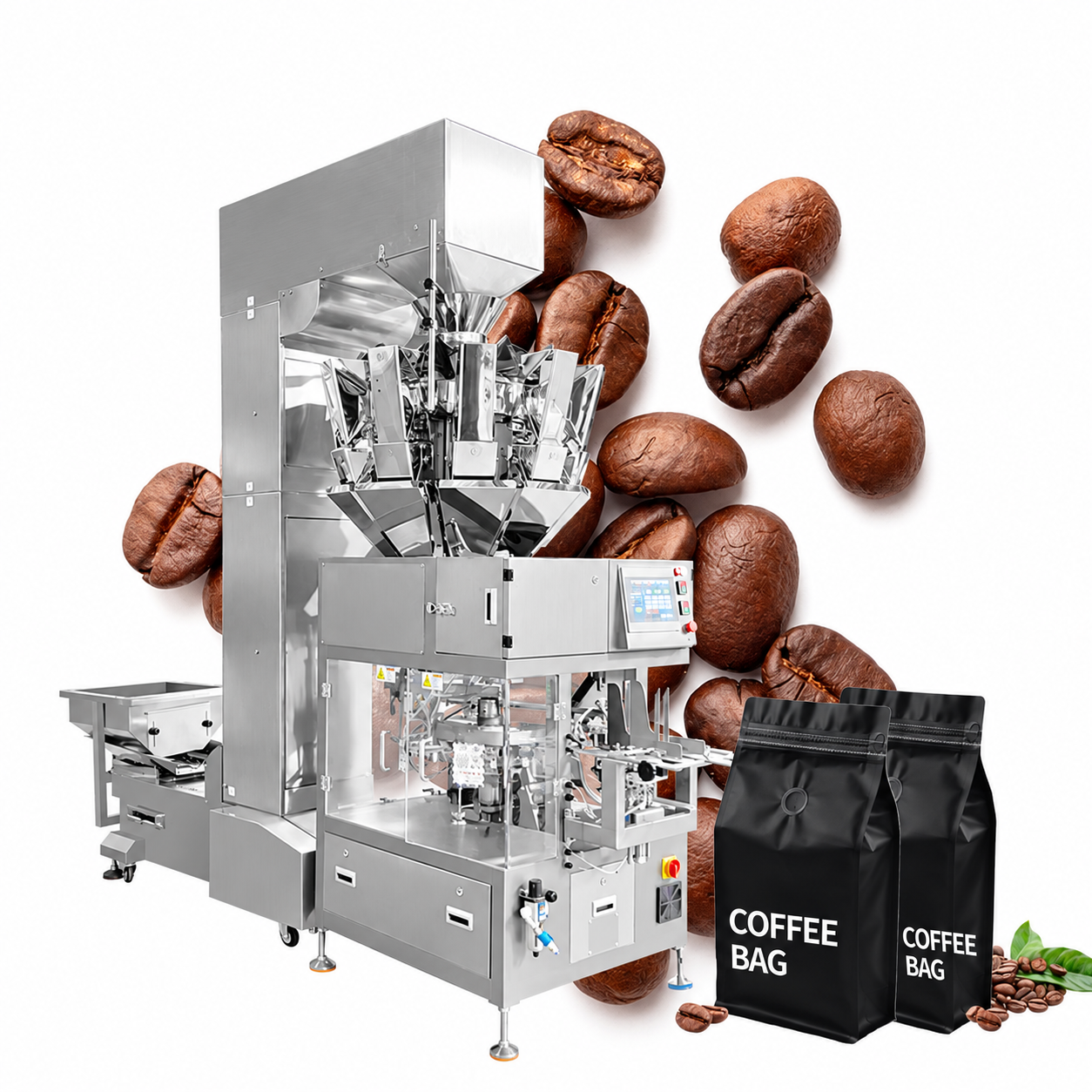
Picture a hypothetical business launching a daily-use nut blend and a gift-oriented coffee pack. The nut blend may put straightforward replenishment and a familiar shelf format first, while the coffee pack may need a defined display shape and a resealing feature. Those are commercial objectives. They do not prove that either machine type is correct. Get a packaging sample for each objective and test whether the proposed route achieves it with the actual product.
Make a comparison sheet with separate columns for pack construction, dosing method, material supply and operator tasks. The nut blend could call for attention to component distribution and breakage. The coffee pack could call for attention to its valve, zipper and the space above the fill. Keeping the questions distinct stops the team from giving both products one identical acceptance checklist just because both are dry foods sold by weight.
Next, look at a short batch and a long batch for each route. Count the materials and tasks needed to start and end the run. Premade pouches may make the purchased packaging construction easier to specify, yet the opening and handling sequence still needs testing. Roll film brings forming into the machine process, so the approved reel and tooling combination becomes part of production control. Neither observation shows a universal cost advantage.
Use a separate blank comparison for the nut blend and the coffee pack. Enter the material specification, quoted equipment boundary and the counting period before putting costs in either route column. Leave an unmeasured task marked TBD and assign someone to observe it. For a short batch, include startup and clearing work; for the long batch, include the replenishment events that actually occur. Do not copy a continuous-run result into both schedules. If one route has no comparable sample record, keep its accepted output unresolved instead of filling the gap with its advertised maximum. The purpose is to identify the next observation that could change the choice, rather than to declare a winner from incomplete totals.
| Cost boundary | Roll-film route | Premade route |
|---|---|---|
| One-time scope | VFFS: TBD / quoted | Premade: TBD / quoted |
| Materials and loss | VFFS: TBD / measured or estimated | Premade: TBD / measured or estimated |
| Operator and change tasks | VFFS: TBD / measured or estimated | Premade: TBD / measured or estimated |
| Accepted packs | VFFS: TBD / counting rule | Premade: TBD / same counting rule |
| Recurring cost per accepted pack | Recurring total / accepted count: TBD | Same included costs and period: TBD |
Keep future formats and substitute materials outside the confirmed scope
Future formats need a named tooling, controls and trial scope. Keep them separate from the initial pack so an uncertain expansion does not complicate the first configuration without a reason. A proposal can identify an upgrade path while leaving the later format subject to its own review.
Ask for accepted samples, operating conditions and a record of routine interventions for the initial route. Read the packaging supplier requirements alongside the machine trial. If a route has only been demonstrated with substitute material, identify the difference and the evidence still needed with production packaging. A defensible choice connects the retail pack, the product behaviour and the factory operating pattern.
Prepare the handover between packaging and production
Before you place an order, circulate the selected pack drawing and configuration to purchasing, production and quality staff. Each function should say what information it needs to run the new process. Purchasing needs the approved material definition. Production needs setup and replenishment information. Quality needs the acceptance procedure. Keep the unresolved questions in one list, not scattered across separate emails.
In the enquiry, use the configuration pages linked below to describe the route under discussion. Include the filled sample and the intended production schedule. The resulting recommendation should explain which route suits each initial SKU and why, along with the trials needed for any unconfirmed pack. This is where a broad technology comparison becomes a concrete equipment project.
Method and sources
This revision reorganizes the existing vffs or premade pouches: where to start guidance and the linked published configuration descriptions, reviewed on 8 October 2026. The blank records and diagrams are planning aids, not customer results or independently verified equipment tests. Questions below come from the existing page’s buying questions and the 8 October editorial review, not a claimed survey or search-frequency dataset. This is a public-information comparison of routes in our offered catalog, not a test conducted for this article. Confirm sample arrangements, quantities and costs before sending material.
Technical Reading
- Packaging World: Vertical Form/Fill/Seal 101 — An independent packaging consultant explains the process and selection considerations.
Frequently asked questions
Can the package change without changing the product?
Yes as a project objective, but review the filling opening, usable space and sealing area. The new format still needs a defined configuration.
Can existing dosing equipment be reused?
Ask whether its discharge, controls and timing suit the new bag-handling route. Compatibility needs review before reuse is counted as a saving.
Can a future format be added later?
Request the named format, parts, controls and trial scope. An unspecified future option is not a confirmed upgrade path.
Does a trial with substitute film or pouches settle the choice?
It leaves a material gap. Keep the substitute identified and agree the checks required with the intended production packaging.
Will a pouch that opens by hand open automatically?
A manual opening check does not establish magazine handling or automatic opening. Use production-converter samples in the agreed trial.
Can empty roll-film cost be compared directly with a finished pouch price?
Compare all material-supply and forming responsibilities using the same accepted-pack count. The two purchased materials include different manufacturing work.
Explore the Equipment
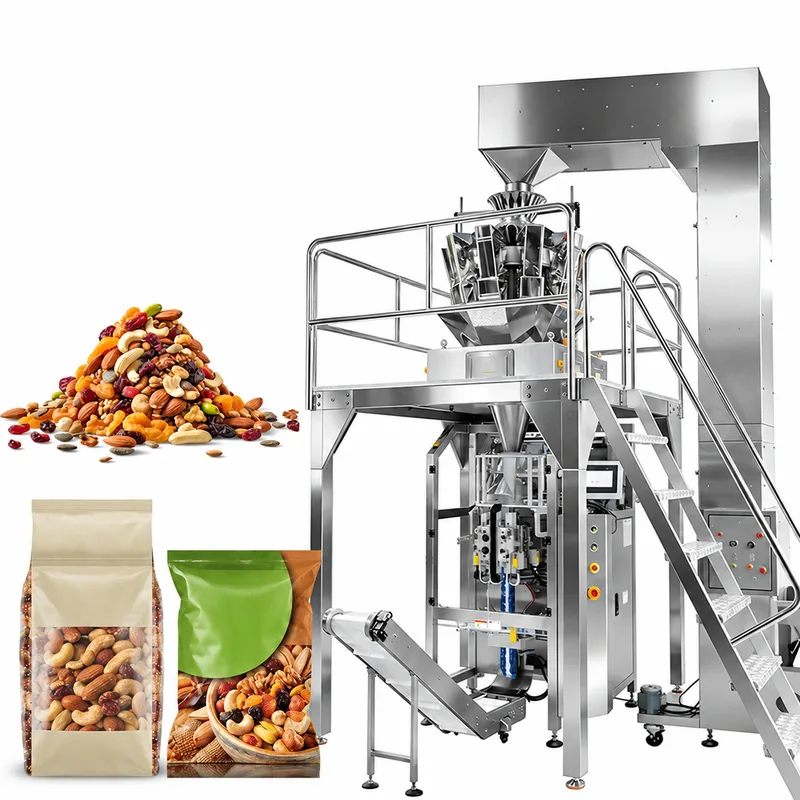
Vertical Form Fill Seal
Nuts & Dried Fruit Multihead VFFS
A nut-mix bag can be on weight and still hold the wrong ratio of ingredients. Configure this multihead VFFS line from your blend, coatings, target weight and bag size.
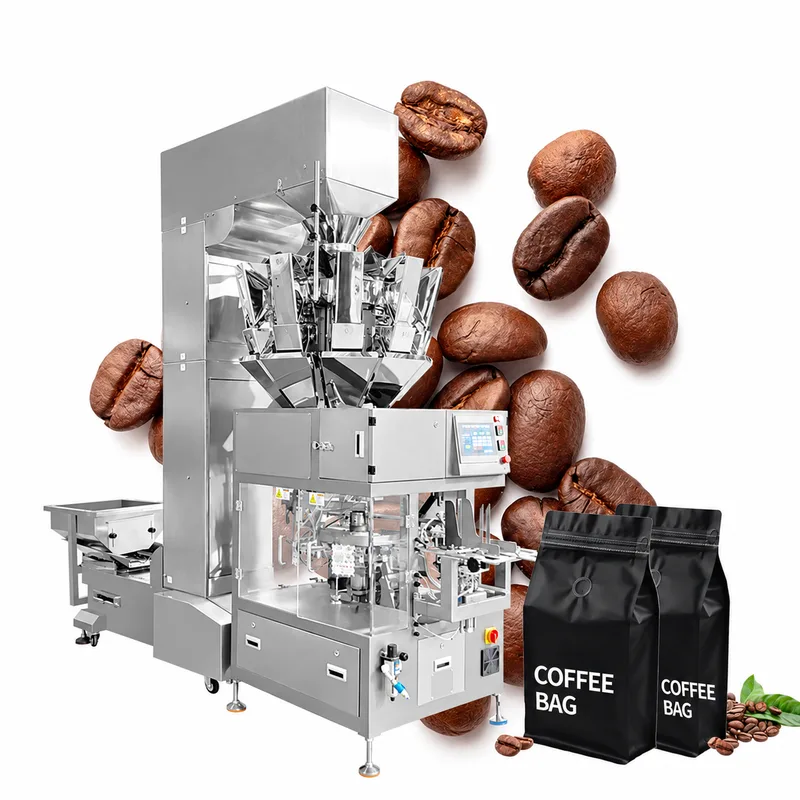
Premade Pouches
Coffee Bean Doypack Packaging
A valve or zipper too close to the pouch mouth catches beans and spoils the seal. Size this premade doypack line for coffee from your actual pouch, bean condition and fill weights.
What to send us
| Item | Why we need it | Example format |
|---|---|---|
| Filled pack, consumer opening and required presentation | Define the consumer package and usable filling space. | Filled pack photos + opening / display drawing |
| Roll-film supply versus premade-pouch handling | Assign material supply and bag-preparation work. | Converter specification + reel or pouch reference |
| Accepted output, material use and format-change tasks | Compare the two routes with the same acceptance boundary. | SKU / run period / accepted packs / material / change tasks |
We reply within 24 hours.