
Configuration & Project Support
Sample Testing Planning
Prepare a product and packaging trial with a clear question, representative samples and an agreed result record.
On This Page
Agree the purpose before sending samples
Start with the decision the trial should support: product release, fill consistency, bag appearance, a format change or a complete line configuration. Share product photos, intended quantities and bag drawings first. Before you ship anything, confirm whether a trial can be arranged, which equipment would be used and what materials are needed.
Define the sample and packaging requirements
Get the team to confirm sample quantity, condition, packing method and receiving arrangements, and if you can, include production film or premade pouches with the supplier and specification named. Handling-sensitive or temperature-sensitive products need a specific arrangement. A small, unrepresentative sample sent without an agreed plan can leave the main production questions unanswered.
Keep the output usable for procurement
Agree which measurements, photos or video and sample records you need. The report should name the actual machine configuration and trial conditions, including any sizes or formulas that were not tested. Settle who reviews the result. Settle how open issues affect the quotation. Timing, costs, sample return and any further trials are confirmed for the project.
Start with a decision the trial can actually support
A sample-testing request works best when it describes a purchasing or process decision. The buyer may need to choose between a roll-film bag and a premade pouch, assess a difficult powder, or find out whether fragile pieces can travel through a proposed weighing route. Those are different questions. They may call for different equipment and materials. Identify the decision first. Then ask which trial arrangement could give relevant evidence. Whether a trial is available, and its scope, still need confirmation for the individual project.
With several products, rank the samples by importance and difficulty. Include the SKU expected to account for most production and the material most likely to challenge feeding, dosing or package closure. An unlimited product range should not be described as one sample family unless the similarities have been reviewed. Coffee beans and coffee powder share a retail category but raise different handling questions. For each sample, say why it was chosen and what the first evaluation leaves out.
Assemble a sample record before shipment
Give each sample an identifier and tie it to the product description, batch and intended packaging format. Record the condition in which the product normally reaches the packaging area, including relevant storage and handling information. Photographs help show particle size, shape and surface condition, but they should come with a written description. If the sample differs from ordinary production material, say so before the trial is arranged. Reviewers should not discover it from the result.
Agree on quantity, receiving arrangements, permitted handling and what happens to unused material. Some trials need enough product to observe replenishment and ordinary pauses, while a very small sample may answer only a preliminary flow question. Temperature-sensitive material needs a specific handling plan approved by the responsible parties. A generic service page does not confirm receiving capability, storage conditions or that the right equipment will be free on the arrival date, so hold the shipment until those are settled.
Send packaging materials that represent the buying decision
Where a packaging supplier has been chosen, give the exact film or pouch specification and supply production-representative material under the agreed arrangements. Mention the intended print repeat or pouch features that may affect machine handling. A zipper, valve, gusset or narrow filling mouth changes the checks. The configuration review should show which of those features come with the material and which depend on equipment included in the proposal.
If final packaging is unavailable, put the substitution in the trial plan. A plain film demonstration may help assess filling and leave print registration unanswered. A similar-sized pouch may show a broad handling route while the actual zipper construction goes untested. Keep those conclusions separate. Do not call the whole package accepted. The buyer can then use preliminary evidence constructively, without mistaking it for approval of material that was never there.
Agree the observation and measurement plan
Write down the fill targets, package checks and handling observations before the run. Quality staff should define the acceptance criteria and the measurement method. A tolerance copied from an unrelated product listing has no place in them. The plan should say when samples are collected, how they are identified and how ordinary events such as refills or restarts are marked. For a multi-lane configuration, keep the lane identity where it matters to the question being studied.
Pick evidence that answers the decision. A fragile-product trial may compare incoming and outgoing condition. A powder trial may need individual filled-weight records and seal-area inspection. A premade-pouch trial may need opening and rejection observations. Photographs and video can explain the sequence, but they don't replace the measurement record. Ask for the favourable result and also for the conditions or interventions that limited it, so purchasing can judge the whole operating proposal.
Review changes made during the trial
A trial often leads to an adjustment, a different component or a revised material arrangement, so record each change with its time or run identifier and say which later samples used it. Measurements from materially different configurations should not be blended into one unexplained average. The buyer needs to know exactly which arrangement produced the result being proposed for purchase. That matters most when the demonstration uses optional equipment or temporary trial parts.
When an issue appears, agree the next investigation. Making several unrecorded changes until acceptable packs emerge teaches nothing. A powder near a seal, for example, could point to the product condition, the transfer path or the filling sequence. The trial record should keep what was observed and separate it from the proposed explanation. A successful adjustment helps, but it becomes repeatable evidence only if the final configuration and operating conditions can be identified later.
- Question the trial must answer
- Representative product and packaging specifications
- Receiving instructions, quantity and cost confirmation
Turn the findings into a scoped next step
The review should end with a result for every selected product and pack. Each is either evidence supporting the proposed configuration, a modification that needs confirmation, or an unresolved question needing more work. Keep the untested sizes and formulas visible. A trial of one portion in one film does not establish suitability for every future SKU. To extend the accepted range later, ask what extra tooling, material information or tests would be needed first.
Request a report package that connects the sample identifiers, configuration, observations and remaining actions. Find out who will review it and how it affects the quotation or acceptance plan. Confirm further trials, material return, scheduling and charges separately. With a report like this, purchasing holds traceable evidence. A demonstration clip looks good, but nobody can reconstruct its materials and settings.
Explore the Equipment
Vertical Form Fill Seal
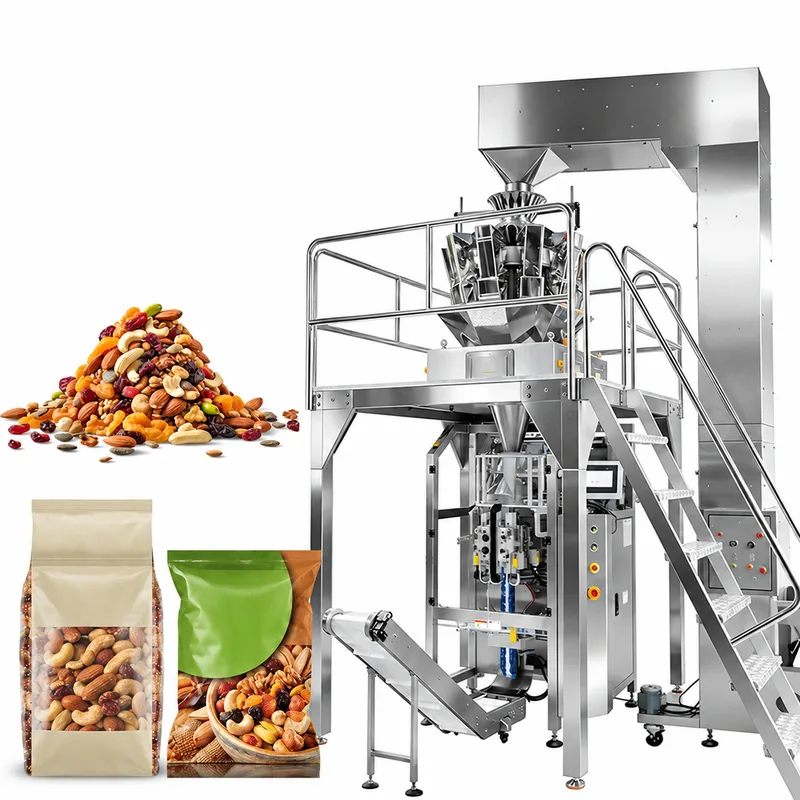
Nuts & Dried Fruit Multihead VFFS
A nut-mix bag can be on weight and still hold the wrong ratio of ingredients. Configure this multihead VFFS line from your blend, coatings, target weight and bag size.
Multi-Lane Stick Packs
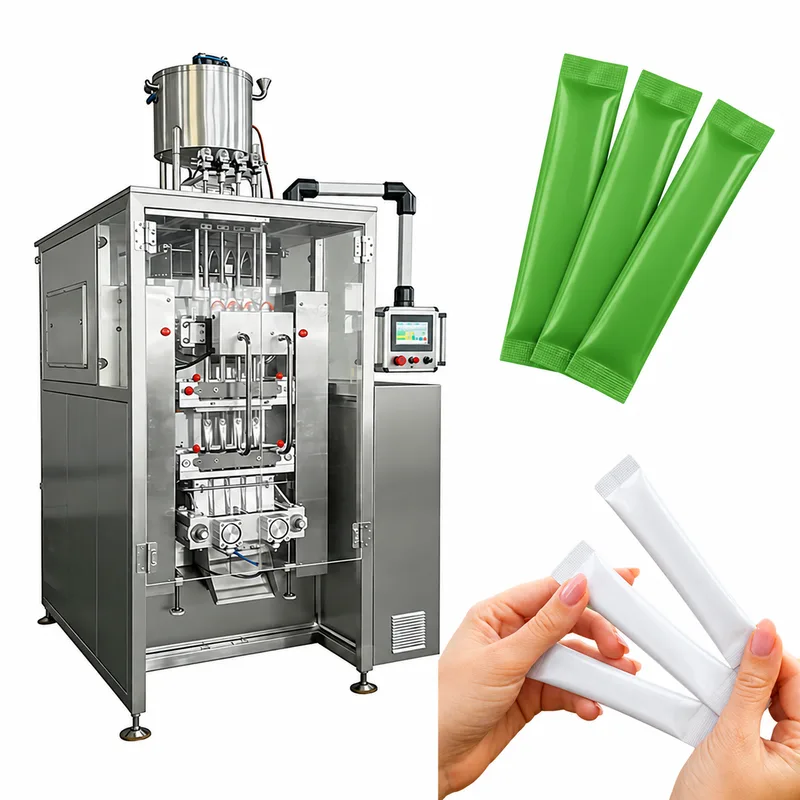
Four-Lane Collagen Stick-Pack Machine
Four lanes can hide one lane that under-doses. Specify this four-lane collagen stick-pack machine from your powder density, serving weight and stick size, and sample every lane.
What to send us
| Item | Why we need it | Example format |
|---|---|---|
| Question the trial must answer | Identify the evidence or open question for this review point. | Labeled brief entry + photo/drawing/record reference, or TBD. |
| Representative product and packaging specifications | Identify the evidence or open question for this review point. | Labeled brief entry + photo/drawing/record reference, or TBD. |
| Receiving instructions, quantity and cost confirmation | Identify the evidence or open question for this review point. | Labeled brief entry + photo/drawing/record reference, or TBD. |
| Required records and acceptance reviewers | Identify the evidence or open question for this review point. | Labeled brief entry + photo/drawing/record reference, or TBD. |
We reply within 24 hours.