
Read a Packaging Sample Test Report
“Successful” without matching evidence cannot approve every configuration. Check the test question, materials, raw records, criteria and unresolved actions.
The review decision
Read the report in this order: identify the test question, check materials and configuration, trace the raw records, compare the agreed criteria, then assign unresolved actions. Keep planned and actual conditions side by side. A result supports only the scope its evidence covers, not every related size, formula or film.
On This Page
Start with the question and actual conditions
Read the report in this order: identify the test question, check materials and configuration, trace the raw records, compare the agreed criteria, then assign unresolved actions. Keep planned and actual conditions side by side. A result supports only the scope its evidence covers, not every related size, formula or film.
Someone who was not at the trial should be able to read a sample-test report and understand what was run and how the conclusions were reached. It names the product lot, packaging material, machine configuration, tooling and recipe. It gives the date and the roles of the people who watched the test, without inventing credentials. Photographs should show the setup and samples clearly, with labels that tie them to the recorded conditions.
State the test question before the result. The run might look at powder dosing, damage to a fragile product, pouch opening or a proposed film. A report that opens with a clear question is less likely to claim more than the trial established. List any substitutions and untested conditions, including every difference between the sample and the material expected in production.
Begin with the decision the report is meant to support. Then check the tested materials and configuration before you read the conclusion. Reading in that order makes unsupported leaps easier to spot. Saying a trial was successful is incomplete if the report does not say which formula, pack and target were evaluated. Every conclusion should trace to an observation or measurement collected under a defined condition, and the author should be able to show that link.
Check that the report separates the planned protocol from what actually happened. Changes to the material, settings, duration or inspection method should stay visible. A trial can still give useful evidence after a change, though it may now answer a different question from the original plan. When the report keeps both versions, later readers will not assume every condition in the purchase brief was demonstrated.
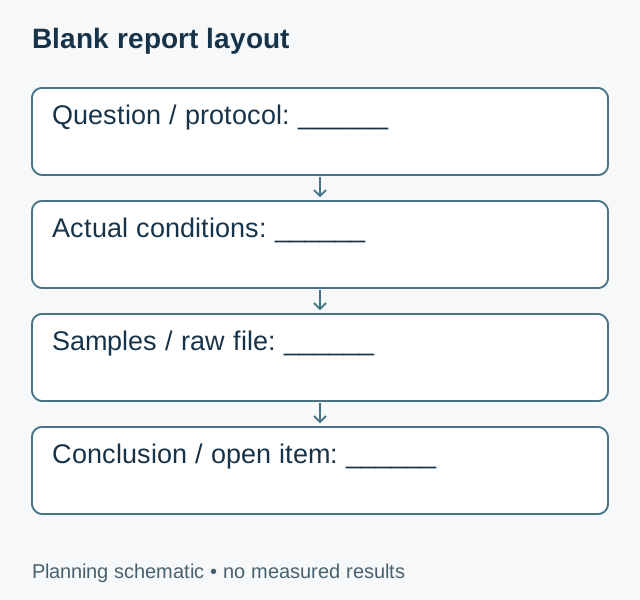
Use one row for each test question rather than one row for a whole machine family. A raw-file reference should identify the file and the relevant sheet, row or event so a reviewer can find the underlying evidence. Pair a sample photograph with that same run and sample label. Keep planned conditions in place when actual conditions differ; replacing the plan with the result would hide the deviation. If a conclusion relies on only part of the run, mark that subset and explain the selection. Leave signatures and names blank in this worksheet until the real responsible parties complete their review. It is a report-reading aid, not an example of an approved test.
| Field | Entry | Evidence / owner |
|---|---|---|
| Question ID | ________ | ________ |
| Planned conditions | ________ | ________ |
| Actual conditions / deviations | ________ | ________ |
| Run and sample identity | ________ | ________ |
| Raw file / photo reference | ________ | ________ |
| Criterion and conclusion | ________ | ________ |
| Untested scope / next action | ________ | ________ |
| Responsible party | ________ | ________ |
| Report revision | ________ | ________ |
Trace sample identities to the raw records
A filled sample should be traceable to its run, its collection point and the operating condition at the time. On a multi-lane machine, lane identity matters when you compare variation. In a handling study, the sampling position matters when you try to locate damage. Labels should still make sense after the packs leave the test table. A photograph of several unmarked samples is hard to match to a spreadsheet later.
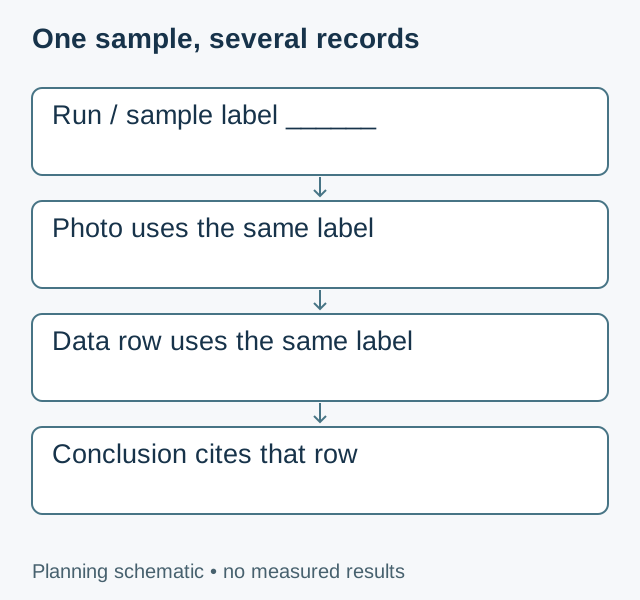
Look at how the measurements were taken and how the summaries were calculated. Where is the raw file stored, and do excluded records have an explanation? A useful report keeps the observations that did not fit the expected pattern, because they may point to an unresolved condition. A graph is no stronger than the data under it. The conclusion rests on traceable sampling and a suitable method, not on how polished the chart looks.
Review observations before the conclusion
Keep the individual measurements, or their source file, with the report. On a multi-lane trial, keep the lane identity. On a handling trial, note where samples were taken. Mark pauses, refills and setting changes on a timeline. With these details the buyer can tell a stable result from an average that blends several different operating conditions.
Classify defects by the agreed definitions and include representative examples. Record the inspection method and how many packs or pieces were inspected. A photograph of a few attractive samples does not prove overall performance. Photographs help explain observations, but the measurement records set the scope of the result.
Connect photographs and video to the record
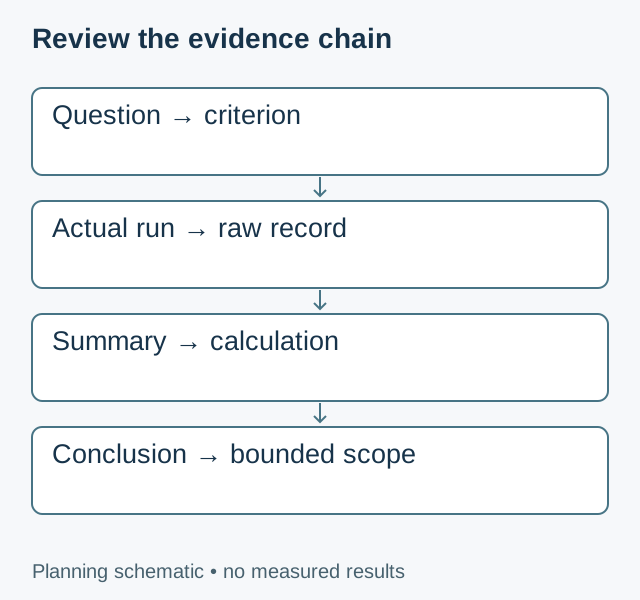
The images should show the setup, a representative accepted pack and any relevant defects or open questions. Captions should tie to the sample identifiers and give the viewing angle where it matters. A close-up of powder near a seal, for example, should say which run and material it belongs to. Cosmetic appearance is one thing. An integrity claim needs a defined test beyond visual inspection, so keep the two apart.
Video helps show sequence, such as pouch opening or product release, but note how much of the run it represents. A short edited clip cannot establish uninterrupted output for the whole trial. If the report relies on a specific event in the video, point to the moment so reviewers can find it. Keep the written record of stops and adjustments even when a demonstration video is supplied.
Close open actions under a controlled revision
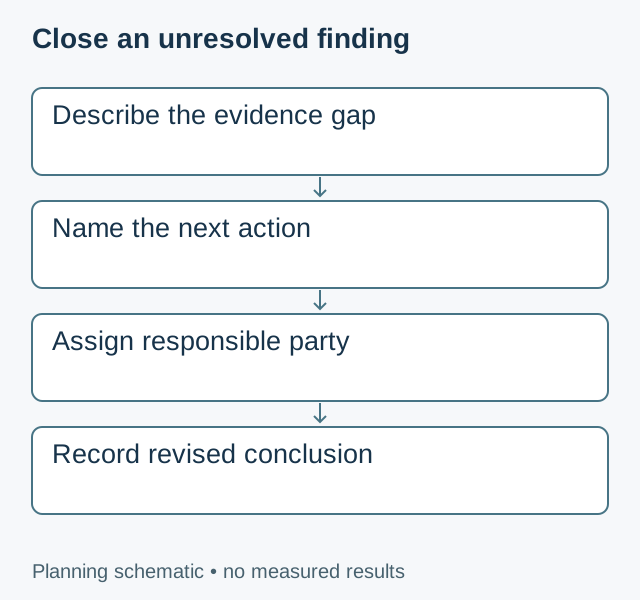
The report should say whether the tested configuration met the agreed criteria, needs modification or needs another trial. Every open item gets a responsible party and a next action. If the team proposes a change, say which checks must be repeated to assess it. Keep recommendations separate from observations. Readers can then see what happened and what is only a suggestion.
Issue the report under a controlled revision and link it to the project brief. Keep earlier versions where they explain a change in the configuration. A complete report supports purchasing, factory acceptance and later troubleshooting. It does not certify a machine, and it does not approve every future product. What it gives you is traceable evidence and a clear decision that the evidence supports.
For each open issue, state the evidence, the proposed action, who is responsible and what verification is needed. A change to a dosing component may need another fill trial, while a missing drawing may be settled by a document review. A generic "follow up" on every issue is not good enough. The next action should be specific enough that the team can tell whether it has actually been done.
End with a scope statement that says what the report supports and what remains untested. Future formulas, alternative films and additional pack sizes stay outside the accepted boundary until the right evidence exists. Keep the report revision with the quotation and the configuration decision. Purchasing, production and maintenance can then work from the same record. It also avoids a common mistake, which is turning a successful sample run into a universal claim about every related product.
When clarification changes the decision
Review the draft soon enough that missing identifiers or photographs can be fixed while the trial setup and retained samples are still accessible. Send questions using the report's run and sample references. If an answer changes the conclusion, ask for a revised document instead of leaving the correction in an informal message. That keeps one usable decision record, and it lowers the risk that purchasing approves an earlier version while production works from a later explanation of the same trial.
Method and sources
This worksheet reorganizes the existing read a packaging sample test report into a project review record. Its fields and diagrams are editorial planning aids, not supplier specifications, measured results or approved procedures. The source is this site’s published guide and its configuration-review scope, revisited on 8 October 2026. The questions below follow the buyer issues identified in the page review; they are not presented as search-volume or customer-enquiry statistics.
Frequently asked questions
Can a mean result represent every lane?
Not by itself. Preserve lane identities and the individual results or source file so variation remains visible. Compare the relevant records with the agreed sampling method and acceptance criteria.
What should remain when an outlier is excluded?
Retain the original observation, its run and sample identity, and the reason for exclusion. Keep the calculation traceable so a reviewer can see how the exclusion affected the summary.
How long a run does a demonstration video prove?
Only the recorded coverage can be reviewed from the clip. State whether it is edited and identify the relevant events; use the written run and interruption record for the full trial period.
Should a report be revised after a clarifying explanation?
If the explanation changes the conclusion or accepted scope, request a controlled revision. Link it to the earlier report so purchasing and production do not rely on different interpretations.
Explore the Equipment
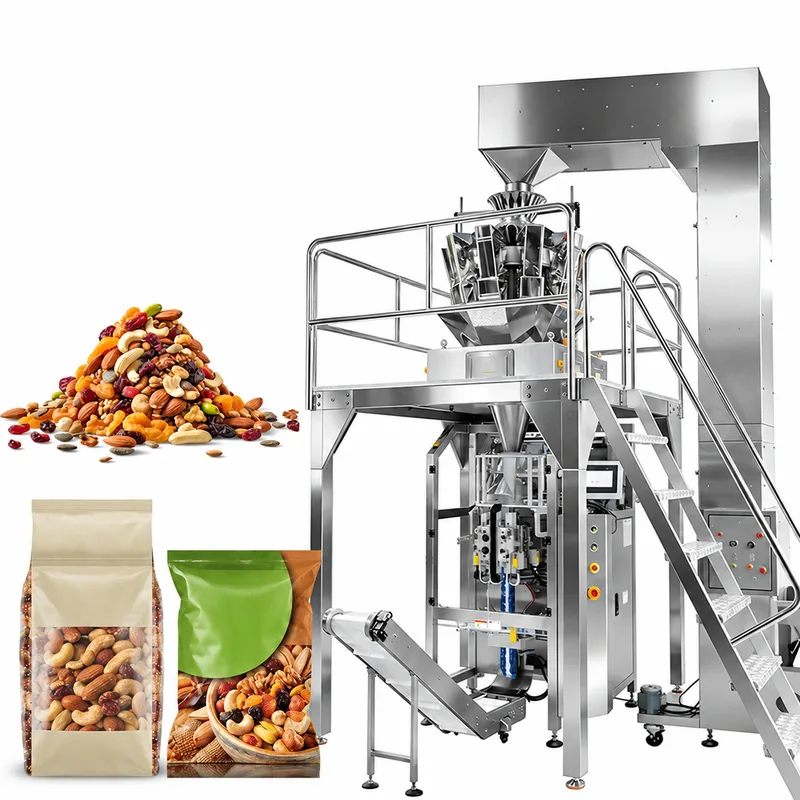
Vertical Form Fill Seal
Nuts & Dried Fruit Multihead VFFS
A nut-mix bag can be on weight and still hold the wrong ratio of ingredients. Configure this multihead VFFS line from your blend, coatings, target weight and bag size.
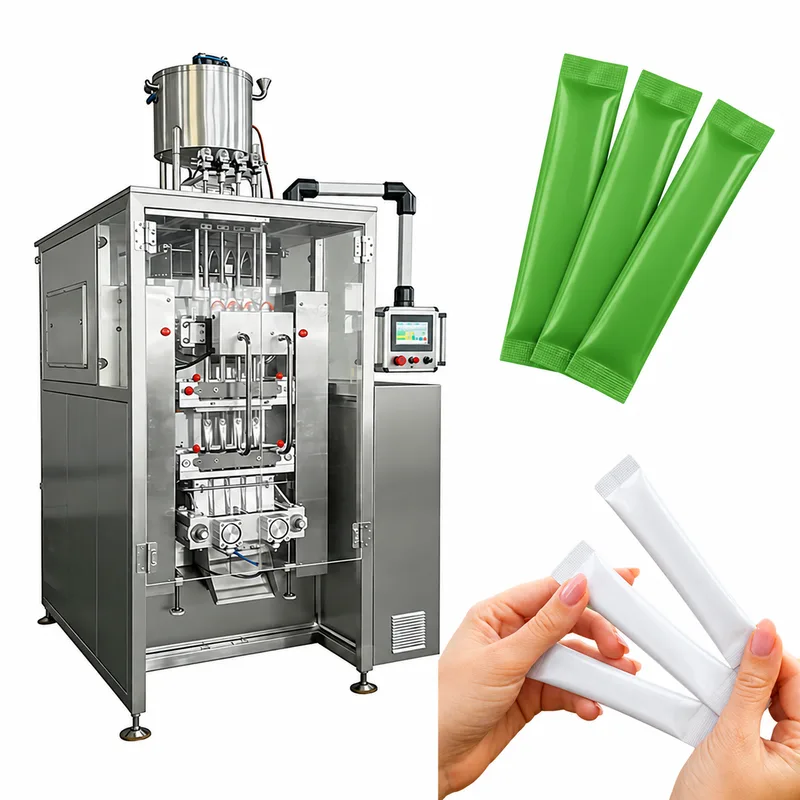
Multi-Lane Stick Packs
Four-Lane Collagen Stick-Pack Machine
Four lanes can hide one lane that under-doses. Specify this four-lane collagen stick-pack machine from your powder density, serving weight and stick size, and sample every lane.
What to send us
| Item | Why we need it | Example format |
|---|---|---|
| Sample and configuration identification | Connect this review point to its supporting record and unresolved questions. | Labeled project brief with record references |
| Measurement methods and actual conditions | Connect this review point to its supporting record and unresolved questions. | Dated document or drawing with revision |
| Results, interruptions and retained samples | Connect this review point to its supporting record and unresolved questions. | Annotated photographs plus matching worksheet entries |
| Untested items and agreed follow-up actions | Connect this review point to its supporting record and unresolved questions. | Review log: open item, owner, evidence and status |
We reply within 24 hours.