
Configuration & Project Support
Factory Acceptance Planning
Agree a factory acceptance plan that connects the supplied configuration to product trials, records and remaining open points.
On This Page
Define what is being accepted
Use the quotation, configuration list and approved drawings to define the equipment under review. Checking the supplied items is one task, and testing specific product and pack combinations is another, so keep them apart. Name the representatives who can accept results, and agree how exceptions will be resolved, because an informal demonstration should not quietly take the place of an agreed acceptance plan.
Set the trial conditions in advance
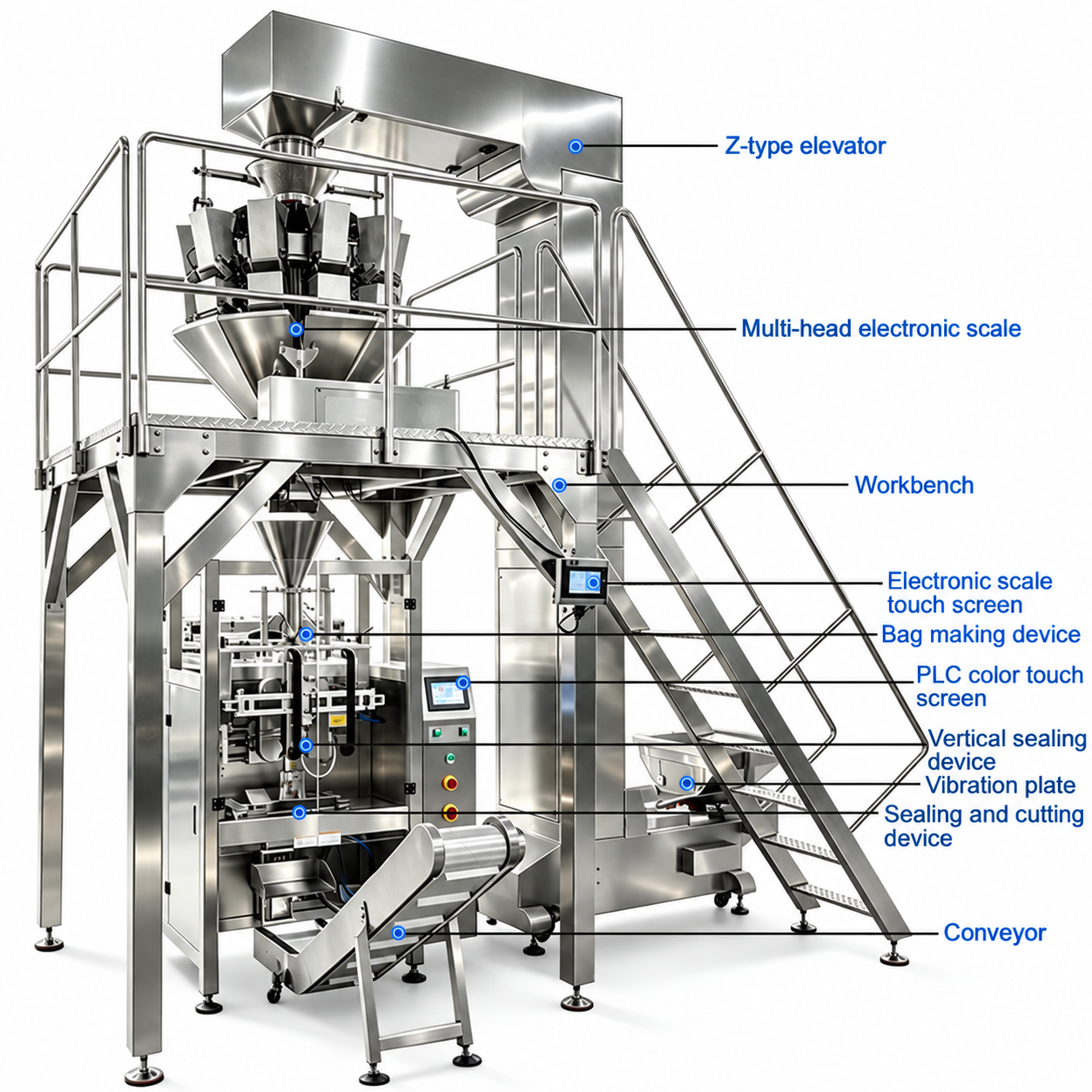
Agree materials, sample quantities, package sizes, output conditions and measurement methods before the session starts. Any optional function that is part of the order belongs on the list too. Name the records you want, such as sample measurements and a run log. A promotional video shows the machine running but does not demonstrate every acceptance item.
Record results and exceptions
Document what was tested, the actual configuration and any items that were interrupted or never tested, then give each unresolved point an owner and an action and agree how it will be checked again. Acceptance arrangements, attendance, timing and costs belong in the project agreement. Passing at the factory is not the end of it. The agreed installation and startup checks still apply.
Establish the acceptance basis before booking a session
Factory acceptance planning should begin with the current order scope, the approved configuration and the material requirements. Work out which equipment, options, format parts and documents are included. Checking that an item is present is not the same as seeing it perform a defined task. You need both, and each needs different evidence. A visit built around an informal machine demonstration can leave important order requirements unexamined unless the acceptance plan spells them out.
Name the representatives who can review results. Agree how exceptions get resolved. Decide whether attendance is in person, remote or some other arrangement, subject to confirmed availability and project terms. Scheduling, costs and commercial release conditions belong in the appropriate agreement. Acceptance criteria differ from one purchase to the next, and no particular testing arrangement is promised for every order.
Select the product and packaging combinations deliberately
List the initial SKUs and formats the order requires, then pick the combinations to demonstrate under the agreed plan, including the difficult or decision-critical conditions, and say why they are there. One easy product can verify basic operation and still leave your most important feeding or pouch-handling question unanswered. If only part of the range can be tested, keep the remaining formats on the list as untested items with an agreed disposition.
Confirm material specifications, quantities and handling arrangements before the session. Settle who provides the product, film or pouches, and which records come with them. Document any substitution and its limits. A good run on another film or a simpler product is useful information, but it cannot quietly replace the agreed production condition. The test record has to show what material was actually available and which acceptance questions it can answer.
Translate requirements into observable checks
Give each acceptance item an identifier and state the evidence it needs. A parts check may use a reference and a photograph. Filling needs the agreed measurement record. A format change needs a defined before-and-after setup. Quality and production staff set the criteria. Tolerances or performance claims lifted from an unrelated brochure should not slip into the purchase agreement.
Add the optional functions that belong to the order. Coding, a valve-related operation, gas flushing or inspection should be reviewed against their defined scope. A component showing up in a photograph does not mean the function is complete. Where the relevant customer equipment or site conditions are absent, keep installation-dependent questions separate. The result is a test plan that works at the factory and is honest about what must be checked later.
Agree how the run and its interruptions are recorded
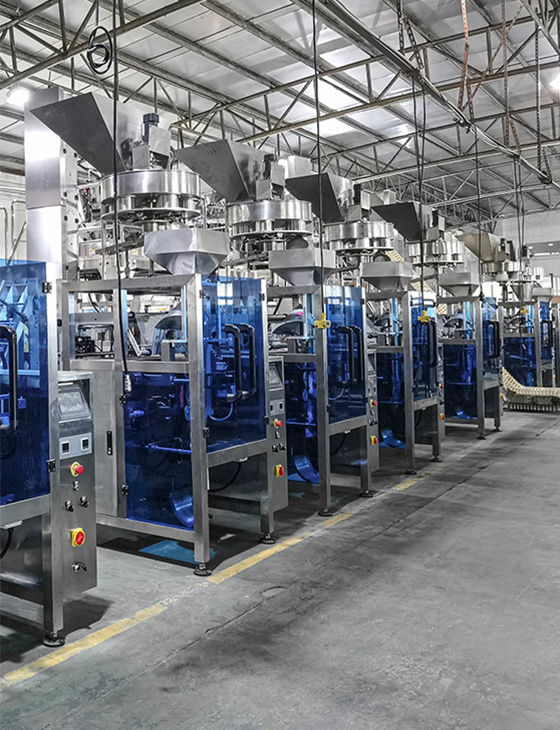
Record the equipment and recipe identity, the material lots and the test period. Define accepted and rejected packs using the agreed criteria, and keep the raw observations behind the totals. A displayed cycle rate means little. Accepted output over a measured interval is what counts. Where the protocol requires it, include replenishment, planned stops and relevant restart checks, and mark those events so reviewers can interpret the result.
If the run stops for an adjustment or a fault, leave the event in the record. Agree whether the affected test item will be repeated and what evidence closes it. Don't restart the demonstration until a favourable short run appears. That wipes out the original result. A corrected condition can still be accepted through the agreed process, as long as its configuration and verification stay traceable in the final record.
Review documentation and ordinary operating tasks
The intended users should review the applicable operating documents, format identification and routine tasks within the agreed scope. Maintenance staff may need component references and access information, while operators need to understand the approved working sequence. Reviews follow the equipment procedures and involve the right personnel. Acceptance is never a reason to defeat guards or improvise access to show a task more quickly.
Check that the documentation describes the configuration actually supplied, including options and approved format parts. Missing or outdated information goes into the record as an acceptance item, not into an informal promise. A machine can produce an acceptable sample while the buyer still lacks what it needs for repeatable operation or maintenance. Keep these findings next to the measured results, so the project team has the full picture when it makes the handover decision.
Close exceptions with specific evidence and ownership
For every unresolved item, record the observation, the supporting file or sample, the responsible party and the next action. A revised drawing, a component change and another operating trial each need a different closure record. Say which applies. State who or what role can accept the correction, and how it affects the agreed release process. A general note to follow up later is hard to use. The equipment has moved by then, or the original participants are unavailable.
Keep the final protocol, result summary, configuration revision and open-item list together. Note the checks planned after installation, especially those involving customer utilities and connected equipment. Factory acceptance and site startup cover different parts of the project, and they should share a traceable baseline. A well-prepared plan leaves both parties with a clear account of what was demonstrated, what was accepted and what still needs evidence. A defined factory result does not turn into a guarantee about every future operating condition.
- Approved equipment list and drawings
- Material, pack and output test conditions
- Measurement methods and required records
Prepare the acceptance planning enquiry
Provide the order reference, the current scope revision and the products and formats you consider essential to the session. Say what evidence format you need and who will review it. Flag any materials or connected equipment that may not be available at the proposed test location. Raising this early makes the protocol more realistic and shows when you need a separate trial or site check. Both sides can also confirm attendance, timing and responsibilities before anyone plans travel or production around an incomplete assumption, so settle these points early.
Explore the Equipment
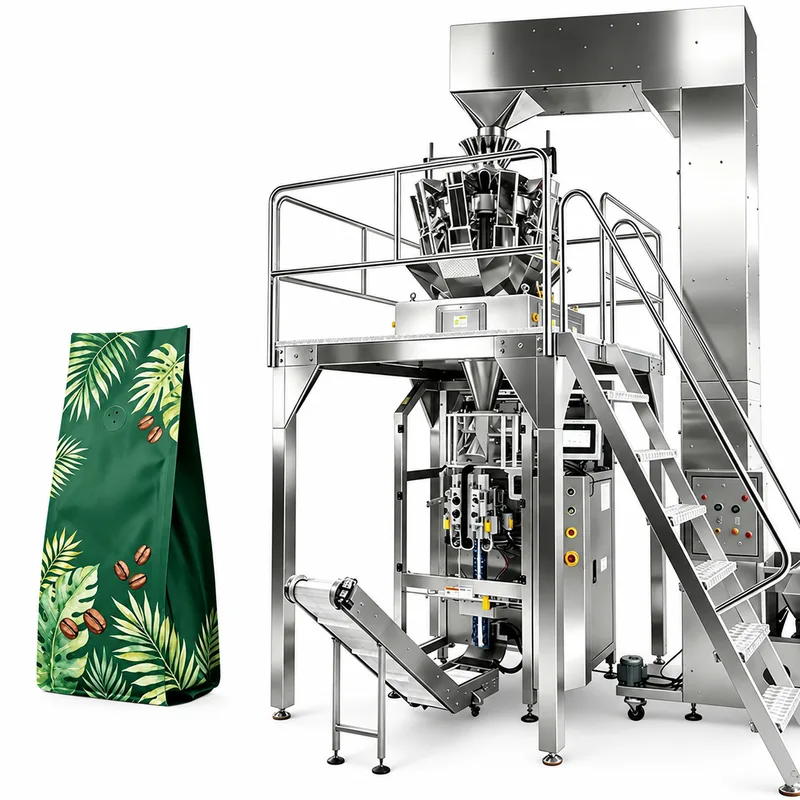
Vertical Form Fill Seal
Coffee Bean Valve-Pouch Packaging
A misplaced or poorly attached degassing valve can spoil a run of coffee bags. Specify this weigher and VFFS valve line from your valve drawing, film, roast and weight.
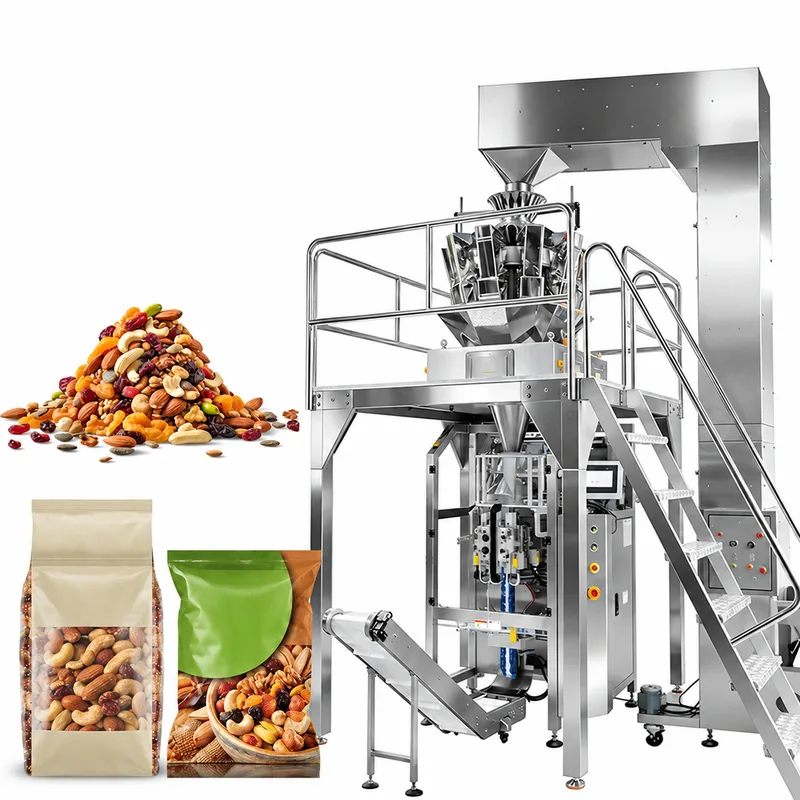
Vertical Form Fill Seal
Nuts & Dried Fruit Multihead VFFS
A nut-mix bag can be on weight and still hold the wrong ratio of ingredients. Configure this multihead VFFS line from your blend, coatings, target weight and bag size.
What to send us
| Item | Why we need it | Example format |
|---|---|---|
| Approved equipment list and drawings | Identify the evidence or open question for this review point. | Labeled brief entry + photo/drawing/record reference, or TBD. |
| Material, pack and output test conditions | Identify the evidence or open question for this review point. | Labeled brief entry + photo/drawing/record reference, or TBD. |
| Measurement methods and required records | Identify the evidence or open question for this review point. | Labeled brief entry + photo/drawing/record reference, or TBD. |
| Acceptance authority and exception-resolution process | Identify the evidence or open question for this review point. | Labeled brief entry + photo/drawing/record reference, or TBD. |
We reply within 24 hours.