
Packaging Machine FAT Checklist
Without agreed criteria, a factory acceptance test can end in a dispute. Connect each order requirement to a material set, measurement method, evidence reference and named exception owner before the run.
| Input or item | Value or source | Why it matters |
|---|---|---|
| Order scope | Order and approved drawings | Separate presence from operating checks |
| Test combinations | Product, pack and configuration matrix | Expose substitutions and untested formats |
| Methods and criteria | Agreed protocol | Define how a result will be judged |
| Evidence identity | Requirement and sample references | Make the conclusion traceable |
| Exceptions | Owner and follow-up action | Keep closure separate from shipment release |
Choose the next review for your project
Use the records below to identify the unresolved decision. These related pages explain the corresponding configuration, measurement or service scope.
On This Page
Plan: agree the scope and acceptance protocol
Begin with a list of the equipment, options, format parts and documents expected under the order, and the product and bag combinations to be tested. Presence checks and operating trials are different things, so keep them apart. Name the people authorized to accept results, and agree how a deviation will be documented and resolved.
Specify the material, packaging, quantities and output conditions being evaluated, and agree the measurement methods and the records required. If valve or gas equipment is part of the supplied configuration, include it. A generic checklist needs adapting to the actual order. Copying it unchanged assumes every line is identical, and that is rarely true.
A factory acceptance test should rest on the purchase scope and a defined material set. List the equipment, tooling, software or recipe versions and the products to be demonstrated. Name the buyer and supplier representatives responsible for each decision. Agree which observations are informational and which measurements decide acceptance. Without that, the demonstration gets judged at the end against criteria nobody had agreed.
Confirm that the product, packaging and measuring equipment you need will be on hand. If a material is substituted, record the substitution before the run and say which conclusions stay provisional. A trial with an easier product or unprinted film may answer some questions, but it cannot quietly replace the agreed production condition. Keep any deferred checks on an open-item list.
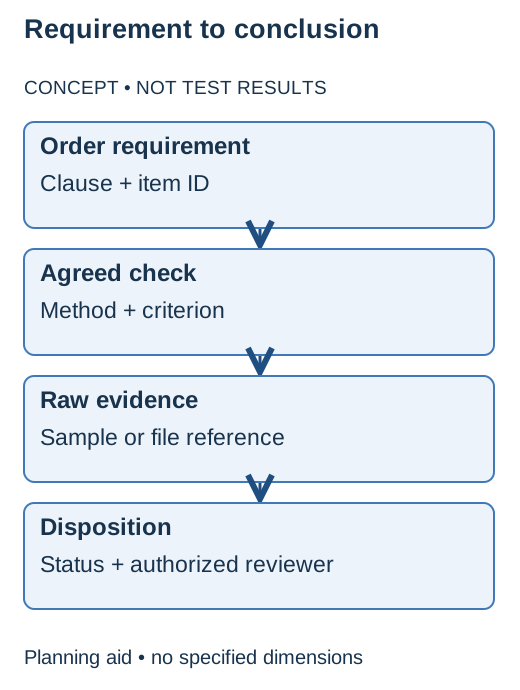
Plan: connect requirements to evidence
Give every acceptance item an identifier and connect it to the order or approved specification. The evidence may be a component inspection, a document review or an operating result, and the categories should stay visible. A printer being present proves the component is installed. A check of print location and readability evaluates a different requirement. Merging both into one tick box makes it hard to see what a signature actually accepts.
Name the record expected for each item before the visit. A weighing assessment needs its raw measurements. A tooling inspection needs identifiable components. A changeover demonstration needs a defined starting and ending condition. Photographs should carry the same item identifiers. A simple map like this gives the buyer a practical agenda, and the session is not dominated by whichever demonstration happens to be easiest on the day.
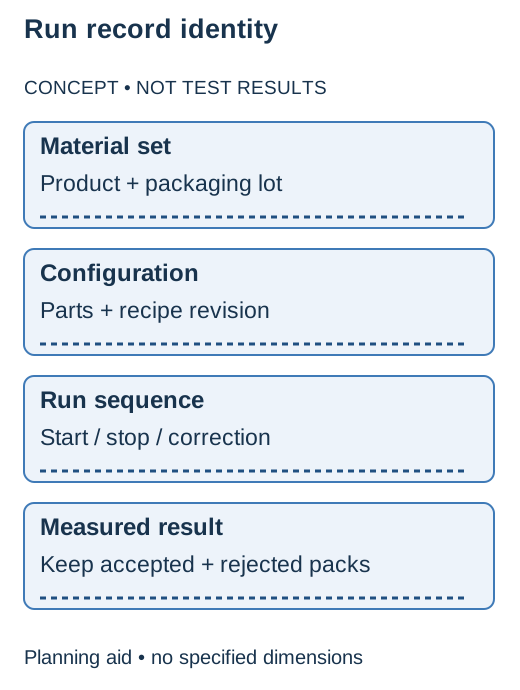
Execute: measure packs and operating work
Log the start and finish times, the settings and the interruptions. Count accepted and rejected packs separately, and explain how each category was decided. Observe weight, seal appearance, coding and product condition by the agreed methods. The peak cycle rate on the display is a different number from the rate of accepted packs over a recorded period.
Include the ordinary operating events: replenishment, a planned stop, a restart and, where relevant, an agreed format change. Let the intended users try the access and routine tasks. Safety-related checks must follow the approved equipment procedures and be carried out by appropriate personnel. Guards and interlocks stay in place, even to keep a demonstration running or to get a clearer camera angle.
The relevant operators should walk through material replenishment, recipe selection and routine recovery using the applicable instructions. Maintenance staff should review the accessible identification points and the supplied maintenance documentation. These observations expose missing information that a continuous short run might conceal. They have to stay inside the agreed procedure, because acceptance is no reason to improvise unsafe access to moving components.
For a multiple-format order, note the parts removed and installed during the demonstrated transition, and how the new setup is checked before production resumes. If only one format is demonstrated, state that limit in the acceptance record. A bagger that runs with one tooling set has not shown every size mentioned in a commercial discussion, or every product the buyer may introduce later.
Complete the observation record
This blank requirement-to-evidence record is a buyer preparation aid, not a promised factory procedure or a signed result. Complete the requirement and order reference first. Add the actual material and configuration when the check is performed, keeping substitutions visible. Record the agreed criterion without replacing it retrospectively with a favorable observed result. Link the raw file or sample before assigning a status. For an open item, name who supplies the missing evidence and who can accept it. Keep corrective work and any repeat run linked to the original entry. Shipment release follows the project agreement rather than the appearance of a completed online checklist.
| Field | Your record | Keep with this record |
|---|---|---|
| Requirement ID | ________ | Record the source, identity or agreed method. |
| Order clause / drawing revision | ________ | Record the source, identity or agreed method. |
| Material set / actual configuration | ________ | Record the source, identity or agreed method. |
| Measurement method | ________ | Record the source, identity or agreed method. |
| Agreed acceptance criterion | ________ | Record the source, identity or agreed method. |
| Actual evidence / sample or file ID | ________ | Record the source, identity or agreed method. |
| Status: open / accepted / further work | ________ | Record the source, identity or agreed method. |
| Responsible owner / acceptance authority | ________ | Record the source, identity or agreed method. |
| Follow-up action / closure evidence | ________ | Record the source, identity or agreed method. |
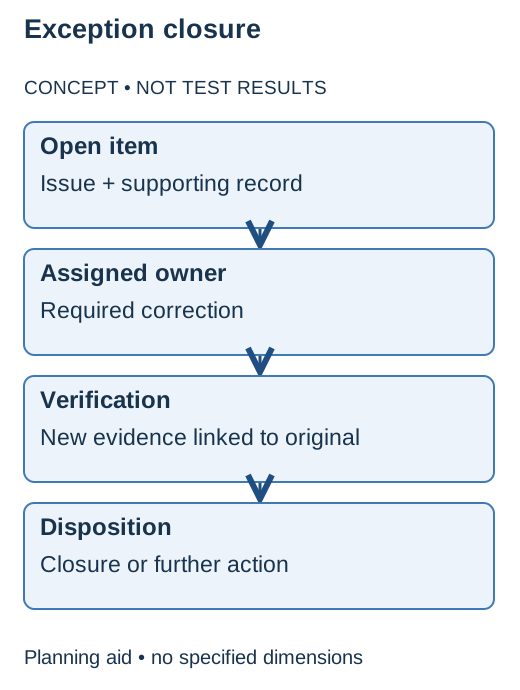
Execute: preserve interrupted and substituted runs
An acceptance run may stop because material is unavailable, a setting needs correcting or a fault appears. Agree how the interruption will be recorded and whether the run restarts or carries on. Keep the original sequence. Resetting the record until it looks uninterrupted defeats the purpose. A corrected result can be acceptable, but the correction and its verification belong in the evidence file.
If the agreed production film is not available, say which checks can still be completed and which stay conditional. The same applies to substitute product and missing downstream equipment. A partly completed trial is not a full pass just because the machine ran. Give every deferred item an owner and a defined way to close it, so shipment decisions are made against the work that actually remains.
Close: resolve exceptions and release responsibilities
Record actual results, interruptions and anything that was not tested. Each open item needs a responsible party and an agreed next action. Keep the configuration, settings and sample evidence with the signed record. Factory acceptance and site startup answer different questions, so agree the site checks too. One session will not cover both.
For every exception, record the issue, the evidence, the responsible party and the agreed next step. A minor documentation correction is not the same as a performance question that needs another run. Link photographs, samples and raw measurements to the test item they belong to. A signature on a summary sheet means much more when the supporting record shows what was actually inspected.
Work out which checks will be repeated after installation, and which depend on factory utilities or upstream equipment that were not present. Factory acceptance does not by itself verify the complete process at the customer's site. Keep the accepted scope, the remaining actions and the release conditions together. Shipment and installation decisions then use the same evidence, not separate informal conversations.
Close each requirement with a clear status and a reference to the supporting evidence. An unresolved documentation item, an untested option and a failed operating criterion call for different next actions. So do not bury them in one general remarks field. Discuss whether a correction needs photographs, a revised drawing, an extra measured run or a later site check, and record who can approve that evidence.
Keep the signed result with the exact configuration revision and the open-item list. Commercial release and shipment decisions follow the project agreement and the authorised representatives. A generic online checklist cannot set those terms. After installation, use the factory record as a baseline for the agreed site checks. Differences in utilities, materials or connected equipment should be explained, so both parties can tell a changed condition from an unresolved factory issue.
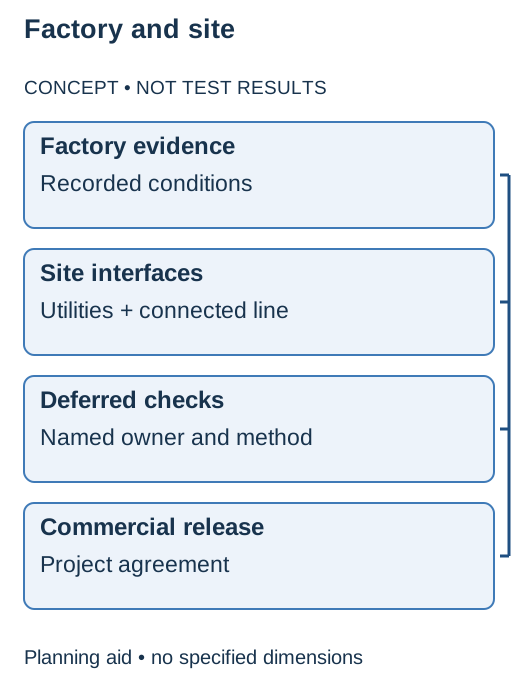
Close: retain a usable acceptance file
Store the final protocol, evidence index, configuration list and open-item record together. Give photographs and measurement files stable names that include the test identifier. Note where retained physical samples will be held and how long the project team plans to keep them. These details matter when a later discussion involves different people. A new production or maintenance colleague should be able to understand the tested condition from the acceptance file, without reconstructing it from scattered messages, unnamed videos or a summary signature page.
Method and scope of this guide
This revision of Packaging Machine FAT Checklist organizes the existing published review points into a buyer preparation record. The diagrams illustrate requirement to conclusion, run record identity, exception closure, factory and site. They contain no measured trial results, approved engineering dimensions or acceptance thresholds. The empty record fields are prompts for project evidence, not a completed inspection. Source: the existing guide and the published Configuration Review and Sample Testing service descriptions, accessed October 8, 2026. Before sending physical samples, confirm receiving arrangements, quantity and costs. Keep any recommendation tied to the supplied material, proposed configuration and outstanding questions.
Frequently asked questions
Can substitute film support a full acceptance pass?
Identify which agreed checks the substitute actually supports. Keep production-material checks conditional or deferred with an owner and closure method.
How should a restart or repeat run be documented?
Preserve the original sequence, interruption reason, correction and new run identity. Follow the agreed protocol for restarting or continuing the measurement window.
What is left for the customer’s site after a factory test?
Agree checks affected by actual utilities, upstream and downstream equipment, material handling and installation conditions. The factory record is a baseline for those comparisons.
Does signing the FAT record authorize shipment?
Acceptance disposition and shipment release follow the project agreement and authorized representatives. A signature does not replace unresolved release conditions.
Explore the Equipment
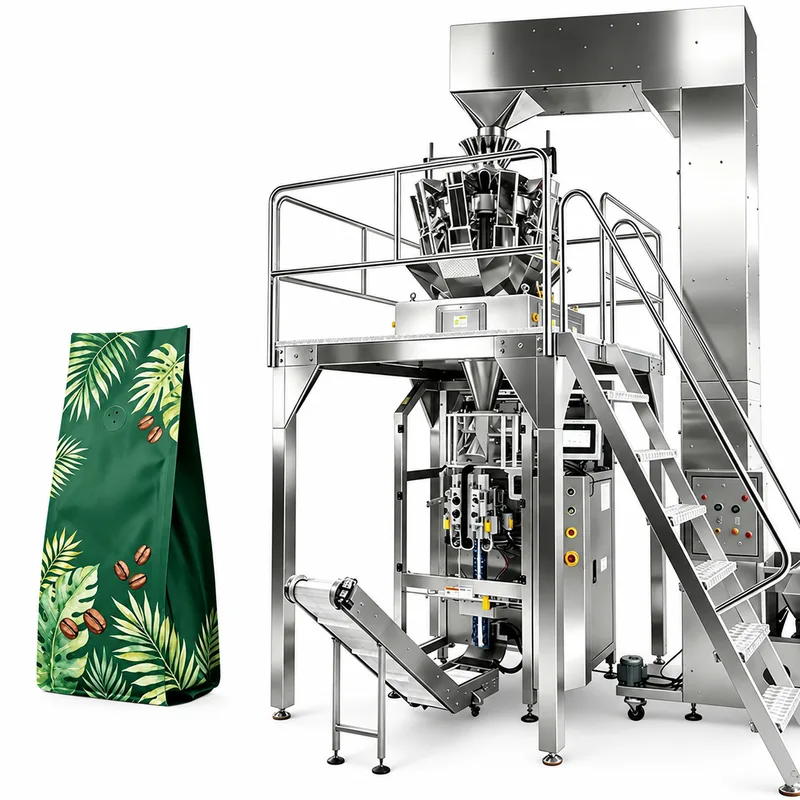
Vertical Form Fill Seal
Coffee Bean Valve-Pouch Packaging
A misplaced or poorly attached degassing valve can spoil a run of coffee bags. Specify this weigher and VFFS valve line from your valve drawing, film, roast and weight.
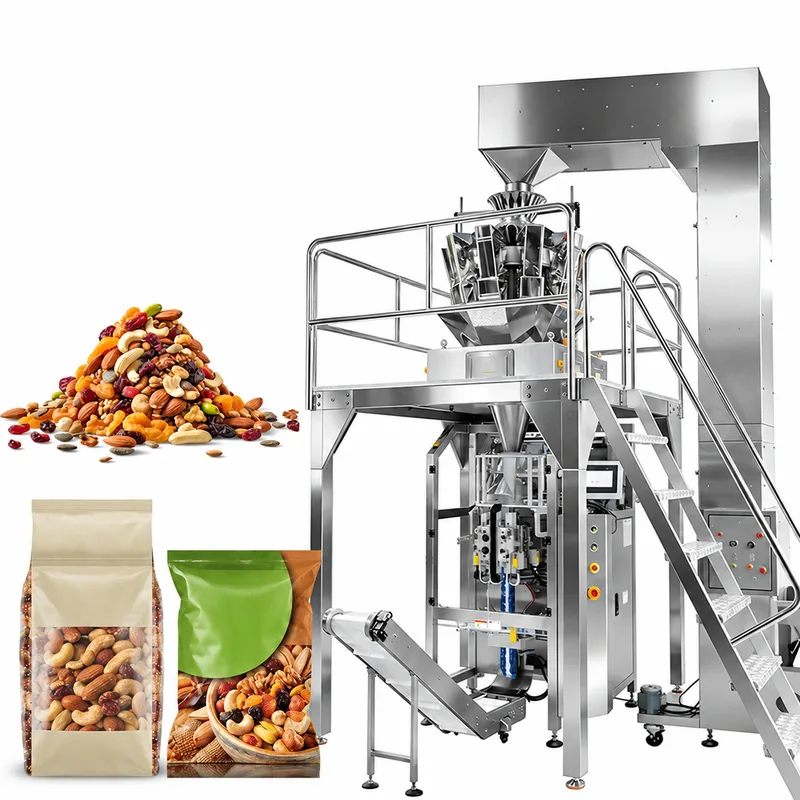
Vertical Form Fill Seal
Nuts & Dried Fruit Multihead VFFS
A nut-mix bag can be on weight and still hold the wrong ratio of ingredients. Configure this multihead VFFS line from your blend, coatings, target weight and bag size.
What to send us
| Item | Why we need it | Example format |
|---|---|---|
| Order, drawings and included-equipment checklist | Map the agreed purchase scope to the review. | Order clause list + drawing / equipment revisions |
| Defined product and pack test matrix | Identify the combinations and substitutions under evaluation. | Product ID / pack revision / configuration matrix |
| Measurement methods and acceptance authority | Define which measurements decide acceptance and who approves. | Protocol: method / criterion / authorized reviewer |
| Exceptions, owners and follow-up checks | Keep exceptions traceable through closure. | Issue ID / raw evidence / owner / next action |
We reply within 24 hours.