
Packaging Film Requirements
Calling a film only “plastic” or “foil” leaves compatibility questions unanswered. Review its specification, reel identity and sealing conditions before comparing machine results.
| Input or item | Value or source | Why it matters |
|---|---|---|
| Structure and thickness | Converter specification | Identify the actual material |
| Reel and print | Roll label and artwork revision | Check transport and registration |
| Sealing surfaces | Supplier construction sheet | Define the surfaces being joined |
| Trial lot | Production-representative reel | Keep results tied to one material |
| Test responsibility | Agreed package review plan | Separate running checks from product claims |
Choose the next review for your project
Takeaway: Identify the material revision before comparing its running result with a different reel. Use the linked guides to prepare geometry, trial and change-control inputs.
On This Page
Identify the material and intended package
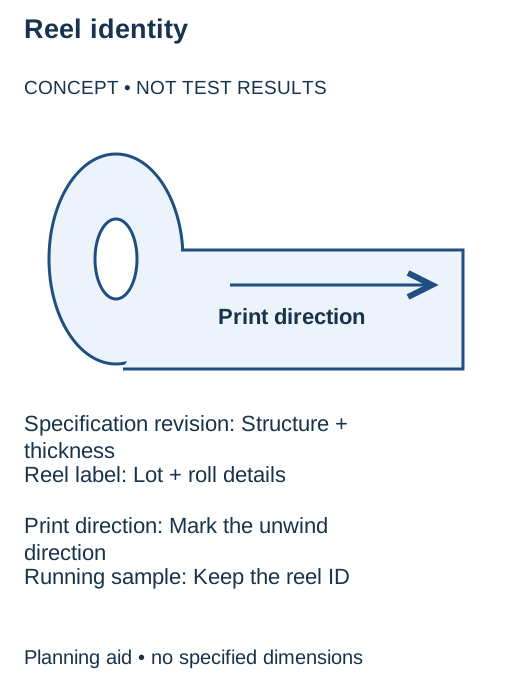
Terms like "laminated film" or "recyclable film" are too loose to configure a packaging process. Get the converter's specification for the real structure, thickness, sealing surfaces and intended application. Note the revision and the lot supplied for trials. Two materials sold under similar descriptions can behave differently in forming, transport or sealing. That is why the equipment review should use the production material, or an equivalent that is clearly identified.
Begin by separating what the package must do from what the machine must handle. Product protection, distribution and consumer use set the package requirements. The film path, the seal arrangement and the operating cycle set the equipment requirements. Both sides have to agree on a material that works. A film can pass a laboratory seal test and still need an on-machine trial, because tracking and package formation only show up on the machine.
Review transport and sealing together
Send the review team the actual material you plan to run in production. They need to judge forming, film movement, artwork alignment and sealing as one system, and a film that looks the same can still need a different evaluation. If a demonstration used one material, record which one. That result does not carry over to every laminate from the same supplier.
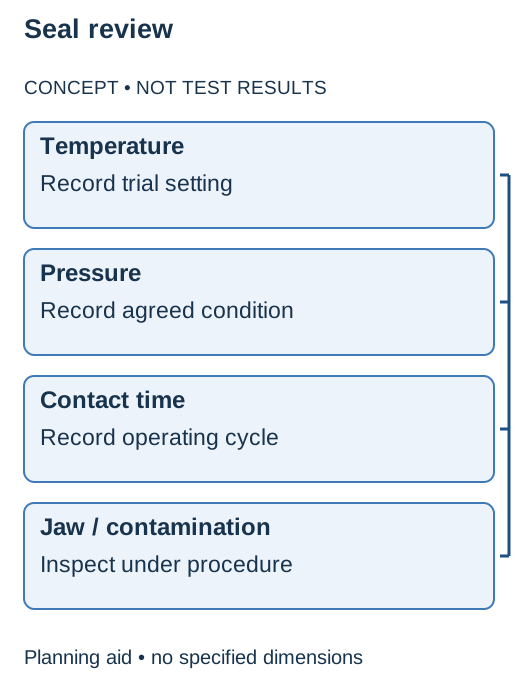
The material supplier and the equipment team should work out compatible sealing conditions through trials. Temperature is only one setting. Pressure, contact time, jaw condition and contamination matter as well. A number on the operator screen does not prove a sound package. Decide in advance how the finished seals will be assessed and who interprets the results.
Keep startup observations apart from steady running. Film can behave differently after pauses and restarts than in an uninterrupted demonstration, so check both. Note wrinkles, distorted graphics, cut positions that wander and product caught in the sealing zone. Those notes help you tell a material problem from a transport, timing or filling problem. Without them it is easy to blame the film or to raise the temperature across the board.
Assign evidence to each packaging question
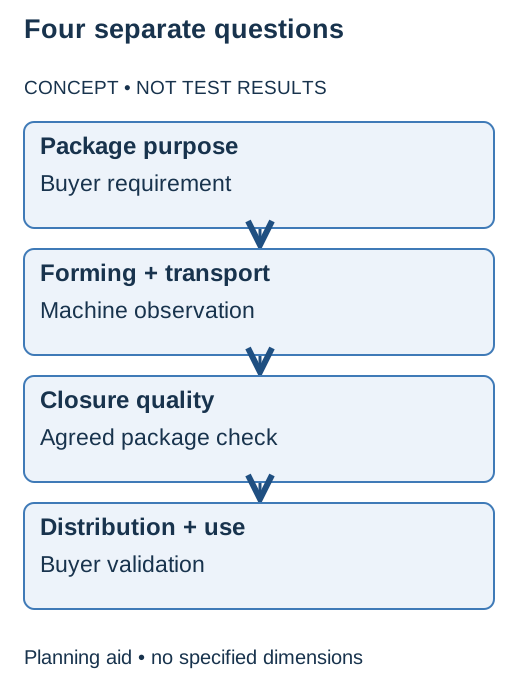
Four questions need answers. Does the proposed package protect and present the product as required? Can the material be formed and carried through the equipment? Can the chosen sealing arrangement make acceptable closures? Does the package stay suitable through distribution and use? A good answer to one does not settle the others.
Give each question an owner and a source of evidence. The converter may supply material information, the equipment trial can show runnability, and the buyer's quality process can assess the finished product and package. Keep these pieces connected, but no single party's sales description amounts to full validation. That matters most when a new material is introduced for a commercial or environmental goal.
Record the exact material behind each result. If a supplier sends several sample reels, label them distinctly and keep their measurements apart. Save the reel labels and the accepted packs. Later, when the team discusses a wrinkle or a seal observation, you should be able to say which structure and operating condition produced it. Clear sample identity often saves more investigation time than an elaborate report with poorly labelled samples.
Complete the observation record
Use one copy of this record for each of the four questions: product protection and presentation, forming and transport, closure formation, and distribution or use. Write the objective before adding results. In the supplier-document field, identify the specification revision rather than pasting a material nickname. In the observation field, refer to a retained pack or a dated machine record. The buyer-validation field identifies the separate evidence needed to decide the package requirement. Leave a result blank if it was not evaluated, and name the outstanding check in the review file. This arrangement keeps a successful tracking observation from silently becoming approval of a storage claim.
| Field | Your record | Keep with this record |
|---|---|---|
| Package objective | ________ | Record the source, identity or agreed method. |
| Film supplier document / revision | ________ | Record the source, identity or agreed method. |
| Machine observation / sample ID | ________ | Record the source, identity or agreed method. |
| Buyer validation / responsible person | ________ | Record the source, identity or agreed method. |
| Material lot / record version | ________ | Record the source, identity or agreed method. |
Investigate a material change
Say a replacement film starts tracking differently while the product and bag size stay the same. Compare the supplied specification and reel condition with the approved material. Review the setup with the equipment supplier and write down each change. Avoid altering tension, temperature, speed and filling timing all at once unless the approved troubleshooting procedure says to. Otherwise you cannot tell which change helped.
Look at the finished bag while you watch the machine. A setting that fixes tracking may leave a sealing or presentation problem untouched. Keep separate notes for registration, folds, cuts and closure quality. Sometimes the material cannot meet every required condition in the intended process. Report that limitation. Picking the one result that looks best hides the problem.
Once you find a workable condition, repeat the relevant checks with ordinary stops and replenishment. The aim is a usable operating condition, not a brief moment when the pack looks acceptable. Test duration and sampling depend on the project, so the responsible teams should agree them rather than copy a plan from an unrelated article.
Control purchasing and receipt
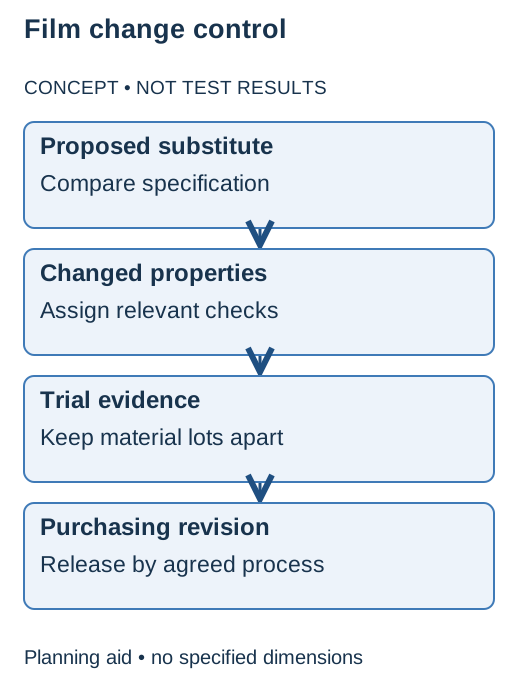
Keep three things: the approved film specification, a label from a sample reel, and accepted packs from the trial. A converter may propose a structure change. Look past the commercial description and find out which properties changed and which machine or package checks need repeating. A replacement film that looks similar does not inherit the old film's preservation, recyclability or food-contact claims.
On the purchasing side, define how reels are identified and how changes are communicated before delivery. Put the required drawing, print orientation and packaging application into the order. With a controlled specification, production staff can spot an unexpected substitution and ask for advice before they use up a large batch. What you are after is a film and machine combination that makes acceptable packages across the intended operating conditions.
The purchase order should refer to the approved structure and drawing revision, not only a trade description. Agree how substitutions or changes will be communicated. On receipt, make the packaging lot identity available to production records. That lets the factory connect a later problem to the material actually used, instead of assuming every reel in storage is identical.
Keep the final trial report with the material specification and setup instructions. If a new bag size, product or sealing feature comes in, review which parts of the earlier evidence still apply. Material control continues through production. A successful first trial is where it starts.
When machine evidence does not establish a packaging claim
A successful run shows how the machine and pack behaved under the recorded conditions. It does not verify an environmental label, a migration statement or a food-contact claim. Those need their own documentation from the responsible material supplier and reviewers. Store it with the approved specification and keep it clearly separate from the machine trial. A production photograph or a clean-looking seal cannot stand in for a claim that needs a different kind of assessment.
Method and scope of this guide
This revision of Packaging Film Requirements organizes the existing published review points into a buyer preparation record. The diagrams illustrate reel identity, seal review, four separate questions, film change control. They contain no measured trial results, approved engineering dimensions or acceptance thresholds. The empty record fields are prompts for project evidence, not a completed inspection. Source: the existing guide and the published Configuration Review and Sample Testing service descriptions, accessed October 8, 2026. Before sending physical samples, confirm receiving arrangements, quantity and costs. Keep any recommendation tied to the supplied material, proposed configuration and outstanding questions.
Technical Reading
- Winpak: Vertical Form/Fill/Seal Films — A film manufacturer describes materials for vertical packaging applications; not a specification for this equipment.
Frequently asked questions
Can a film with the same material name replace the approved film?
Compare the actual structure, sealing surfaces, reel details and revision. Ask which machine and package checks need repeating before treating the substitute as approved.
Does a laboratory seal result remove the need for an on-machine trial?
No. Keep the laboratory result, then review forming, tracking, registration and sealing with the proposed equipment and production material.
Who confirms a film change?
Agree responsibilities between the converter, equipment reviewer and buyer’s package-quality team. Record the changed properties and the evidence each party needs.
Does a good-looking seal prove shelf life?
No. Appearance is a process observation. Product storage and package integrity conclusions need their agreed methods and supporting evidence.
Explore the Equipment
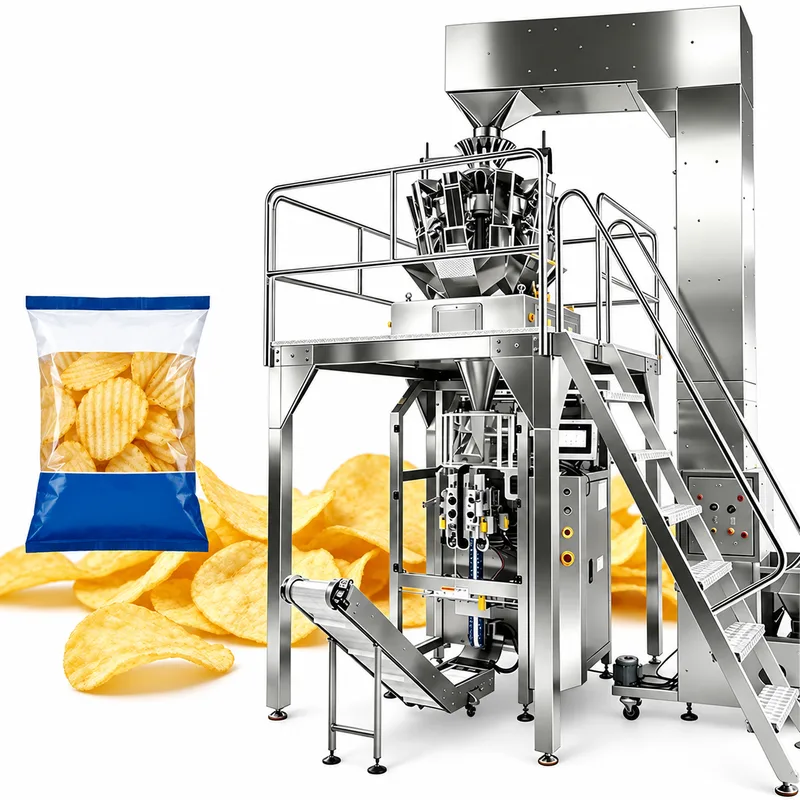
Vertical Form Fill Seal
Chips Packaging with Nitrogen Flushing
An inflated bag can hide broken chips, a short fill or a weak seal. Size this weigher, VFFS and nitrogen-flush line from your chip volume, breakage limit and gas supply.
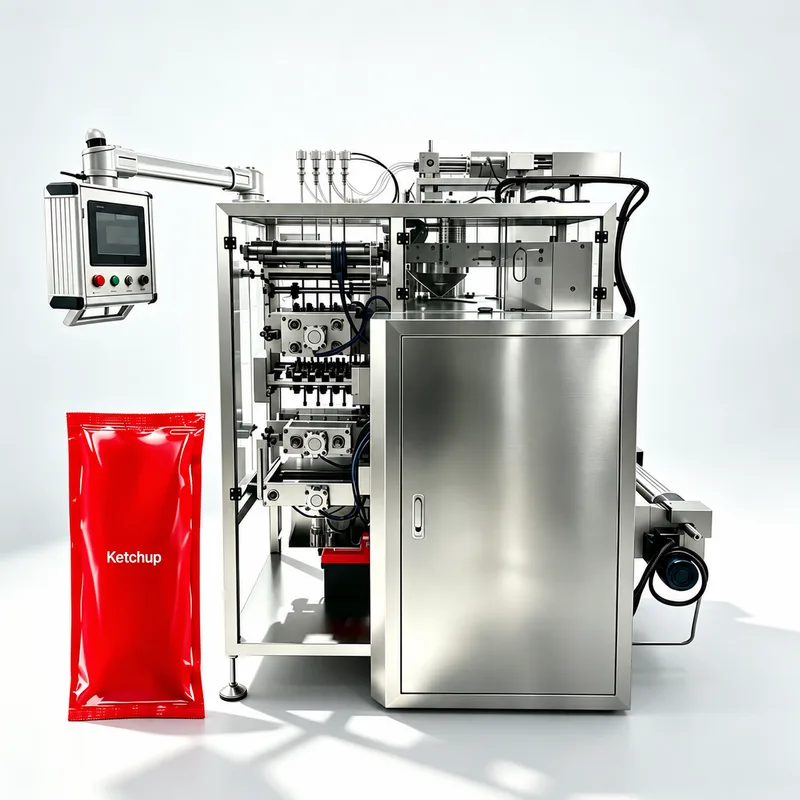
Sauce Sachets
Sauce Four-Side-Seal Sachet Machine
Sauce strings or drips can contaminate the seal area, leading to leaks and rejected sachets. Specify this piston-dosing four-side-seal machine from your sauce, portion, sachet drawing and film.
What to send us
| Item | Why we need it | Example format |
|---|---|---|
| Film supplier specification and roll details | Identify the structure and reel used for the review. | Specification PDF + reel-label photo, revision and lot |
| Print repeat, code area and opening features | Check registration and the finished opening layout. | Artwork PDF with print direction and code area |
| Production-representative sample material | Relate observations to the intended production material. | Sample label: film ID / lot / intended pack |
| Agreed package checks and change control | Assign package decisions and future substitutions. | Review sheet: check / owner / evidence / revision |
We reply within 24 hours.