
Multihead Weigher VFFS Systems
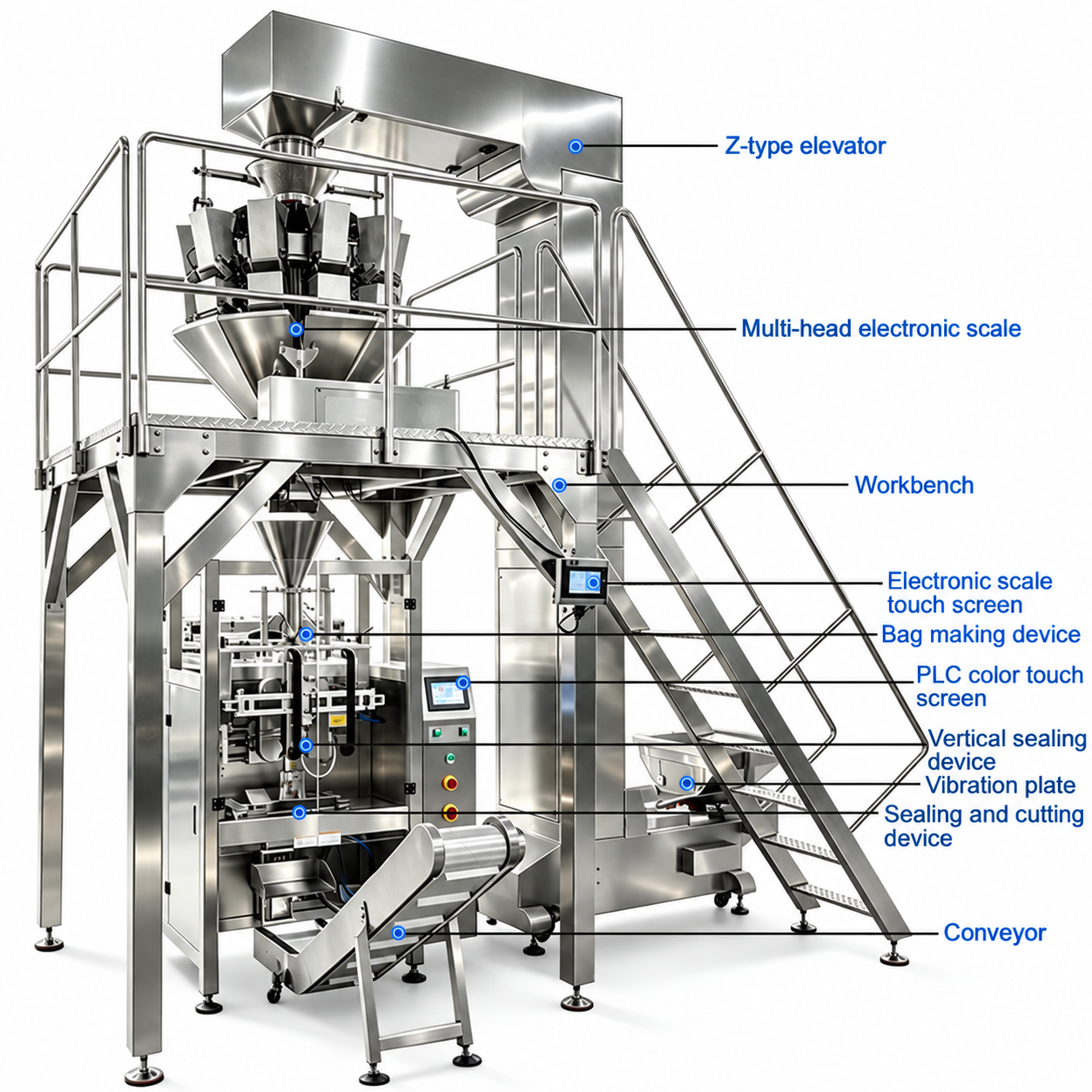
Define the complete path from bulk product to a weighed, formed and sealed bag, including the equipment that joins each stage.
On This Page
Specify more than the bagger
A multihead VFFS proposal combines product feeding, combination weighing and a vertical form fill seal machine. An elevator, platform and discharge conveyor may be separate quotation items. Get a component list that shows what is supplied and what you must provide. Then check the whole arrangement against your product and the floor space you have.
Match the weighing surfaces
Nuts, candy, chips and frozen products create different feeding conditions. Send representative samples, including size variation, coating and production temperature. The supplier should explain how the proposed hopper surfaces, discharge arrangement and product drop will be evaluated. A shared weighing principle does not mean the same contact surfaces or settings suit every material.
Check the interfaces
Identify the handoff from the feeder into the weigher and from the weigher into the forming tube. Look at height, access and signals between the machines. Put the downstream conveyor and any inspection equipment in the layout. Confirm which supplier is responsible for each interface, so a single machine that works on its own is not mistaken for a commissioned line.
Measure line output
Agree output using filled, acceptable bags of the intended product. During the trial, note bag dimensions, target weight and any gas or valve options. Watch replenishment and discharge as well as the bagger cycle. Report exclusions and stops, so a short demonstration does not turn into an unconditional production guarantee.
Explain the combination-weighing decision
A multihead weigher spreads product among weighing hoppers and picks a combination to discharge toward the target pack weight. Head count in a quotation is only part of the story. How the product is distributed and released matters just as much. Small free-flowing nuts, broad chips and sticky candies each push on the feeders, surfaces and hopper geometry differently. The catalog gives examples for each group, with configuration choices that depend on the material.
Describe piece dimensions, coating, moisture and fragility in the enquiry. If the product is a mixture, say whether ingredient proportions are controlled before weighing or have to be managed within the overall line. A correct total weight does not show that every ingredient is present in the intended proportion. Put the composition question into the sample evaluation from the start, instead of finding it after the weighing result has been accepted.
Review distribution before adjusting the bagger
Uneven product supply shows up downstream as waiting time, variable discharge or inconsistent bag filling. Watch the incoming feed and the distribution across the weigher during a demonstration. You are trying to see whether product reaches the available weighing positions consistently under the proposed operating conditions. A bagger setting will not necessarily fix a feed interruption. Those start above the weighing system.
Include a normal refill or upstream supply transition in the trial, and note what changes when supply runs nearly empty and when fresh product comes in. For sticky material, check accessible contact surfaces for retention after the run. For fragile material, compare incoming and discharged product using an agreed inspection method. These observations separate product-handling limits from weighing-control adjustments, and they give you a better basis for specifying surfaces, feeders and transfer arrangements.
Coordinate the discharge with the forming tube
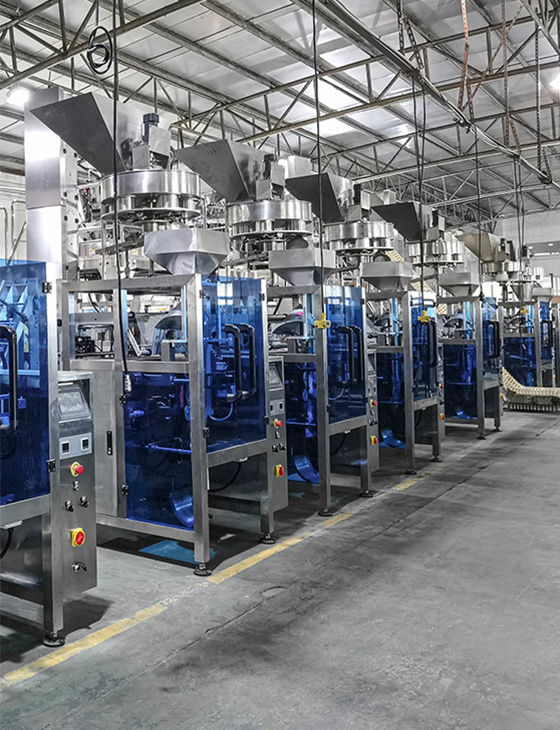
Once a weighing combination is selected, the dose has to travel down the discharge path and reach the forming bag at the right time. Look at the chute and tube for restrictions, ledges or changes in direction that could hold up individual pieces. The right geometry depends on the largest product pieces and the bag opening you want. Review product and package together.
Settle early how the weigher and bagger exchange ready, discharge and fault signals. During a planned pause, work out where a released dose would be held and how the next cycle is kept from causing a double fill. The supplier should demonstrate the exact logic for the quoted configuration. A clear interface description is especially useful when the weighing equipment and the bagger come from different parties or are tied into an existing factory conveyor.
Measure handling losses as part of usable output
A throughput comparison should count product left on the equipment, damaged pieces and rejected packs. For snacks, an impressive bag count can hide a handling outcome that is wrong for the intended presentation. For valuable ingredients, material retained during cleaning or changeover may also matter to the purchase. Decide what gets measured before the demonstration starts.
Keep incoming product, trial output and retained samples identifiable. Where breakage matters, agree beforehand how fragments will be told apart from acceptable pieces, and do not change that rule after seeing the result. Record machine adjustments separately from material changes. If the demonstration moves to a batch with a different moisture or coating condition, note it. That kind of record is credible. A short video of filled bags is not.
Design access around cleaning and format work
The elevated arrangement typical of a weighing-and-bagging line creates practical access needs. Review how operators reach the feed area, remove approved product-contact parts and inspect the discharge path. The access platform and clearance should be shown on the layout and not inferred from a product photograph. Identify the lifting or handling arrangements needed for heavier components.
Product changeovers can involve more than choosing another weight. Going from plain nuts to sticky dried fruit, for example, may need a different cleaning procedure and a review of the feeding setup. Document which components are removable, which adjustments are operator tasks and which need a technician. The supplier should confirm the permitted cleaning method for the quoted equipment. Stainless steel in a workshop photo says nothing about washdown suitability.
Build a comparison that a purchasing team can repeat
Have each supplier quote against the same product samples, bag drawings and operating assumptions. Separate the weigher, support structure, conveying, bagger, discharge equipment and optional inspection functions in the scope. Then a price difference is easier to read. It may reflect a different machine, an omitted interface or a different reading of the application.
For the final trial, collect weight observations across the run and keep samples for seal and product-condition review. Include a controlled stop, restart and product replenishment. Request a written list of the demonstrated formats and the untested variants. A well-defined multihead VFFS purchase links combination weighing to reliable transfer, suitable packaging and practical operation. Choose the configuration supported by those connected observations for your material, and not the one with the most heads.
- Product sample, weight range and handling concerns
- Complete equipment list and interface owners
- Factory headroom, access and available utilities
What if the bag weight is correct but the mixture is wrong?
Treat this as a composition question before you touch the target weight. Check where the ingredients are combined and whether they separate during storage, elevation or distribution. Collect samples that let the product team compare ingredient proportions, not only total mass. A combination weigher can deliver an acceptable pack weight while the incoming mixture itself varies. The enquiry should say who is responsible for blending and distribution before weighing. If a particular ingredient ratio is a purchasing requirement, include a suitable product-sampling method in the demonstration, because the weight record will not prove it.
Explore the Equipment
Vertical Form Fill Seal
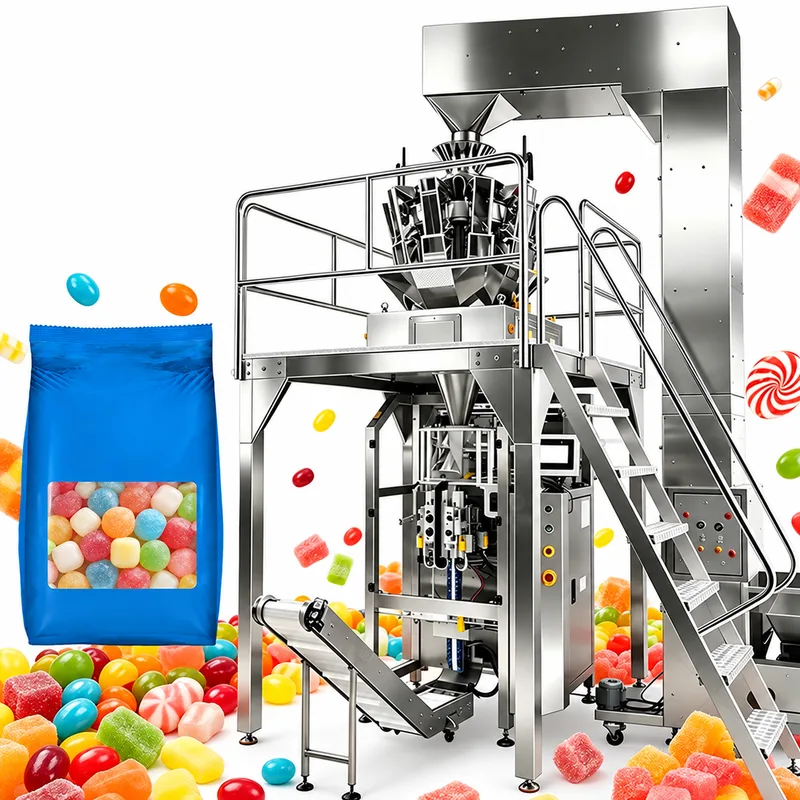
Candy Multihead Weighing & Packaging
A correct bag weight can still hide broken, stuck or wrongly mixed sweets. This multihead weigher and VFFS line is set up around your candy's coating, size and pack.
Vertical Form Fill Seal
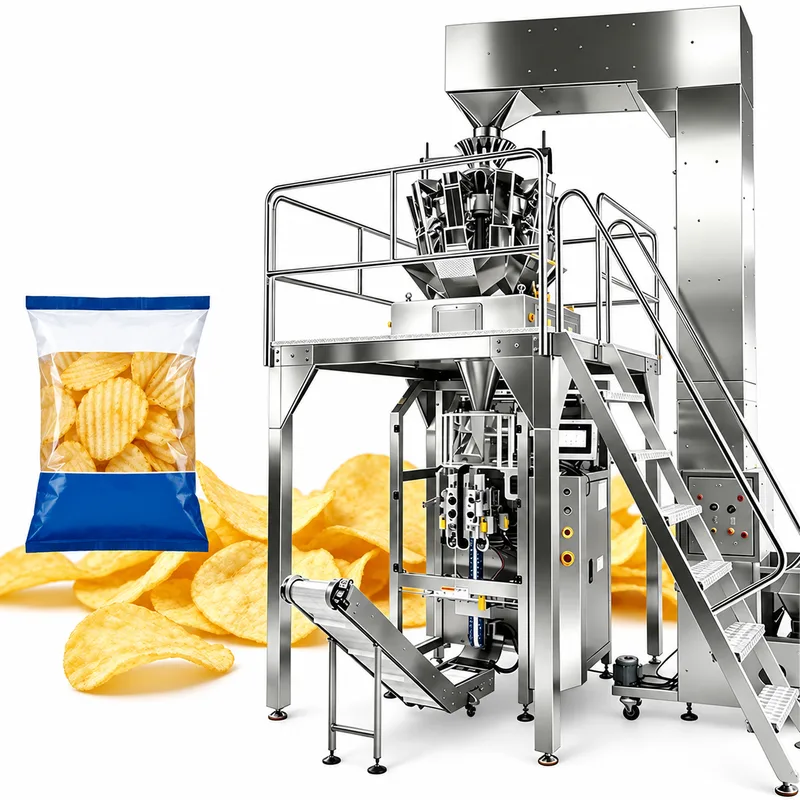
Chips Packaging with Nitrogen Flushing
An inflated bag can hide broken chips, a short fill or a weak seal. Size this weigher, VFFS and nitrogen-flush line from your chip volume, breakage limit and gas supply.
Vertical Form Fill Seal
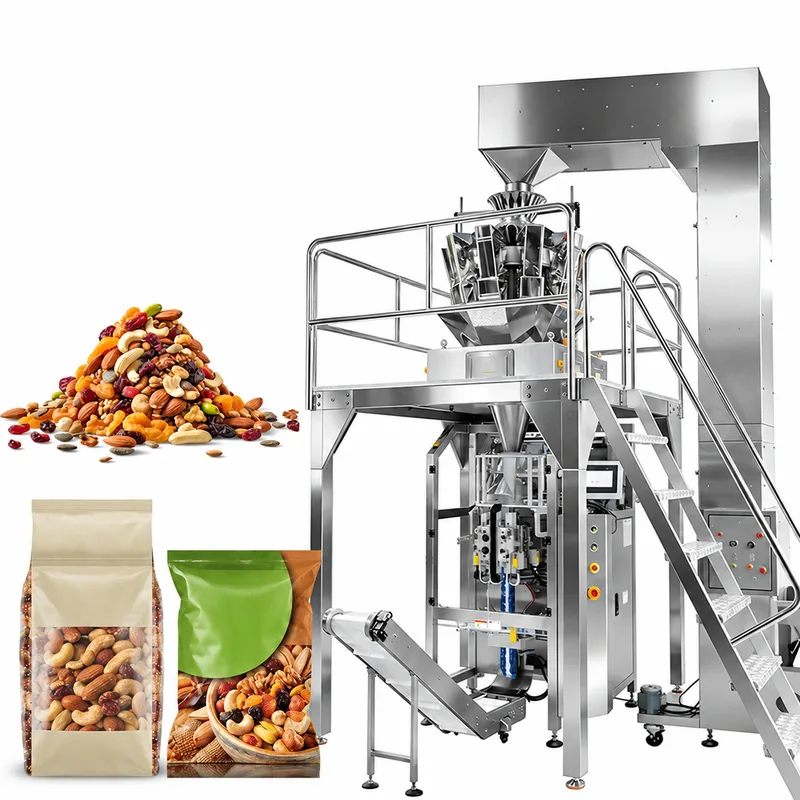
Nuts & Dried Fruit Multihead VFFS
A nut-mix bag can be on weight and still hold the wrong ratio of ingredients. Configure this multihead VFFS line from your blend, coatings, target weight and bag size.
What to send us
| Item | Why we need it | Example format |
|---|---|---|
| Product sample, weight range and handling concerns | Identify the evidence or open question for this review point. | Labeled brief entry + photo/drawing/record reference, or TBD. |
| Complete equipment list and interface owners | Identify the evidence or open question for this review point. | Labeled brief entry + photo/drawing/record reference, or TBD. |
| Factory headroom, access and available utilities | Identify the evidence or open question for this review point. | Labeled brief entry + photo/drawing/record reference, or TBD. |
| Finished-bag output and fill-check method | Identify the evidence or open question for this review point. | Labeled brief entry + photo/drawing/record reference, or TBD. |
We reply within 24 hours.