
Multihead Weighing or Auger Dosing?
The wrong dosing route can miss portions or leave product in the seal. Start with product form, then compare multihead weighing and auger dosing at the finished pack.
| Comparison point | Multihead weighing | Auger dosing |
|---|---|---|
| Published product forms | Multihead: discrete nuts, chips, candy | Auger: powder stick-pack configurations |
| Dose formation | Combine weighed portions | Meter powder through a screw |
| First trial question | Release, breakage and component mix | Dose variation, refills and powder buildup |
| Packaging interface | Observe discharge into the actual bag | Observe outlet timing and seal clearance |
| Changeover | Contact path and retained pieces | Powder residue and dosing parts |
Use the published configuration and related checks
Use these references to connect the review inputs with the published equipment scope and the next decision.
On This Page
Compare the material rather than the machine labels
The published configurations use multihead weighing for discrete nuts, chips and candy, and auger dosing in the powder stick-pack range. A multihead weigher builds a target dose from weighed portions. An auger dosing arrangement meters powder through a screw. Those are different approaches. Neither wins on accuracy everywhere. Product behaviour decides the trial. Whole nuts, irregular candy pieces and lightweight snacks raise handling questions unlike those of a fine powder. A powder that changes density or bridges in a hopper needs its own investigation, so plan one.
Describe the product at filling: particle size, coatings, tendency to compact, and the presence of fine material. For a blend, say whether the components separate during transport. A familiar product name doesn't settle the dosing method. Ground coffee and instant coffee, for example, can need different evaluation even though the retail category is the same.
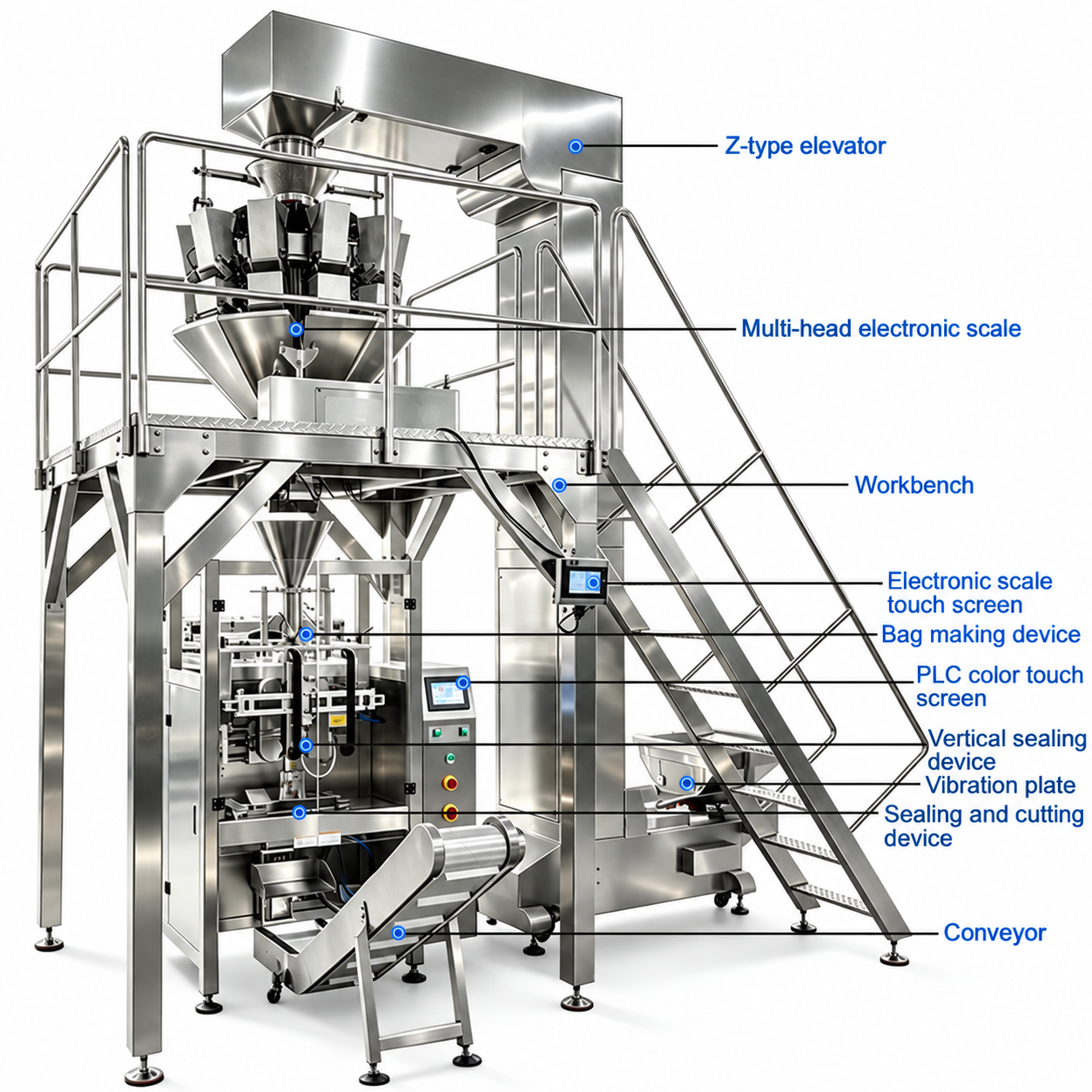
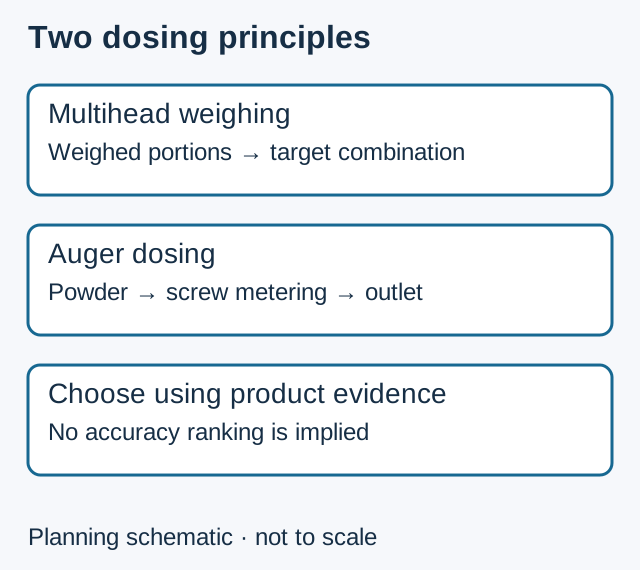
Ask different trial questions
For weighed discrete products, look at feeding, release, damage and fill results. For powders, look at dose behavior, tooling, replenishment and powder near the seals. In both cases the selected package and output matter, so judge the whole proposal against the same finished-product requirement. Comparing the dosing units in isolation misleads you.
Measure what leaves the dosing system
In a weighing trial, inspect the product before feeding and after discharge. A dose can hit its mass target and still contain more broken pieces or a different blend distribution. In a powder trial, record the individual filled weights across the run and mark hopper refills or pauses. A mean value can hide variation. The weighing method and scale resolution should suit the portion size.
Keep dosing performance apart from package acceptance, because material can be measured correctly and still fall too late, dirty a seal or get trapped at the bag opening. Watch the transfer from the dosing outlet to the package. How do the controls coordinate discharge with the bag cycle, and what happens when no acceptable package is ready? That interface is part of what you are buying.
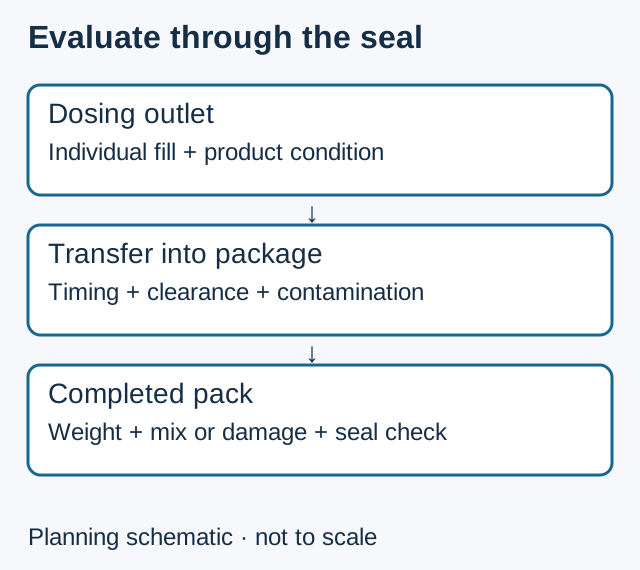
Use a crossover trial for borderline products
If the supplier proposes both methods, give them the same material lot and the same acceptance criteria. Keep the real package volume and product handling requirements in view. Compare cleaning access, product recovery and recipe changes as well as filled weight. A method that looks attractive in a short run may fit badly when the team must repeatedly clear an allergen-containing blend or change small production batches.
Decide SKU by SKU, and record the dosing approach chosen, the evidence behind it and the conditions that would call for a new trial. A change in coating, supplier, grind or formulation may matter even when the nominal fill stays the same. Get the supplier's advice on those changes before ordering replacement dosing components. You want a repeatable dose delivered cleanly into the pack. Whether one technology is always more precise is beside the point.
Copy the trial record for each proposed dosing route and retain the individual observations rather than just a summary average. Use matching sample IDs on the fill result, the product-condition photograph and the pack inspection. Mark the point at which the observation was made: before feeding, after dosing or after the bag was sealed. If a comparison changes the bag or target quantity as well as the dosing method, record that difference explicitly before interpreting it. Keep cleaning work in the same comparison, including what is removed or inspected under the supplied procedure. A missing observation should remain missing, with a request to collect it, rather than becoming an assumed advantage for either technology.
| Record | Entry | Evidence |
|---|---|---|
| Batch and setup | Lot / method / parts / package: TBD | Sampling stage and ID: TBD |
| Target and individual result | Target / units: TBD; single fill: TBD | Measurement method and sample ID: TBD |
| Damage or mixture | Observation: TBD | Before / after transfer reference: TBD |
| Seal and discharge | Timing / contamination: TBD | Finished-pack photo or check: TBD |
| Cleaning and change | Work / retained material: TBD | Procedure and configuration: TBD |
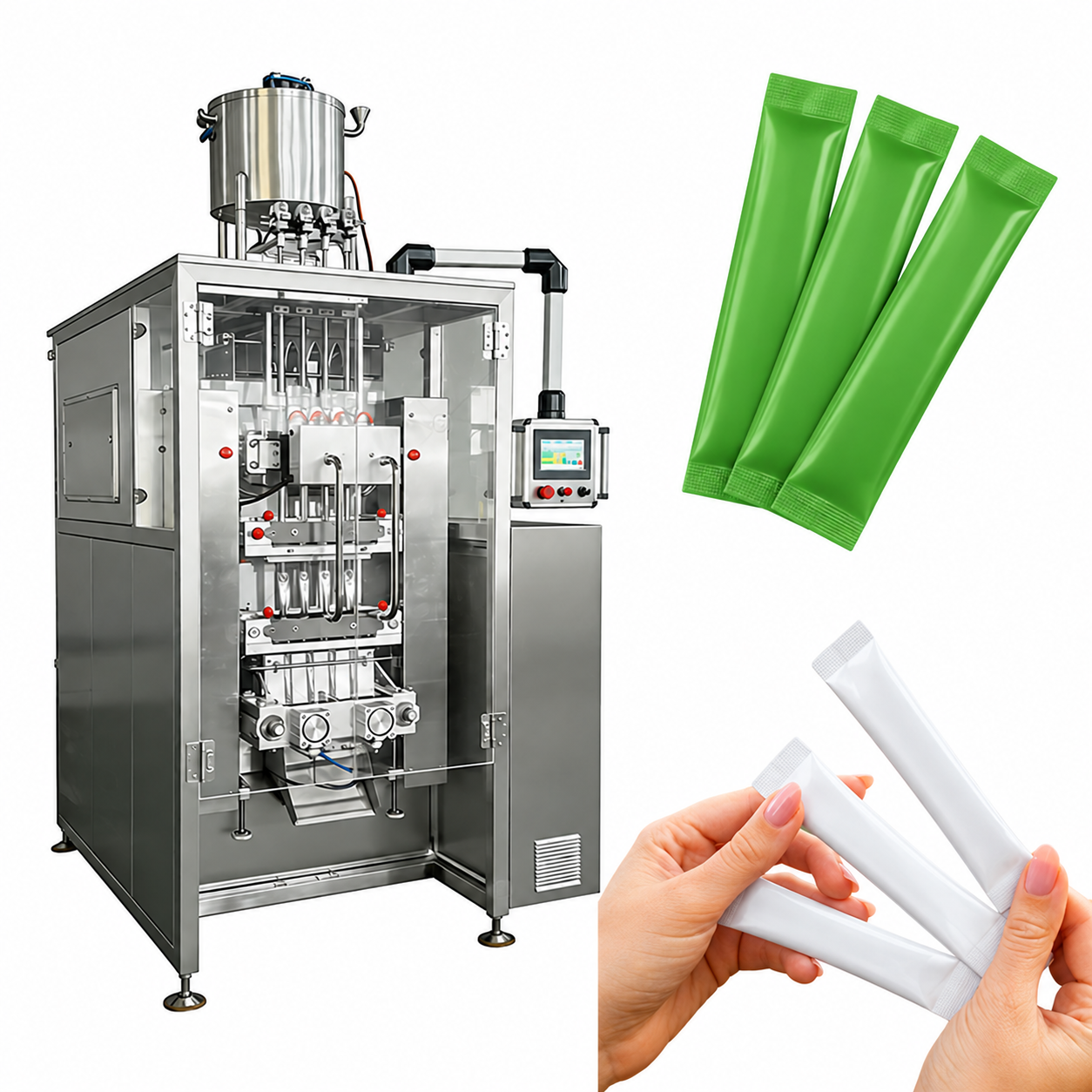
Interpret accuracy in the context of the product
Find out what a supplier means by accuracy. Ask how the result was calculated. Average filled weight, the spread of individual weights and the number of packs outside an agreed limit answer different questions, so keep them apart. A result from a large portion doesn't describe a small portion. A result from one material doesn't transfer automatically to a powder with different flow behaviour.
For discrete pieces, compare one piece's mass with the target. You may also care about piece count, visual mix or the proportion of ingredients. A weight record doesn't verify those. State the commercial requirement clearly and ask how the proposed method will be evaluated against it. If dosing alone can't meet the requirement, name the upstream preparation or product specification that also needs attention.
For a powder, separate the target entered into a control recipe from the physical behaviour seen during the run. How is the setup established and checked when the material changes? Keep the individual measurements from startup and after replenishment. If an adjustment improves the average but increases variation, the full record should show that tradeoff. Reporting only the more flattering number hides it.
A practical comparison for a mixed product range
Imagine a business packing whole nuts in one SKU and a drink powder in another. Both fill by weight. Mechanically they are unlike. The nut project needs a review of piece handling and blend distribution. The powder project needs a review of flow, dosing consistency and dust near the seal. Those differences can justify separate equipment arrangements, even when the buyer would prefer one common platform.
Now take a granular product near the boundary between the two methods. Provide its real particle distribution and samples instead of forcing it into a marketing category. Each supplier should explain the expected material path and the trial that would show suitability. Compare results at the package, including product condition and sealing. Stopping at the dosing outlet is too early.
Record the cleaning and recovery steps. Do it for both proposals. A small residual quantity can matter in a short batch or during a formulation change. How much depends on your process, so it is no universal argument for either dosing technology. Put the operating schedule into the technical talks. A good continuous trial can otherwise hide an impractical changeover sequence.
Turn the result into a controlled configuration
The approved record should name the product, fill, contact components, settings and package used in the trial. Add the method used to measure results and any conditions still untested. Give the operator a defined procedure for checking the setup, since a general assurance that the machine is precise doesn't do that job. Maintenance staff also need correct component identification when they request replacement parts.
When the product supplier or formulation changes, compare the new material with the trial basis. Decide which checks need repeating before the revised product goes into normal production. The dosing decision then lasts. It records why the configuration worked and gives you a clear route for evaluating a future change.
Method and sources
This revision reorganizes the existing multihead weighing or auger dosing? guidance and the linked published configuration descriptions, reviewed on 8 October 2026. The blank records and diagrams are planning aids, not customer results or independently verified equipment tests. Questions below come from the existing page’s buying questions and the 8 October editorial review, not a claimed survey or search-frequency dataset. This is a public-information comparison of routes in our offered catalog, not a test conducted for this article. Confirm sample arrangements, quantities and costs before sending material.
Frequently asked questions
What does accuracy mean in a dosing quotation?
Ask whether it means average fill, variation among individual fills or packs outside a limit. Keep portion size, product and measurement method with the result.
What if a granular product falls between the two routes?
Supply its actual particle distribution and sample lot. If both methods are proposed, compare them against the same package and acceptance criteria.
Does an acceptable weight establish the right blend proportions?
No. A total-weight record does not establish ingredient distribution, piece count or breakage. Record those separately when they affect acceptance.
Is a correct dose enough to approve the package?
No. Observe the outlet-to-bag transfer, product at the opening and seal cleanliness. The dose may be correct while the completed pack is unacceptable.
Can a large-portion accuracy result represent a small portion?
Keep results attached to the tested portion and material. Ask for evidence at the intended fill rather than transferring the larger-portion result.
What changes require a setup or trial review?
Compare changes in formulation, coating, grind, product supplier or packaging with the approved basis. Identify the checks affected before treating the revised SKU as covered.
Explore the Equipment
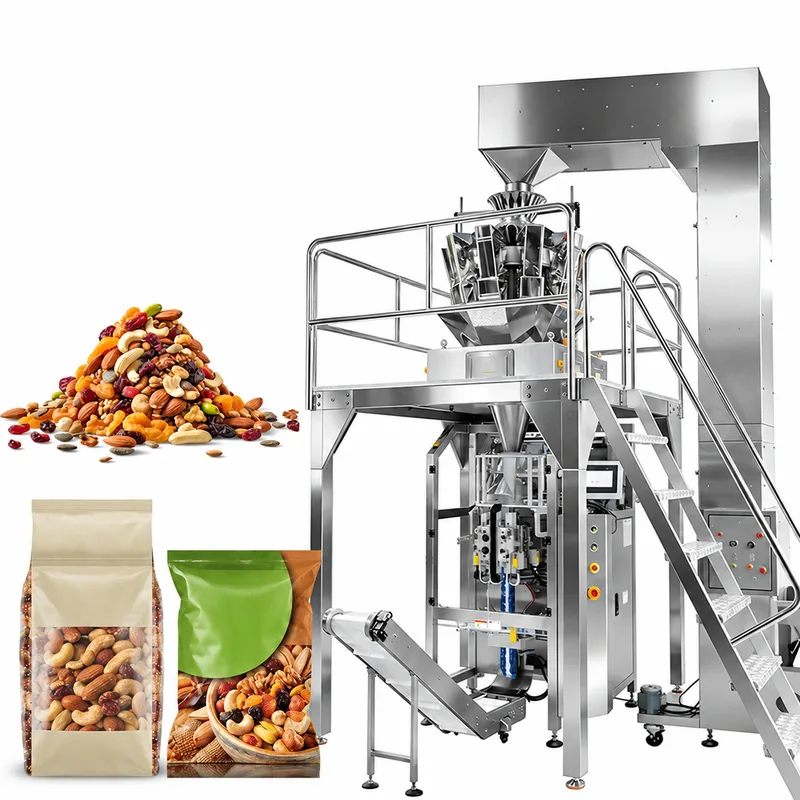
Vertical Form Fill Seal
Nuts & Dried Fruit Multihead VFFS
A nut-mix bag can be on weight and still hold the wrong ratio of ingredients. Configure this multihead VFFS line from your blend, coatings, target weight and bag size.
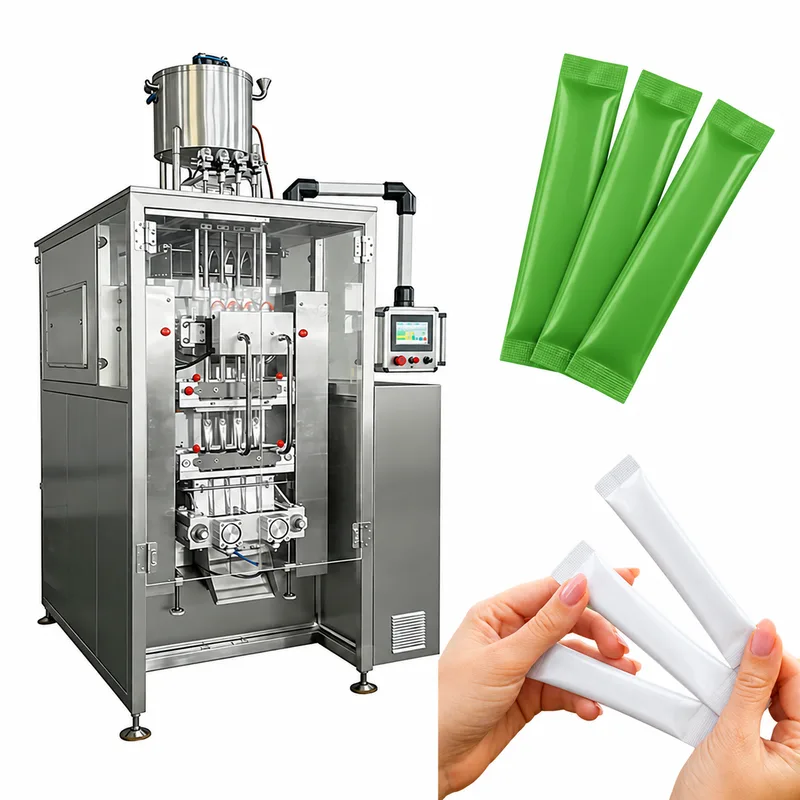
Multi-Lane Stick Packs
Four-Lane Collagen Stick-Pack Machine
Four lanes can hide one lane that under-doses. Specify this four-lane collagen stick-pack machine from your powder density, serving weight and stick size, and sample every lane.
What to send us
| Item | Why we need it | Example format |
|---|---|---|
| Product form and representative samples | Show how the material behaves at filling. | Product / lot / particle or powder description |
| Fill range and pack dimensions | Define the quantity and actual package interface. | Fill targets + pack drawing revision |
| Handling or powder-trial questions | Choose the product-specific observations. | Trial log: weight / damage / dust / seal |
| Configuration limits and changeover parts | Keep the proposed scope and later changes explicit. | Configuration and contact-part list + change schedule |
We reply within 24 hours.