
Vacuum Bag Packaging
Plan the target vacuum-pack shape, product handling and trial evidence before selecting a vertical vacuum packaging configuration.
On This Page
Describe the intended filled shape
Start with a sample or drawing of the result you want: how tightly the film should follow the product, the overall shape and how the pack will be displayed or stacked. Dried fruit, nuts and coffee can behave differently when compressed. Say which appearance and product-damage outcomes matter. Demanding "the strongest vacuum" without a defined acceptance method gets you nowhere.
Confirm the complete packaging sequence
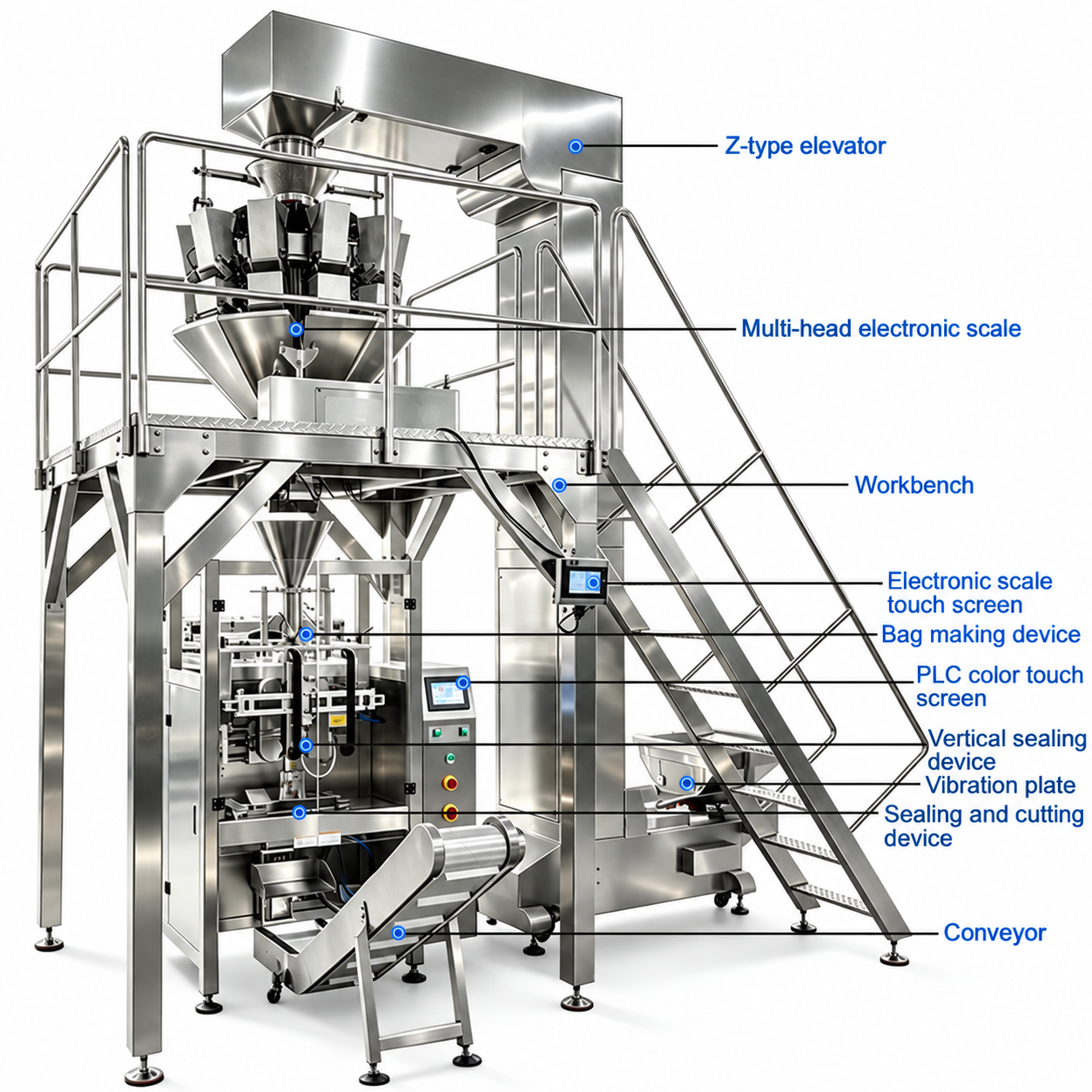
The source-backed range includes a vertical vacuum configuration and a vacuum/nitrogen-cycle option. The proposal should show the forming, filling, extraction and sealing steps, including any equipment outside the base bagger. The required sequence and cycle settings must be confirmed for your product. Another machine in the same workshop is not automatically equivalent.
Choose film through a material review
Give the film construction, bag dimensions and details of the storage and handling conditions. The machine supplier and the packaging supplier should review forming and sealing requirements together. Barrier performance and package integrity depend on the material and the finished pack as well as the machine. Shelf life cannot be concluded from a vacuum setting or from one good seal.
Agree the trial measurements
Inspect consecutive packs for appearance, seal condition, damage to the contents and behavior after the agreed observation period. If vacuum or residual-gas measurements are required, agree the method and record the test conditions. The report should name the actual product, film and configuration. Later changes can then be judged against the same basis.
Choose the filled appearance before the flat dimensions
Vacuum packaging can give a bag that closely follows the shape of its contents, so the filled condition matters from the start. Define the appearance you want, how closely the bag should conform and how easily it empties. For dried fruit, the source-backed configuration is a relevant equipment starting point. Product moisture, stickiness and piece shape still need review.
Send a filled reference sample if you have one and explain which features matter. Develop the flat bag drawing around that target. The drawing is not the only specification. Include the intended quantity, usable cavity and seal areas. If the reference sample was made with another product, say so. Two products of the same weight can take different shapes and respond differently to the extraction and closing sequence.
Review the material where it contacts the product
A vacuum bag has to be assessed as a complete material construction under your process and handling conditions. The catalog refers to high-barrier laminate handling in the vacuum configuration. That does not identify one film that suits every product. Get the material specification and sealing guidance from the packaging supplier and review it with the equipment supplier.
Watch for firm edges, irregular pieces and places where the film folds tightly around the contents. Keep samples through the agreed storage or handling evaluation. Checking only right after production misses problems. If the product shape changes a lot under the process, inspect the contact areas again. The packaging team's test plan decides which integrity and barrier checks are appropriate. A material description is not a claim about shelf life or preservation.
Understand the extraction and closure arrangement
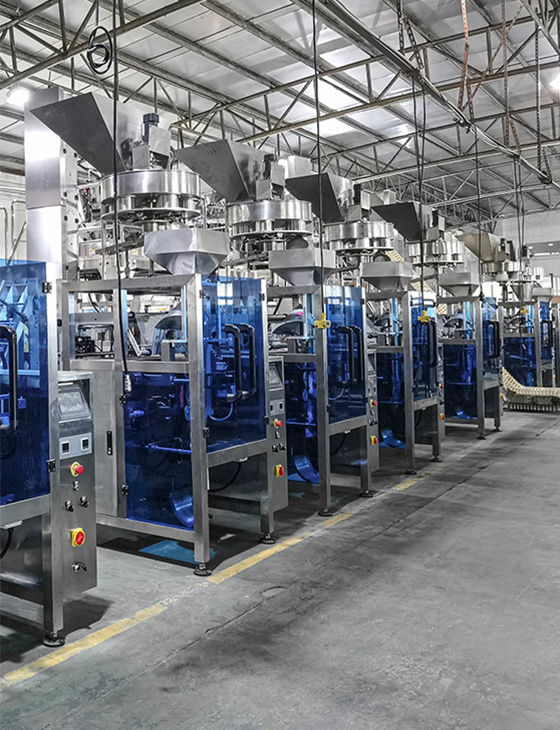
The supplier should describe how the equipment forms or receives the bag, fills it, removes air and completes the final seal. The sequence may involve equipment or support arrangements that the term "vacuum bag" does not reveal. You need a clear description when you compare a vertical configuration with other approaches, or when you add new equipment to an existing line.
Identify whether an optional gas cycle is part of the requested process and which components perform it. Confirm how partly completed packs are managed during a stop. The quotation should show the included operations and the interfaces with upstream dosing and downstream handling. Otherwise a buyer may assume a bagger alone delivers a complete vacuum-packaging process. The proposed scope may in fact rely on additional equipment, manual handling or site-supplied services.
Inspect product presentation after the process
A good seal is only one part of the package result. Look at whether the contents stay acceptable in appearance, whether pieces separate as intended and whether the bag opens and empties conveniently. Sticky dried fruit may form a compact mass under conditions that differ from those used for a dry product. Record the actual material condition. A generic product name will not do.
Compare samples from different stages of the run and after the agreed holding period. If a process adjustment changes conformity or product compression, keep both versions for review. The product team should define what is acceptable before the final setup is chosen. That moves the discussion toward the presentation and handling you want. The tightest-looking bag is not automatically the most suitable commercial package.
Plan seals and opening features for the final shape
The bag's geometry after extraction affects how a user grips and opens it. Review the material around the opening feature and make sure the tear or cut location stays usable when the film conforms to the product. Check the position of printed instructions and coding in that same filled condition.
For production closure, identify the seal location, the material layers and any folds that reach the sealing region. Inspect several samples with the methods the packaging team has agreed. A clean-looking surface does not replace the required integrity evaluation. Keep each tested package tied to its film lot, product batch and machine setup. With a traceable record, supplier and buyer can compare adjustments without mistaking a material change for a process improvement.
Define an acceptance range for actual products
If the line will pack several dried fruits or other products, list them separately with their expected condition and quantity. Decide which ones are the hardest cases for filling, forming or product contact. A demonstration with one free-flowing product does not confirm a sticky or irregular variant. Use the trial plan to expose those differences before the purchase is final.
Record the complete cycle, the acceptable finished output, seal observations and product presentation. Include a controlled interruption and restart so the handling of incomplete packs is understood. Name any substitute film or omitted process step in the report. An approved vacuum-bag application is a defined combination of product, material, geometry and operating sequence. Keeping that boundary clear makes later changes easier. It also avoids claims beyond the packages and conditions actually evaluated.
- Target pack shape and acceptable product compression
- Product sample, moisture condition and fill quantity
- Film construction and intended handling conditions
How should a package that loosens later be investigated?
Keep the affected sample and its production identification before you draw a conclusion. Review the film, seal condition, product contact points and process record using the packaging team's agreed methods. Compare it with retained samples from the same run and with any material or product change. A later change in appearance needs investigation. One machine setting should not automatically take the blame. If the original package and its conditions stay identifiable, it is easier to tell a closure issue from material damage or another application-specific cause, and to choose the next useful test.
Explore the Equipment
Vertical Form Fill Seal
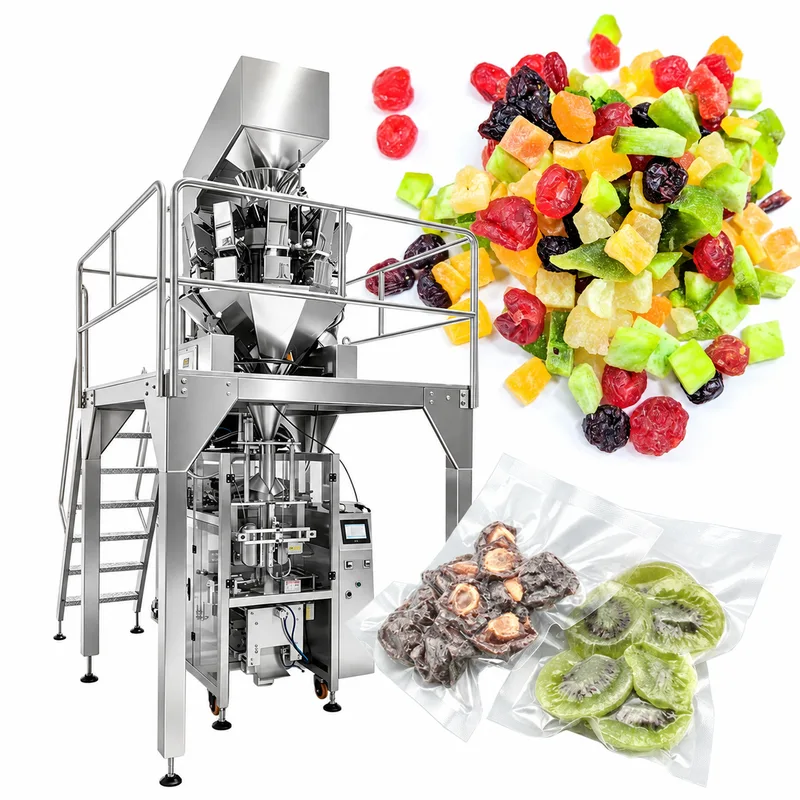
Dried Fruit Vacuum VFFS Packaging
Too deep an extraction can break fragile fruit or press soft pieces into a mass that is hard to portion. Size this vacuum VFFS line from your fruit samples, pack shape, film and gas route.
What to send us
| Item | Why we need it | Example format |
|---|---|---|
| Target pack shape and acceptable product compression | Identify the evidence or open question for this review point. | Labeled brief entry + photo/drawing/record reference, or TBD. |
| Product sample, moisture condition and fill quantity | Identify the evidence or open question for this review point. | Labeled brief entry + photo/drawing/record reference, or TBD. |
| Film construction and intended handling conditions | Identify the evidence or open question for this review point. | Labeled brief entry + photo/drawing/record reference, or TBD. |
| Agreed measurements, observation period and acceptance method | Identify the evidence or open question for this review point. | Labeled brief entry + photo/drawing/record reference, or TBD. |
We reply within 24 hours.