
Multi-Lane Stick-Pack Systems
Package single-serve coffee, creamer and supplement powders in parallel lanes with auger dosing and vertical stick-pack forming.
On This Page
Single-serve powder packaging
The four-lane powder range combines film splitting, stick forming, screw dosing, sealing and cutting. Powder density and flowability affect screw selection and dosing repeatability. Confirm each formula separately. One tooling set will not necessarily fit every powder.
Choose the right sachet format
Stick packs and four-side-seal sachets use different forming and sealing arrangements. For a viscous sauce, bring up piston dosing, the fill temperature and whether the hopper needs heating or stirring.
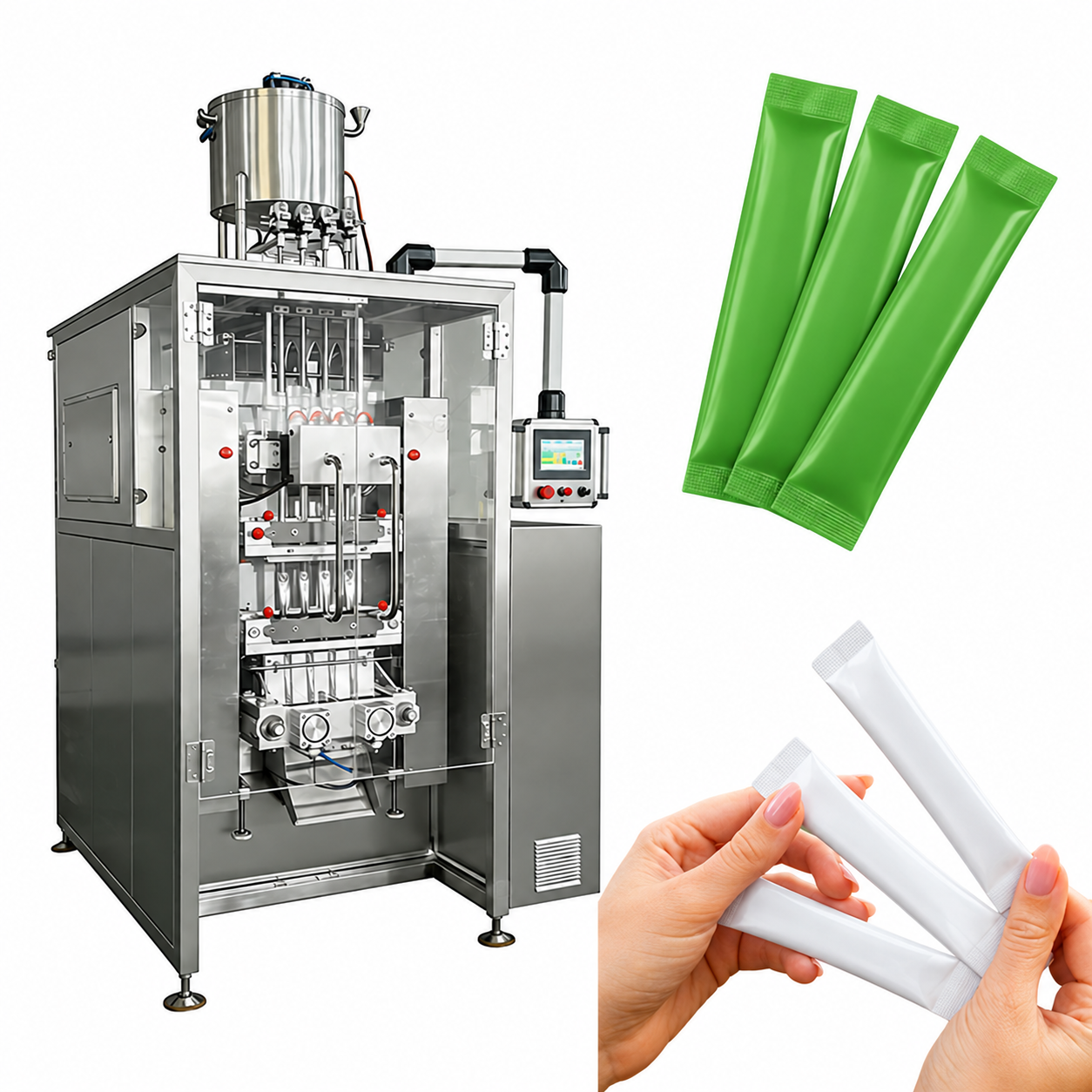
Decide what the single serving must deliver
A multi-lane stick-pack project starts with the serving, not the lane count. Define the target dose, the acceptable weight variation, the formulation, and how the pack should open and empty. A free-pouring beverage powder can behave quite differently from a fine powder that holds air or sticks to contact surfaces. You will see it in the dosing, in the filling-tube selection, and in the space needed above the powder before the end seal is made.
The catalog includes four-lane configurations for collagen, coffee powder and creamer. They show a relevant equipment family. They do not make all powders interchangeable. Supply a representative sample of each formulation and describe the changes you expect between batches. If a product is moisture sensitive, include the normal storage and room conditions, so the handling trial matches your production environment.
Understand what happens across the film web
A multi-lane arrangement makes several narrow packs in coordinated cycles. Film handling therefore has to work across the width of the web as well as along its travel. Review the proposed lane layout, slit positions, print repeat and registration marks with the film converter. One attractive printed stick proves nothing. The full reel has to match the machine arrangement.
You want a drawing that marks the longitudinal seam, end seals, cut line, tear feature and coding area for every lane. If the artwork repeats across the roll, confirm how the supplier checks that each finished stick gets the correct text and code. Use trial film with the actual print layout where possible. A registration or cutting problem is much easier to find that way than after printed material has been bought in production quantities.
Connect powder characteristics to the dosing arrangement
The source configurations describe auger dosing for fine powders. An auger meters material through a selected screw arrangement, so the link between screw movement and delivered mass has to be established with the actual powder. Bulk density, aeration and flow condition can all influence it. A target weight written on an enquiry form is therefore only the start of the dosing specification.
Find out which screw and filling-tube combination is proposed for each product and dose range, and talk through how powder enters the hopper and how the level is managed during normal replenishment. In a trial, watch the first packs after refilling as well as those made once the machine has settled. Keep lane results separate. One average across every sample can hide a lane that needs an adjustment or a different mechanical setup.
Reserve enough space for filling and sealing
Stick width and length set the package envelope, but the usable filling space is smaller because seams and end seals take up part of it. A powder that looks compact in a laboratory container may take up more volume while falling through a narrow tube. Look at both the settled appearance and the condition just before sealing. The machine has to finish the dose and leave the seal area fit for closure.
On long, narrow sticks, check whether the powder travels cleanly through the proposed filling path. Material clinging to the tube or arriving late can interfere with the next operation. Your trial notes should separate a dosing problem from a forming problem or a sealing problem. A longer pack may add space. It will not fix an inconsistent feed or a product-release issue upstream.
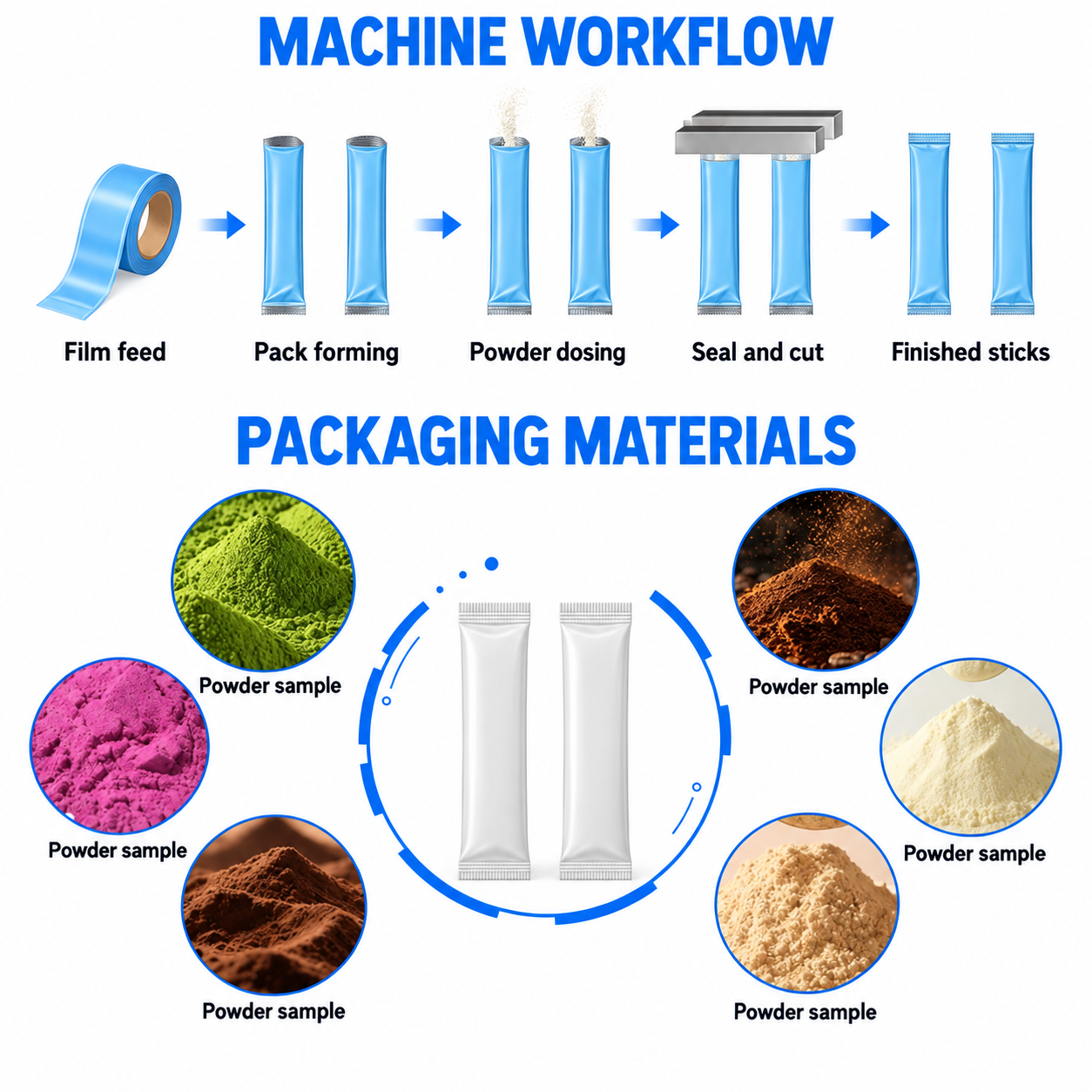
Evaluate opening and emptying as real operations
Judge single-serving packaging in the hands of the intended user. Test the tear feature, the direction of opening and how the powder leaves the stick. An easy tear that spills product unpredictably may not give the experience you want. A pack that seals neatly but traps a lot of powder in its corners also deserves another look with the packaging supplier.
Use filled samples made from the intended laminate for this check. Empty film cannot show how product changes the grip, the opening behavior or the discharge. Compare the position of the opening feature with the printed instructions and the fill level. Keep findings specific: note whether the user can find the feature, start the tear and pour the contents into the intended container. That is more useful than a general statement that the package looks acceptable.
Include collection and secondary packing
Your job does not end at the cutting station. Decide whether finished sticks will be collected loose, counted into another pack or passed to downstream equipment. Define how output from different lanes stays organized and how damaged or suspect sticks are set aside. A high apparent discharge rate is hard to use if the collection arrangement keeps interrupting the machine upstream.
Handle production identification at the same time. Date or batch coding needs an agreed location and has to stay readable after cutting and handling. If one lane is stopped or adjusted, decide how its output will be identified during the evaluation. These requirements shape the whole line layout and operating procedure, even when the first request is only for a four-lane packaging machine.
Write a lane-by-lane trial plan
Prepare a sample sheet with a separate column for each lane, and record the target dose, measured mass, seal condition and opening observations at agreed points in the run. Include normal replenishment and a controlled stop-and-restart sequence. For several formulations, use the real changeover procedure. A good coffee-powder run says nothing about creamer or collagen.
Keep a record of the film specification, dosing tooling, settings and any rejected samples. If the demonstration material differs from your product, find out what remains untested. Settle three things before you buy: the serving, a stick format that fits it, and an operating method you can repeat. Lane count comes last. It is a capacity choice inside a demonstrated application, backed by evidence from each lane and from the full downstream collection process.
- Powder formula, flow behaviour and target portion
- Stick width, film specification and individual lane checks
- Replenishment, product clearing and recipe changes
Can one lane count cover several launch stages?
Plan capacity in two stages: the first product launch, and the later product range. Prepare the expected serving sizes, formulations and packaging schedule for both. Find out which future variants use the same film layout and dosing tooling, and which need a separate review. Multiplying a desired daily quantity into a lane count misses the real operating schedule, replenishment, cleaning and secondary packing. Talk through those events with the supplier and you will see whether the proposed arrangement suits how your factory works. Tie the final choice to demonstrated per-lane results and to your ability to collect acceptable finished servings.
Explore the Equipment
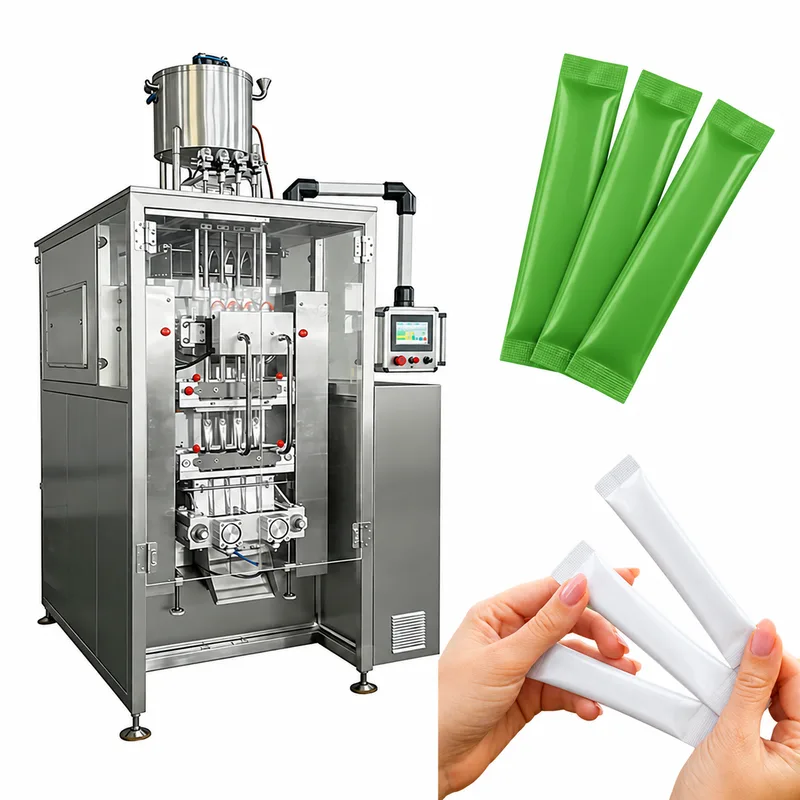
Multi-Lane Stick Packs
Four-Lane Collagen Stick-Pack Machine
Four lanes can hide one lane that under-doses. Specify this four-lane collagen stick-pack machine from your powder density, serving weight and stick size, and sample every lane.
Multi-Lane Stick Packs
Four-Lane Coffee Powder Stick Packs
Instant, agglomerated, blended and ground coffee do not dose alike on one screw. Specify this four-lane coffee stick-pack line from your exact formula, serving and stick, and check every lane.
Multi-Lane Stick Packs
Four-Lane Creamer Stick-Pack Machine
Creamer that cakes in the hopper or dusts the seal can cause runs of rejected sticks. Specify this four-lane creamer stick-pack line from your formula, serving, moisture sensitivity and changeover order.
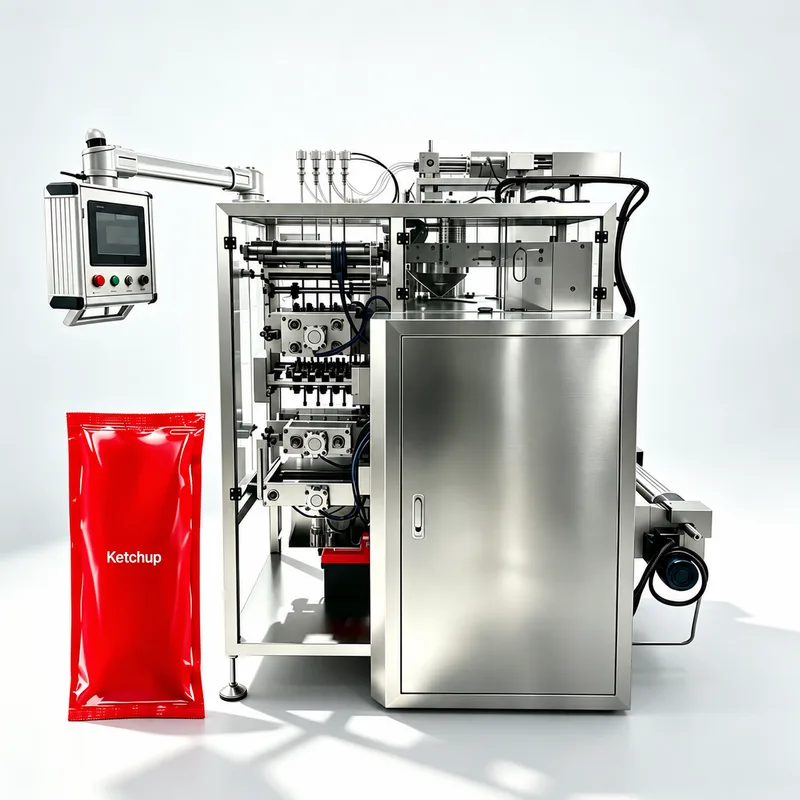
Sauce Sachets
Sauce Four-Side-Seal Sachet Machine
Sauce strings or drips can contaminate the seal area, leading to leaks and rejected sachets. Specify this piston-dosing four-side-seal machine from your sauce, portion, sachet drawing and film.
What to send us
| Item | Why we need it | Example format |
|---|---|---|
| Powder formula, flow behaviour and target portion | Identify the evidence or open question for this review point. | Labeled brief entry + photo/drawing/record reference, or TBD. |
| Stick width, film specification and individual lane checks | Identify the evidence or open question for this review point. | Labeled brief entry + photo/drawing/record reference, or TBD. |
| Replenishment, product clearing and recipe changes | Identify the evidence or open question for this review point. | Labeled brief entry + photo/drawing/record reference, or TBD. |
We reply within 24 hours.