
Configuration & Project Support
Changeover Support Planning
Prepare a format or product change by identifying tooling, settings, cleaning needs and the checks required before restart.
On This Page
Describe both operating states
Start by describing the current and proposed product, dose, bag size and material, and say how often the line has to switch between them. A new film artwork is a different job from a wider bag, new forming parts or different dosing equipment, so sort out which kind of change you have first. Then ask for a changeover estimate or a support arrangement.
Confirm parts and documentation
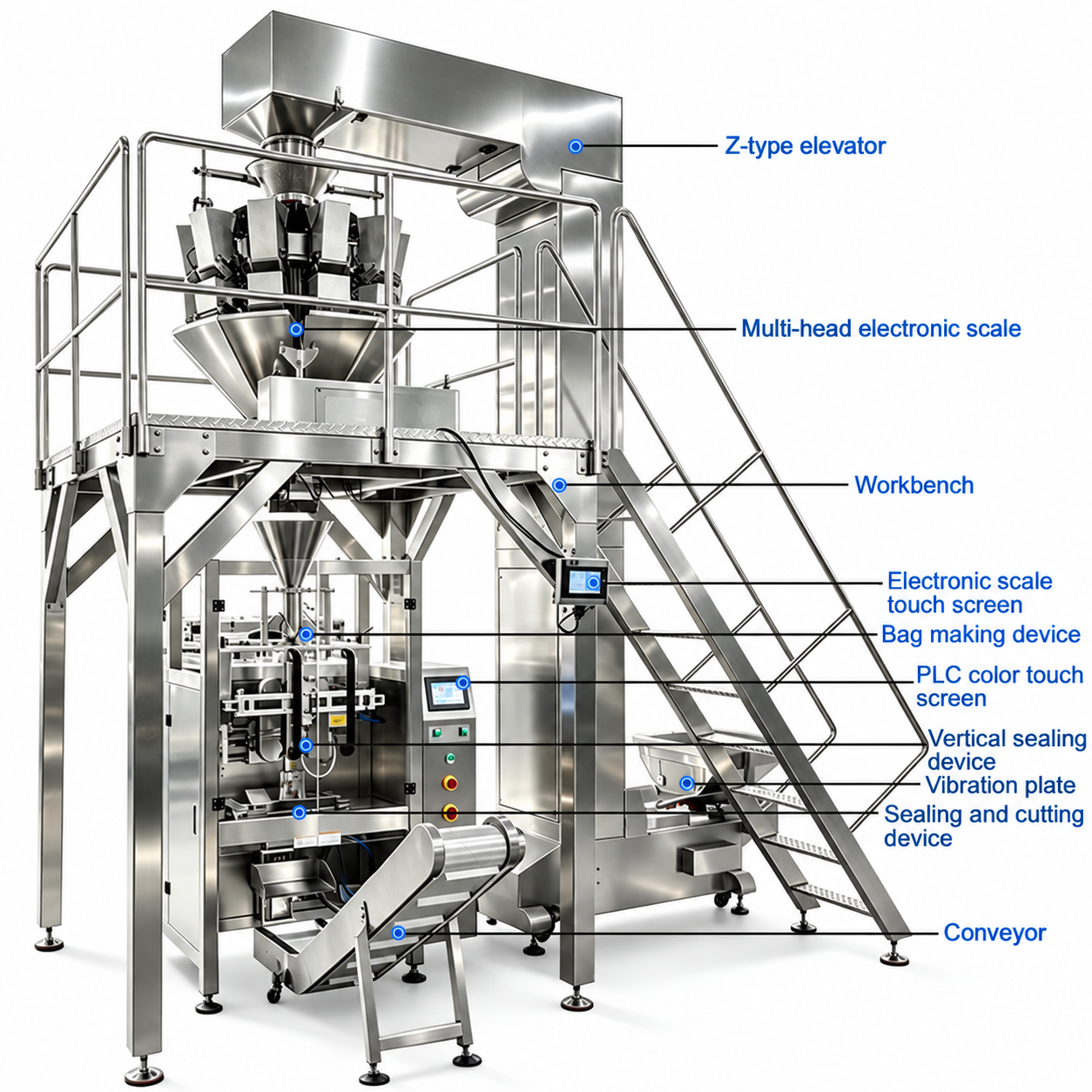
Find out which format parts you need, which ones came with the machine and which must be ordered separately. Get the applicable instructions. List the settings or recipes that need review. The cleaning method and any product-contact changes should be confirmed with the responsible team. An existing recipe does not prove that a new material will run. Treat that as open.
Agree the restart checks
Define the checks for fill quantity, seal condition, print and code location, and product handling after the change. Then write down the accepted configuration and whatever issues remain. Support delivery, timing and charges depend on the project, and the work itself follows the machine's procedures and is done by appropriately trained personnel.
Define the transition that needs assistance
A useful changeover-support request describes two complete operating states, the approved current product and pack and the proposed next one. Where known, give the fill quantity, packaging specification, format components and recipe identity. Frequency matters, so say how often the transition happens. Then name the part of the work that is causing trouble.
A request that only says "make the changeover faster" leaves the reviewer guessing whether it is a mechanical issue, missing material, cleaning work or a release decision that arrives late.
Routine transitions already covered by the equipment documentation are one thing. A new application that needs review is another. New artwork on the same approved film construction raises different questions than a wider bag, another zipper pouch or a powder with different flow behaviour. The support discussion should name the type of change first. Only then should anyone estimate the work, and an existing recipe should not be taken as proof that the new condition is suitable.
Assemble the current setup record
Provide the installed equipment identity and the documentation for the current format. Add photographs of labelled format parts where they can be taken safely, along with the relevant drawing references. Say whether any components or settings have changed since the last accepted run. The current recipe and the parts actually installed should describe the same arrangement. If they do not, show that discrepancy openly. Neither one alone is the full account.
Describe the last known acceptable condition and the sequence of events leading to the problem. If the issue appears only after one particular format change, record that transition, and if a new material supplier or product formulation came in at the same time, mention it too. This history lets the reviewer tell a repeatable procedure problem from a material or configuration change that just happens to coincide with the changeover.
Confirm the required parts before scheduling work
Work out which format components the proposed transition needs, and whether they are already part of the supplied equipment. Keep unconfirmed parts apart from confirmed ones in the planning list. Forming and guiding components can look alike and still serve different formats, so photographs and approximate dimensions are no substitute for proper identification. Availability, cost and delivery of any additional component must be confirmed for the project.
Look at how the approved format kit is stored and prepared. Missing tools, mixed parts and uncertain labels eat time before any adjustment starts. Some tasks can be prepared before the line stops, under the site's procedure, such as fetching the correct material and documentation. Preparation can improve the transition without touching the machine. It is still work. Someone has to be assigned to it, and it belongs in the operating plan.
Plan the procedure around safe access and product release
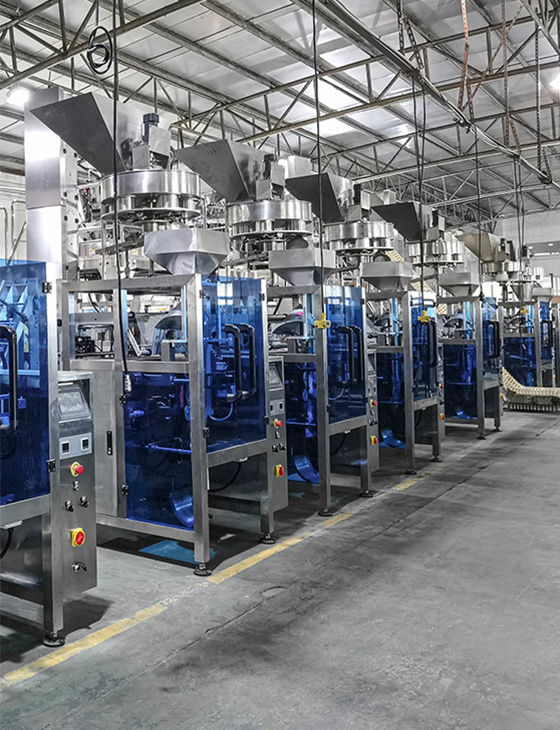
The physical change must follow the equipment documentation and be done by appropriately trained personnel. If the instructions are missing, request them before touching the machine. Ordinary operator adjustments are not the same as maintenance or technical work that needs a different level of authorisation. Restarting production quickly is never a reason to bypass safeguards or try undocumented settings during a support call.
Product clearing and cleaning need review by the buyer's responsible team, as well as by the equipment information. Switching between materials may call for checks beyond the mechanical format adjustment. Record those tasks separately from changing tooling or loading a recipe. That separation explains why a machine can be mechanically ready while the new run is still waiting for the site's required inspection and release.
Define the checks that establish the new accepted state
Agree beforehand how the first new-format packs will be assessed. Relevant checks may include fill quantity, seal condition, presentation, coding and product handling, using the methods approved for the project. Note the material lots, parts and recipe behind those samples. A machine that cycles, or a first bag that looks good, tells you little by itself. What counts is a result that ties the equipment arrangement to the finished package you intend to sell.
Record any adjustments made after the initial setup and before acceptance. If several changes went in together, say so when you read the result. You cannot tell which one made the difference. A good support outcome might be a corrected instruction, a clearer parts list or the need for a separate sample trial. It should state what evidence supports the new condition and which product or format questions that evidence does not cover.
Use the result to improve the next transition
Keep a task record with a clear start and finish. Separate preparation, clearing, cleaning where relevant, mechanical work, trial packs and release checks. Note any waiting caused by missing information or unavailable people. Those categories make the discussion specific. A short demonstration by an expert under exceptional preparation says little about the factory's normal changeover allowance unless it is compared with a representative operating run.
Keep the approved method with both format identities, and update it when material or tooling changes. Further assistance, delivery method, scheduling and charges are discussed within the project scope. No fixed duration or universal remote solution is implied. The point of all this preparation is to give the support review a defined transition and a useful evidence trail, so the advice or documentation that comes back addresses the work your production team actually has to repeat.
- Current and proposed product/pack specifications
- Change frequency and required format parts
- Cleaning and recipe-review scope
Prepare the evidence for a specific transition
Send the two format records with a short sequence of the steps currently followed. Mark where the procedure becomes unclear, where waiting occurs and where the new pack first fails an agreed check. Add photographs only if they can be taken safely and help identify a part or result. A concise record like this gives the reviewer a concrete question to answer. It also helps you see whether you need an instruction update, new tooling or a new application trial. Each may need its own scope and schedule.
Explore the Equipment
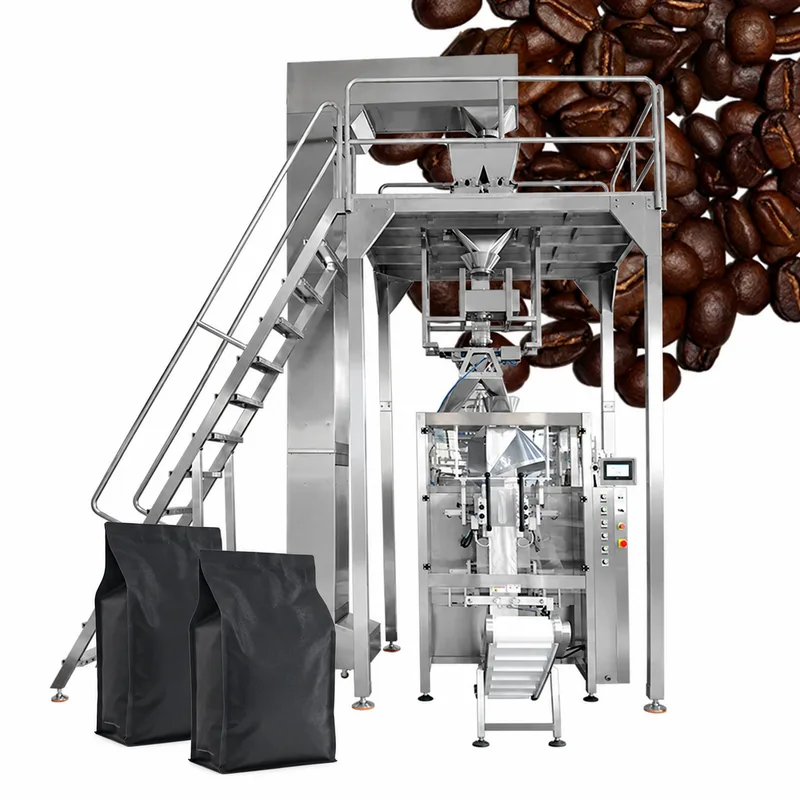
Vertical Form Fill Seal
Quad-Seal Coffee Packaging
A quad-seal coffee bag that will not stand, or skews at the corners, wastes film and coffee. Specify the corners, gussets, base, valve and dosing method from your bag drawing.
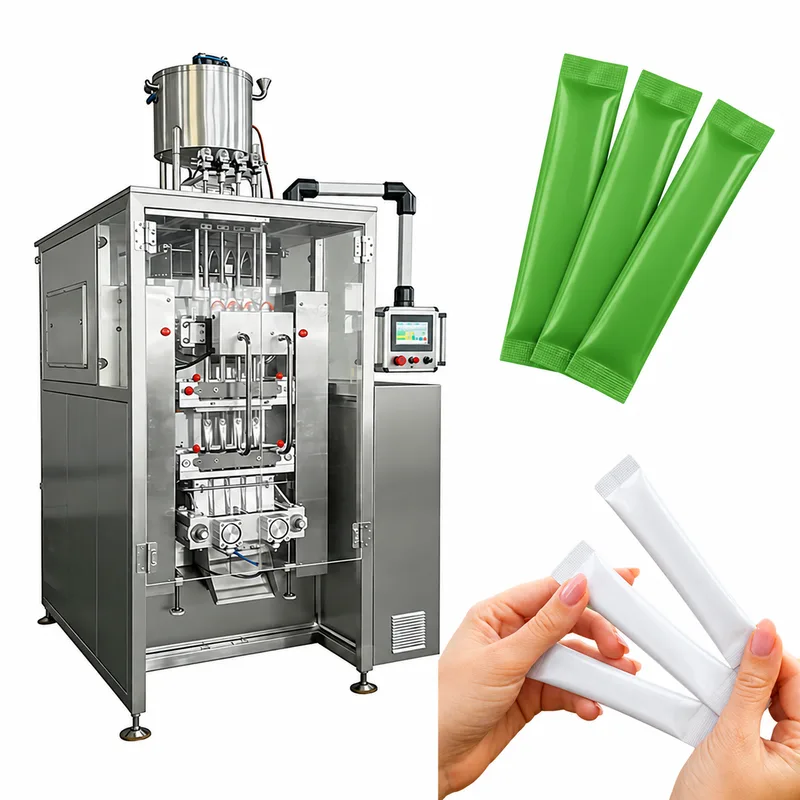
Multi-Lane Stick Packs
Four-Lane Coffee Powder Stick Packs
Instant, agglomerated, blended and ground coffee do not dose alike on one screw. Specify this four-lane coffee stick-pack line from your exact formula, serving and stick, and check every lane.
What to send us
| Item | Why we need it | Example format |
|---|---|---|
| Current and proposed product/pack specifications | Identify the evidence or open question for this review point. | Labeled brief entry + photo/drawing/record reference, or TBD. |
| Change frequency and required format parts | Identify the evidence or open question for this review point. | Labeled brief entry + photo/drawing/record reference, or TBD. |
| Cleaning and recipe-review scope | Identify the evidence or open question for this review point. | Labeled brief entry + photo/drawing/record reference, or TBD. |
| Restart samples and acceptance record | Identify the evidence or open question for this review point. | Labeled brief entry + photo/drawing/record reference, or TBD. |
We reply within 24 hours.