
Packaging Machines / Premade Pouches
Juice & Beverage Pouch Packaging
Foam or a trailing drop at the pouch mouth contaminates the top seal and the pouch leaks. Specify this premade-pouch juice filler from your beverage condition, fill quantity and actual pouches.
- Route: premade pouch; retrieval, opening, liquid filling, sealing, discharge
- Clear juice: watch foam and drips at the end of the dose
- Concentrate: viscosity range and temperature set valve and nozzle choice
- With pulp or pieces: inclusions must pass the product path and nozzle
- Seal area: kept free of liquid; speed and fill range not published
We reply within 24 hours.
| Product and configuration | Juice & Beverage Pouch Packaging |
|---|---|
| Published scope | Route: premade pouch; retrieval, opening, liquid filling, sealing, discharge; Clear juice: watch foam and drips at the end of the dose; Concentrate: viscosity range and temperature set valve and nozzle choice; With pulp or pieces: inclusions must pass the product path and nozzle; Seal area: kept free of liquid; speed and fill range not published |
| Inputs to provide | Describe pulp, viscosity variation, filling temperature, and foam behavior. Demonstrate dry pouch opening before the trial with the intended beverage. Record end-of-dose dripping, seal condition, and cleaning responsibilities. |
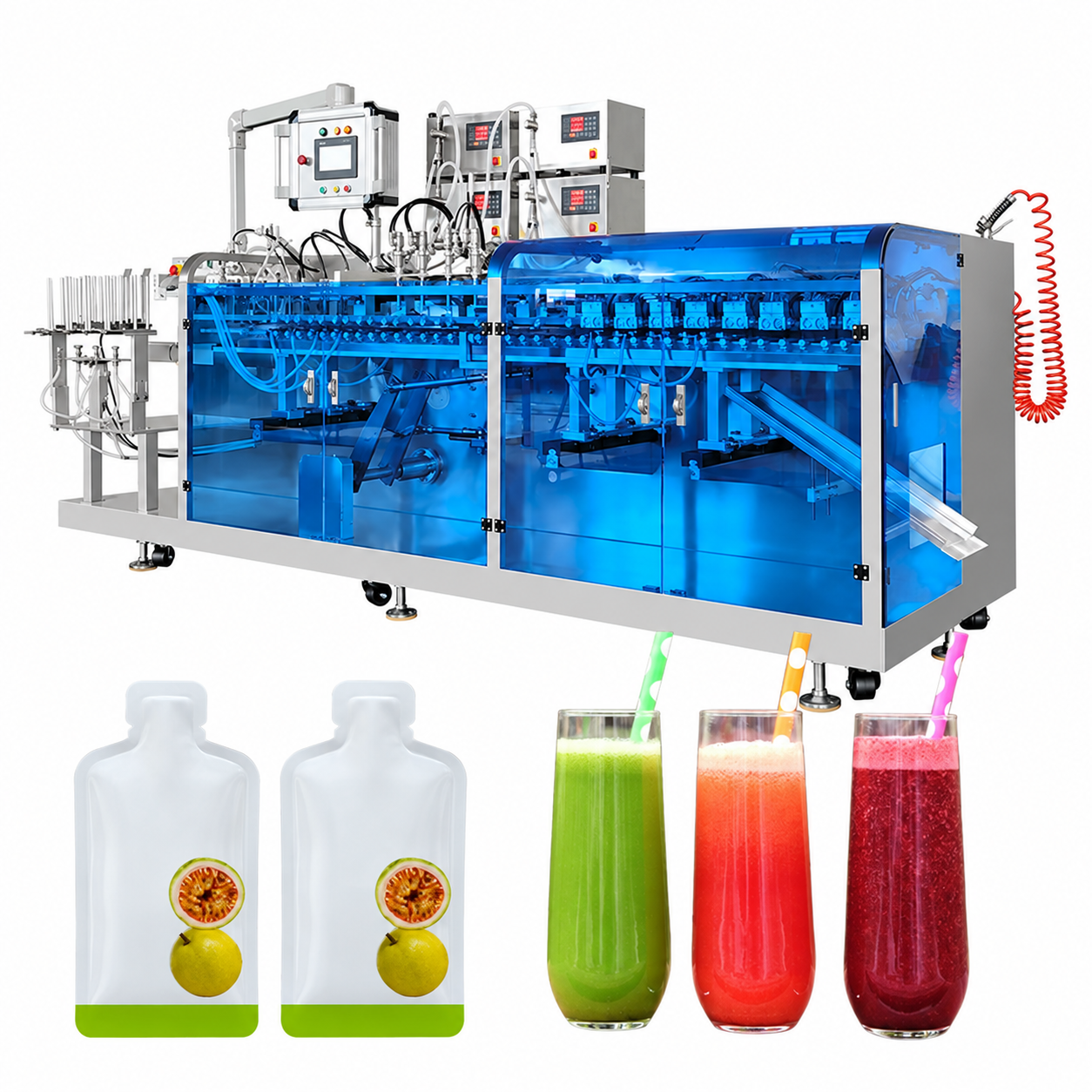
Configuration & Selection
Prove the empty pouch opens and holds steady first, then judge filling with your real beverage. Clear juice, concentrate and drinks with pulp behave differently at the nozzle, and foam or a drip reaching the top seal produces leaking pouches even when the volume is right. Share fill volume, viscosity, product temperature and pouch material, and confirm the production and sanitation process for the beverage. Send details of your product temperature, viscosity and inclusions, foaming behavior, fill quantity and production pouches through the enquiry form or WhatsApp; physical samples are arranged separately.
On This Page
Filling prepared beverage pouches in a defined sequence
The juice and beverage configuration works with premade bags and does not form packages from rollstock. Its published working sequence is pouch retrieval, opening, measurement, liquid filling, sealing and discharge. The published application list names juice, concentrates and jelly drinks, which gives a useful starting point for talking about liquid behavior. Those are inquiry categories, though. The dosing and handling arrangement still has to match your actual beverage and package.
A ready-made pouch can have a shaped base, printed panels or other features added by the converter. The machine opens and supports that pouch while the dose goes in, then presents the top correctly for sealing. It does not define the beverage's upstream treatment or storage requirements. Start the project by describing what reaches the filler and what finished package you need. That draws the equipment boundary before anyone discusses optional functions or compares output figures.
Takeaway: Describe what reaches the filler and the finished package before comparing output figures.
Distinguish clear juice, concentrate, and inclusions
Tell the supplier the beverage's expected filling temperature, viscosity range, tendency to foam, and any suspended pulp or other inclusions. Say whether the ingredients stay uniformly mixed during normal waiting periods, and how product is supplied to the machine. A clear liquid sample is a poor stand-in for a thick concentrate or a jelly drink with pieces. The valve, nozzle and product path should be reviewed against the real formulation.
Describe the usual batch variation as well as the preferred operating condition. Does the product change between warm transfer and a cooler restart? Put that into the trial brief. The supplier should also explain the proposed dosing method and any restrictions tied to the selected components. Nobody can prescribe a mechanism from a general product description. The point is to find out which product characteristics could interrupt dosing, leave material in the path or change the amount delivered into each pouch.
Takeaway: Review valve, nozzle and product path against the real formulation, not a clear sample.
Prove pouch opening before evaluating liquid dosing
Send production pouches with their material specification and a drawing of the usable mouth, bottom gusset and intended top seal. Begin with a handling check without product, watching pickup, opening and support. Doubled bags, incomplete opening, wrinkles around the mouth, or a bag that twists before the filling position are the things to look for. Fix these first. In a wet trial, liquid can hide the original handling problem.
Then repeat the sequence with the beverage. Its weight and movement change the load on the pouch. Check that the bag does not sag into a poor position and that the nozzle clears the inside edges as it moves. If a spout or zipper is present, find out whether it is part of the proposed opening and filling sequence. A shaped beverage pouch may need its own handling arrangement, even when its outside dimensions look like a simpler flat-topped bag.
Takeaway: Fix dry handling faults before the wet trial, then repeat with the beverage.
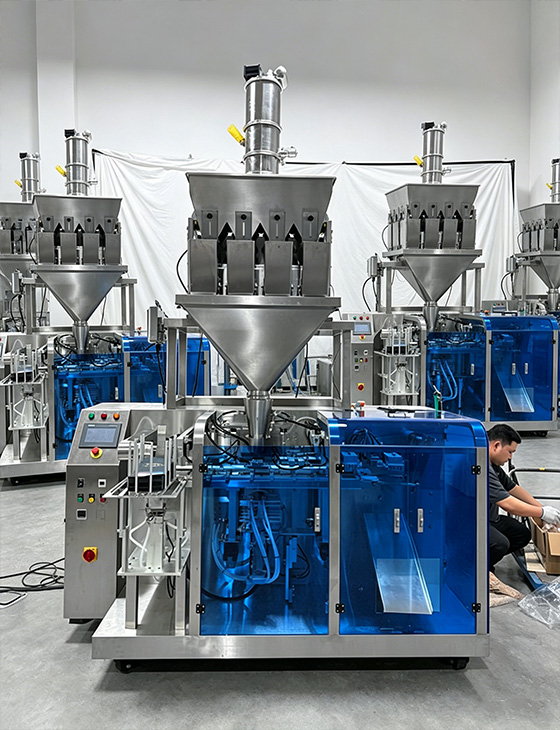
Manage the end of the dose and the seal transition
Pay close attention to the last part of filling. Look for a trailing drop, foam rising toward the opening, or liquid movement as the filled pouch transfers to sealing. The supplier should demonstrate how the proposed sequence lets the dose finish and the nozzle withdraw. A top seal needs suitable material contact. So contamination near that area has to be dealt with in the actual filling and handling arrangement.
Describe defects in enough detail to tell splashing during the main dose from dripping afterward. Note whether they happen at startup, after a refill or following a pause. Check both sides of retained pouches and the corners of the seal, not only the center section a front photograph shows. Test any corrective adjustment again under the operating event that caused the defect. That ties the change to an observed result. A cleaner-looking short run proves much less.
Common mistake: Accepting a short clean run without retesting under the restart or refill that caused the defect.
Takeaway: Separate splashing during the dose from dripping after it.
Set cleaning and product recovery expectations
Map the product-contact route in the quotation, from the agreed inlet to the filling nozzle. How is each component reached, emptied, cleaned, inspected and returned to service? Concentrated products and drinks with inclusions may leave different residues, so base the cleaning discussion on the planned recipe range. Establish whether cleaning is manual or includes supplied equipment, and write down what stays part of the buyer's process installation.
Talk about product left at the end of a batch or during a long stop. Set your own limits for reuse or disposal. An equipment demonstration should not imply a food-processing decision. Look at where drained product goes and how spills are kept away from pouch-handling components. A machine that can dose a beverage has not thereby provided a full sanitation process, so cleaning acceptance and production release remain explicit responsibilities in the project plan.
Takeaway: Write down which cleaning steps are supplied and which stay with your process.
Review format changes and downstream handling
Beverage pouches differ in shape, stiffness, fill level and the way they stand after discharge. Compare representative formats with actual samples and product. Note changes to the magazine, pickup position, opening tools, pouch supports, nozzle setting and sealing arrangement. Physical change parts and adjustable settings should be listed separately by the supplier, so the quote reflects the package range you intend to run.
Watch how filled pouches leave the machine and enter the next operation. A pouch can seal well and still need support for orderly collection or inspection. Will operators place packs into cartons by hand, or is a downstream conveyor planned? Confirm the agreed discharge interface and the available space before you accept the layout. Format trials should cover the first packages after setup and the move back to a previous bag. A single optimized demonstration cannot show repeatability, but those trials can.
Takeaway: List physical change parts separately from adjustable settings for each pouch format.
- Describe pulp, viscosity variation, filling temperature, and foam behavior.
- Demonstrate dry pouch opening before the trial with the intended beverage.
- Record end-of-dose dripping, seal condition, and cleaning responsibilities.
Define a trial with measurable package observations
Agree a sample plan that covers fill quantity, seal condition, pouch cleanliness, any leakage checks you select, and the appearance of the finished pack. Run the intended product through normal replenishment and a planned restart. Label results by pouch lot, beverage condition and configuration settings. With several recipes on the table, pick trials that represent real differences. Repeating nearly identical clear liquids tells you little.
The selected response when a pouch fails to open or is missing at the filling position should be shown to you. Confirm which sensors and rejection features come with the machine, and demonstrate them if they are part of acceptance. Count acceptable packages apart from machine cycles, and note the reason for every rejected sample. If testing has to start with a substitute liquid, write down its limitations and leave the product-specific checks visible. A substitute can help with setup. It does not qualify the final beverage.
Takeaway: Count acceptable pouches apart from cycles and record why each reject failed.
Turn the beverage brief into a clear scope
A useful inquiry contains the formulation description, a representative sample, the filling temperature range, target quantity and tolerance, the pouch drawing and samples, and the intended production pattern. Add your cleaning expectations, upstream supply details and a layout showing access for operators and maintenance. Name any existing product-treatment process, and the point where responsibility passes to the proposed packaging machine.
Get a written scope covering pouch handling, dosing, sealing, format tooling, product-contact components and optional inspection equipment. The supplier should flag unresolved compatibility questions before any production expectation is assigned. Base the decision on a defined beverage and pouch combination with recorded trial observations. Later concentrate strengths, inclusions or shaped packages can be reviewed as specific extensions of that configuration. This keeps the purchasing comparison useful and avoids unsupported assumptions about preservation, sanitation or performance across a whole beverage category.
Observation record by beverage type
Record the same headings for each beverage you plan to run; they follow the liquid and end-of-dose sections above. The Sauce & Beverage Packaging application page covers the same viscosity and particle questions for thicker products. This page has no published filling speed or sanitation capability, so the record holds your observations only.
Product temperature at the filler: the range seen during the trial, including after a cooler restart.
Inclusions: pulp or pieces present, and whether they passed the nozzle.
Foam: none, during the main dose, or rising toward the mouth.
Trailing drop: when it appeared (startup, after a refill, after a pause) and whether it reached the seal area.
Takeaway: A drop or foam that appears only after a pause points to timing and restart, not the dose volume.
When this does not apply
No speed, fill range or sanitation capability is published for this configuration. It fills premade pouches and does not form them from film. Beverage treatment, storage requirements and cleaning acceptance stay with your process. Spout or zipper pouches may need their own handling arrangement; filling through a spout is covered on the Spout-Pouch Filling Machine page.
Takeaway: Qualify concentrates, inclusions or shaped pouches as separate extensions of the agreed configuration.
Frequently asked questions
Why test empty pouches before filling liquid?
Because liquid can hide the original handling fault. Check pickup, opening and support without product first; doubled bags, incomplete opening or a twisting pouch are easier to see and fix dry.
Does a water demonstration represent a concentrate?
No. A clear liquid is a poor stand-in for a thick concentrate or a drink with pieces. A substitute liquid can help with setup, but it does not qualify the final beverage.
How are nozzle drips linked to seal contamination?
A trailing drop or foam at the end of the dose can reach the inner sealing surfaces as the pouch moves to sealing. Note when it happens and retest any correction under the same event.
What is the price of a juice pouch filling machine?
This page does not publish prices. The quotation depends on pouch handling, dosing, sealing, format tooling, product-contact parts and optional inspection equipment for your beverage.
Bag Format Selection
Review the pack requirements for your enquiry. Compatibility is confirmed for the selected equipment and sample.
Planning Guides for This Configuration
These pages cover the system type, trial preparation and project checks that apply to this configuration.
Request a Packaging Configuration
We reply within 24 hours. Tell us what you need to pack. Leave quantity and output blank if you are still deciding. When you continue, WhatsApp opens with your enquiry written out so you can review it and send it to our team.
Explore the application · Configuration and project support
Related Packaging Configurations
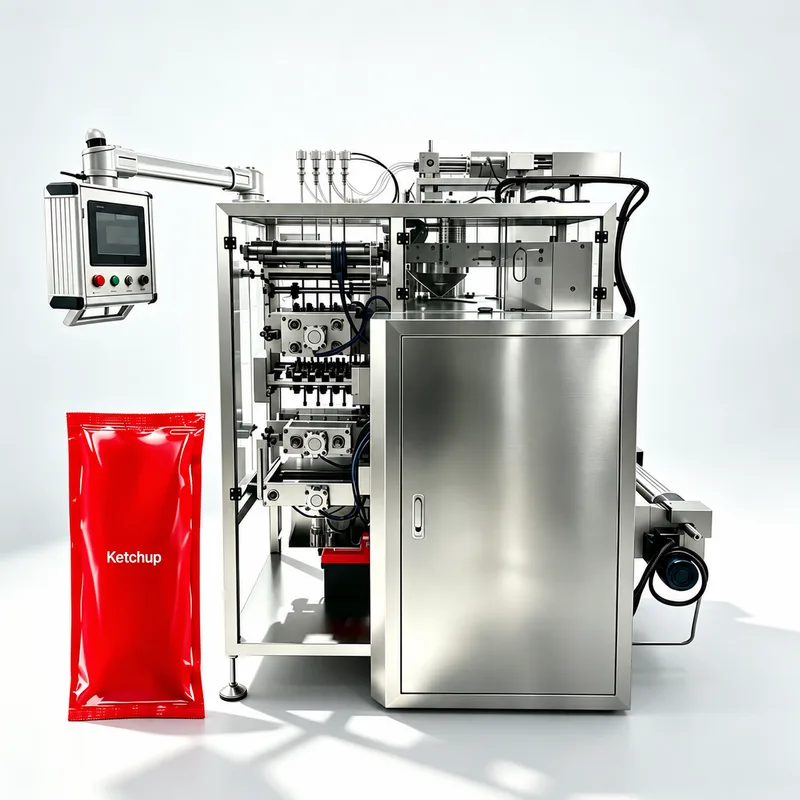
Sauce Sachets
Sauce Four-Side-Seal Sachet Machine
Sauce strings or drips can contaminate the seal area, leading to leaks and rejected sachets. Specify this piston-dosing four-side-seal machine from your sauce, portion, sachet drawing and film.
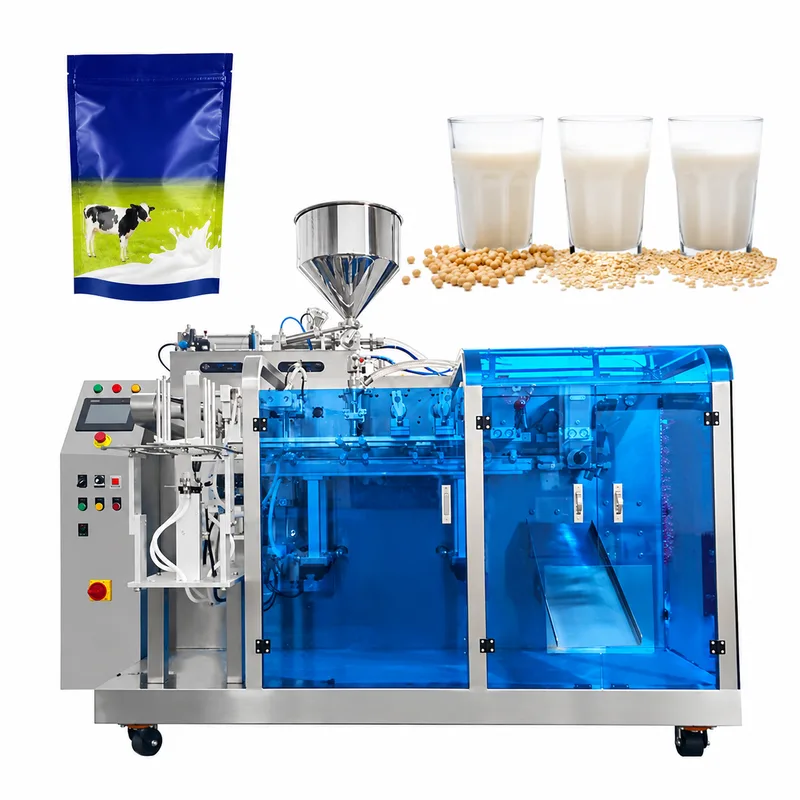
Premade Pouches
Milk & Beverage Premade-Pouch Filling
Treating a beverage pouch filler as a ready dairy system leaves treatment, cleaning and cold chain unspecified. Use this premade-pouch configuration as the starting point for a milk or beverage review.
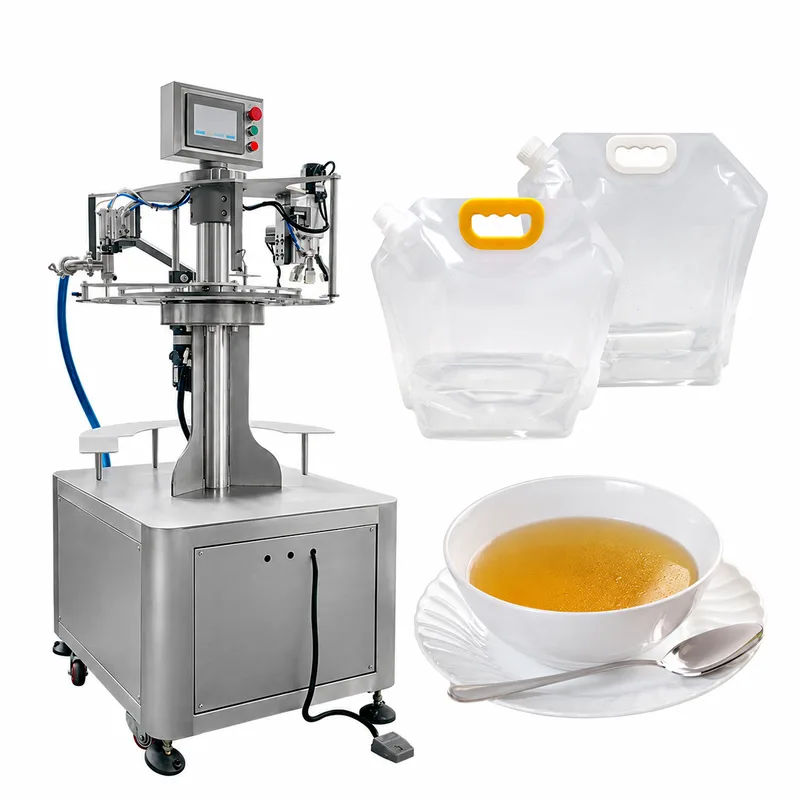
Premade Pouches
Spout-Pouch Filling Machine
A cap that looks seated but is not engaged leaks after shipping. Specify this spout-pouch filler and capper from your pouch, neck drawing, matching cap and liquid, as a stand-alone or integrated station.
What to send us
| Item | Why we need it | Example format |
|---|---|---|
| Product temperature | Changes viscosity and foaming at the nozzle. | Filling temperature range in °C, including restart conditions. |
| Viscosity and inclusions | Set the valve, nozzle and product path. | Description of pulp or pieces with largest size in mm, plus a sample. |
| Foaming behavior | Foam near the mouth contaminates the seal. | Short note on when the product foams during transfer. |
| Fill quantity | Sets dosing and remaining space in the pouch. | Target quantity in ml with tolerance. |
| Production pouches | Opening and support depend on the real pouch. | Unused pouches, material specification and a mouth and seal drawing. |
We reply within 24 hours.