
Stand-Up Pouch Packaging
Choose premade-pouch equipment using the actual bottom gusset, filled stability, opening requirements and product filling method.
On This Page
Start with the supplied empty pouch
A premade stand-up pouch arrives as a finished bag. The machine has to pick it up, open it, put the product in and close the filling opening. Send samples from your intended pouch supplier, in several sizes if you plan more than one. The bottom construction and overall shape matter. The nominal width and height printed on a sales sheet are not enough.
Check how the pouch opens and stays supported
The bag-handling arrangement must suit the pouch material and opening. Zippers, valves and other features can change the gripping and filling clearances. Find out how the empty pouch is presented to the machine and supported during filling. Review the actual sample. Not every pouch sold as a doypack behaves the same way.
Choose filling around the contents
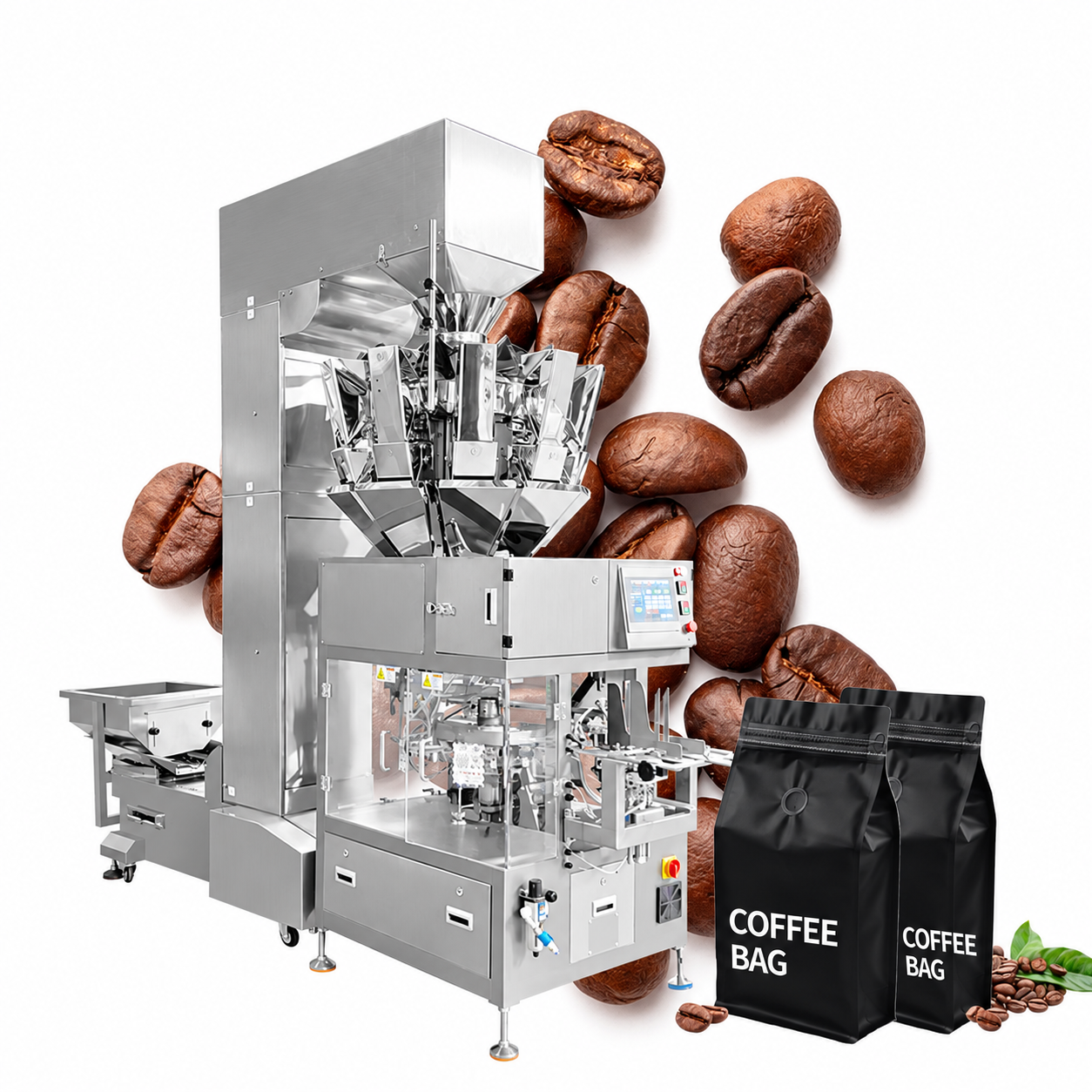
Whole coffee beans and other solid products may use weighing equipment, while milk or juice configurations need a suitable liquid filling arrangement. Product behavior, fill quantity and cleaning requirements decide which. State the process temperature and whether particles or foam are present. The pouch machine itself does not set the product treatment or storage conditions you need.
Test the finished pack
Assess opening reliability, fill placement, the top seal and the stability of a filled pouch. Check the lowest and highest intended quantities, because an empty or underfilled sample can behave differently from a retail pack. Bring the carton arrangement and transport orientation into the discussion. The trial report should name the exact pouch supplier and material used.
Specify the supplied pouch as a manufactured component
A stand-up pouch arrives with its own construction, tolerances and opening behavior, and the filling machine must handle it consistently. Supply empty production samples and a drawing that identifies overall dimensions, bottom gusset, top opening and any zipper or valve. Add the material construction and the dimensional tolerances from the pouch supplier. This matters most when more than one converter may supply the package.
The catalog's coffee doypack and liquid-pouch configurations show different uses of premade packaging. They do not make every pouch with a standing base interchangeable. A change in stiffness, gusset geometry or top-edge condition can affect handling. Treat the pouch specification as part of the machine specification. A later switch of packaging material then gets a compatibility review and does not slip in as a minor substitution.
Watch the bottom gusset during opening and filling
The standing base depends on the bottom structure opening and receiving the product properly. Watch the empty pouch as it is picked up, opened and supported before filling. Then compare the filled shape right after discharge and again after ordinary settling. What you want to see is how your pouch and your product create the base. A label on the empty pouch does not guarantee the finished presentation.
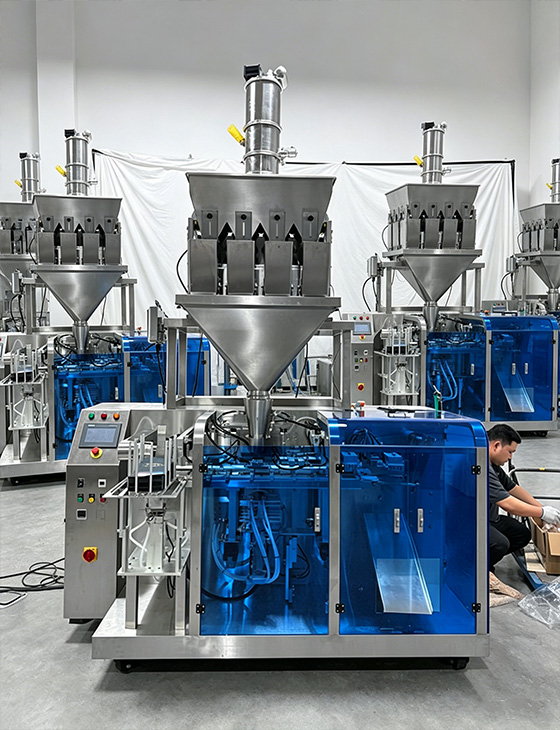
With solids, pieces may spread unevenly or bridge near the opening. With liquids, the filling sequence and support affect how the pouch takes shape. The supplier should demonstrate the proposed support and opening arrangement with your sample. Record incomplete openings and any adjustments. These events can explain filling problems that would otherwise be blamed only on the dosing equipment.
Choose a filling path that fits the mouth opening
A stand-up pouch may have a large final volume yet present a narrow opening during filling. Review the clearance for the chute or nozzle against the largest product pieces. Coffee beans and nuts need a different delivery review from a beverage or a viscous liquid, which is why the catalog pairs pouch handling with product-specific weighing or filling configurations.
During a trial, inspect the region that will later be sealed. Product should reach the intended cavity without leaving unacceptable residue in the closing area. If the supplier changes the filling position, dose timing or support arrangement, note what that does to cleanliness and pouch shape. An acceptable weight or volume does not prove the filling interface is suitable. Evaluate the finished seal and the handling of partly filled pouches in the same review.
Define standing performance in its intended setting
A pouch that stands for a moment on a demonstration table may behave differently on a retail shelf, in a refrigerator or after transport. Define the presentation you need, then inspect filled samples under those conditions. Look at fill quantity, product movement, base expansion and material stiffness together. A generic claim that the format is self-standing is not enough.
With multiple sizes or quantities, evaluate the low-fill and high-fill versions separately. An underfilled pouch may not form the same base as a fuller one. A tall format may react differently to product settling. Record the dimensions and fill condition behind each accepted sample. Simple observations like these let the packaging team refine the pouch geometry before printed materials are ordered and before the equipment setup is called final.
Plan top sealing around any consumer features
Zippers, valves and opening notches need defined positions relative to the final production seal. The zipper gives reclosure where one is specified, and the top seal completes the packaged product for distribution. Confirm that the pouch leaves enough clean material for the sealing operation and that the machine can present it consistently after filling.
Review the opening experience with finished samples, including access to the zipper after the first opening if there is one. Check that printed instructions, tear locations and coding stay readable and usable. The packaging supplier should define suitable integrity checks for the material and product. Appearance counts toward acceptance. It does not replace the agreed evaluation of the closure. Keep the exact pouch revision with the trial results.
Include loading, format changes and rejected pouches
A premade-pouch line needs an operating plan for loading stacks, managing variation and dealing with pouches that fail to open. The supplier should show how the machine responds to a failed pickup or opening, including how filling is prevented or how affected output is identified. Review the operator access needed to recover from those events.
For format changes, document gripper or guide adjustments, filling changes and any replacement parts. Where possible, use the actual smallest and largest planned pouches in the evaluation. Acceptance should bring together handling consistency, dose delivery, top sealing, standing presentation and downstream packing. If a particular material supplier or pouch revision was not tested, keep that limit in the approved-format list. The machine's operating scope then stays tied to the packaging components it has demonstrated.
- Production pouch samples and supplier drawing
- Bottom-gusset dimensions and any zipper or valve
- Product form, fill quantity and filling temperature
Why test a partially emptied pouch?
A multi-serving pack changes shape as contents are removed. After the first standing and opening review, take out a representative portion. See how the package rests and how the next portion can be dispensed. If there is a zipper, assess access to it in this condition too. These observations do not replace machine acceptance. They do help the packaging team choose a useful package before tooling and material orders are final. They matter most when a tall pouch or a large bottom gusset looks stable only at the original full quantity.
Explore the Equipment
Premade Pouches
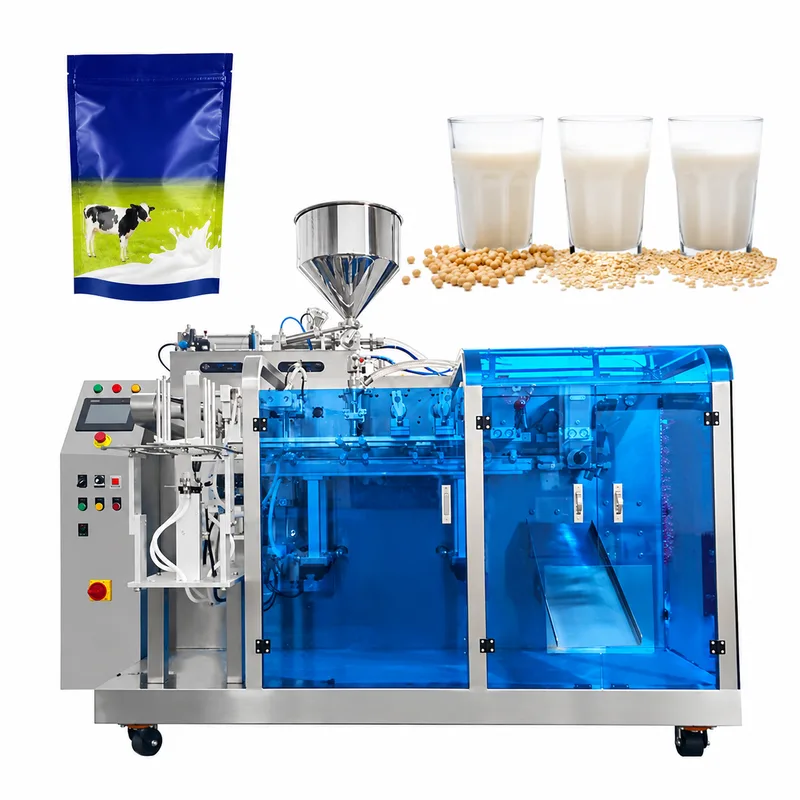
Milk & Beverage Premade-Pouch Filling
Treating a beverage pouch filler as a ready dairy system leaves treatment, cleaning and cold chain unspecified. Use this premade-pouch configuration as the starting point for a milk or beverage review.
Premade Pouches
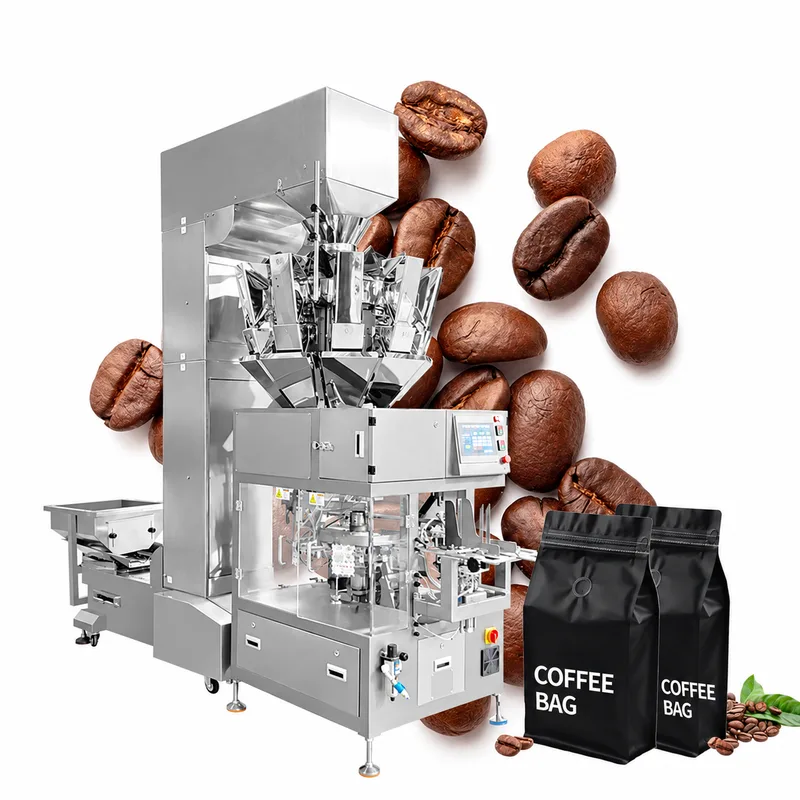
Coffee Bean Doypack Packaging
A valve or zipper too close to the pouch mouth catches beans and spoils the seal. Size this premade doypack line for coffee from your actual pouch, bean condition and fill weights.
Premade Pouches
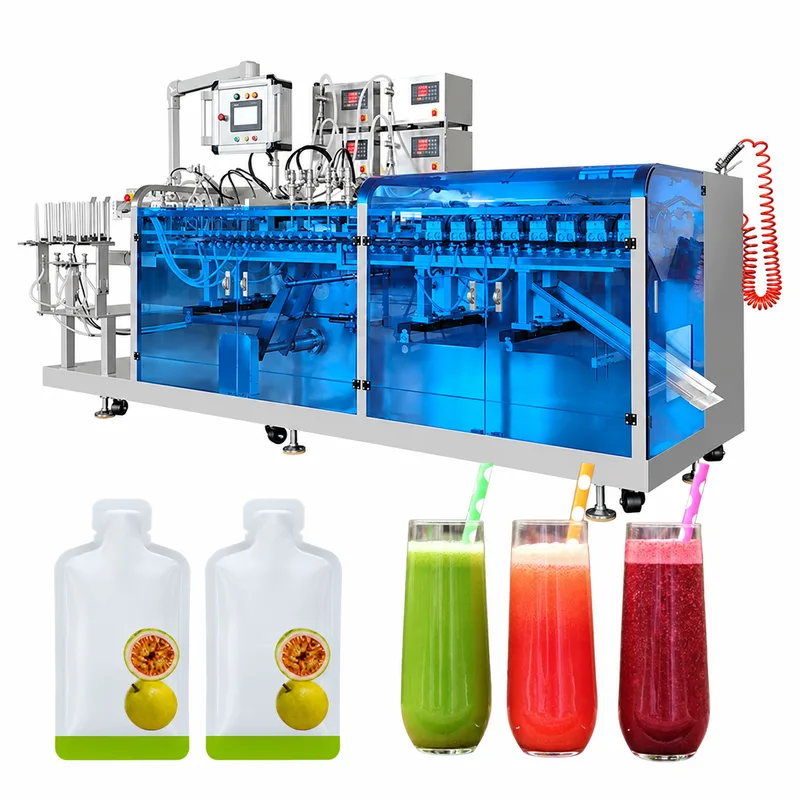
Juice & Beverage Pouch Packaging
Foam or a trailing drop at the pouch mouth contaminates the top seal and the pouch leaks. Specify this premade-pouch juice filler from your beverage condition, fill quantity and actual pouches.
What to send us
| Item | Why we need it | Example format |
|---|---|---|
| Production pouch samples and supplier drawing | Identify the evidence or open question for this review point. | Labeled brief entry + photo/drawing/record reference, or TBD. |
| Bottom-gusset dimensions and any zipper or valve | Identify the evidence or open question for this review point. | Labeled brief entry + photo/drawing/record reference, or TBD. |
| Product form, fill quantity and filling temperature | Identify the evidence or open question for this review point. | Labeled brief entry + photo/drawing/record reference, or TBD. |
| Opening, sealing and filled-stability acceptance points | Identify the evidence or open question for this review point. | Labeled brief entry + photo/drawing/record reference, or TBD. |
We reply within 24 hours.