
Zipper Pouch Packaging
Plan zipper opening, product clearance and the final top seal when selecting equipment for resealable premade bags.
On This Page
Distinguish reclosure from the production seal
A zipper lets the user reclose a pouch after opening. The final production seal above or around the filling opening is a separate part of the package design. Provide a drawing showing the zipper profile, top margin and tear feature. Closing the zipper cannot replace the agreed final sealing operation.
Trial the actual zipper and pouch
Opening behavior depends on the finished pouch supplied to the line. Request an empty-pouch handling trial before evaluating the filling system alone. Include the range of bag sizes and the actual zipper construction. The quotation should say whether it covers the opening mechanism and change parts for all supplied formats. "Suitable for zipper bags" is not an answer.
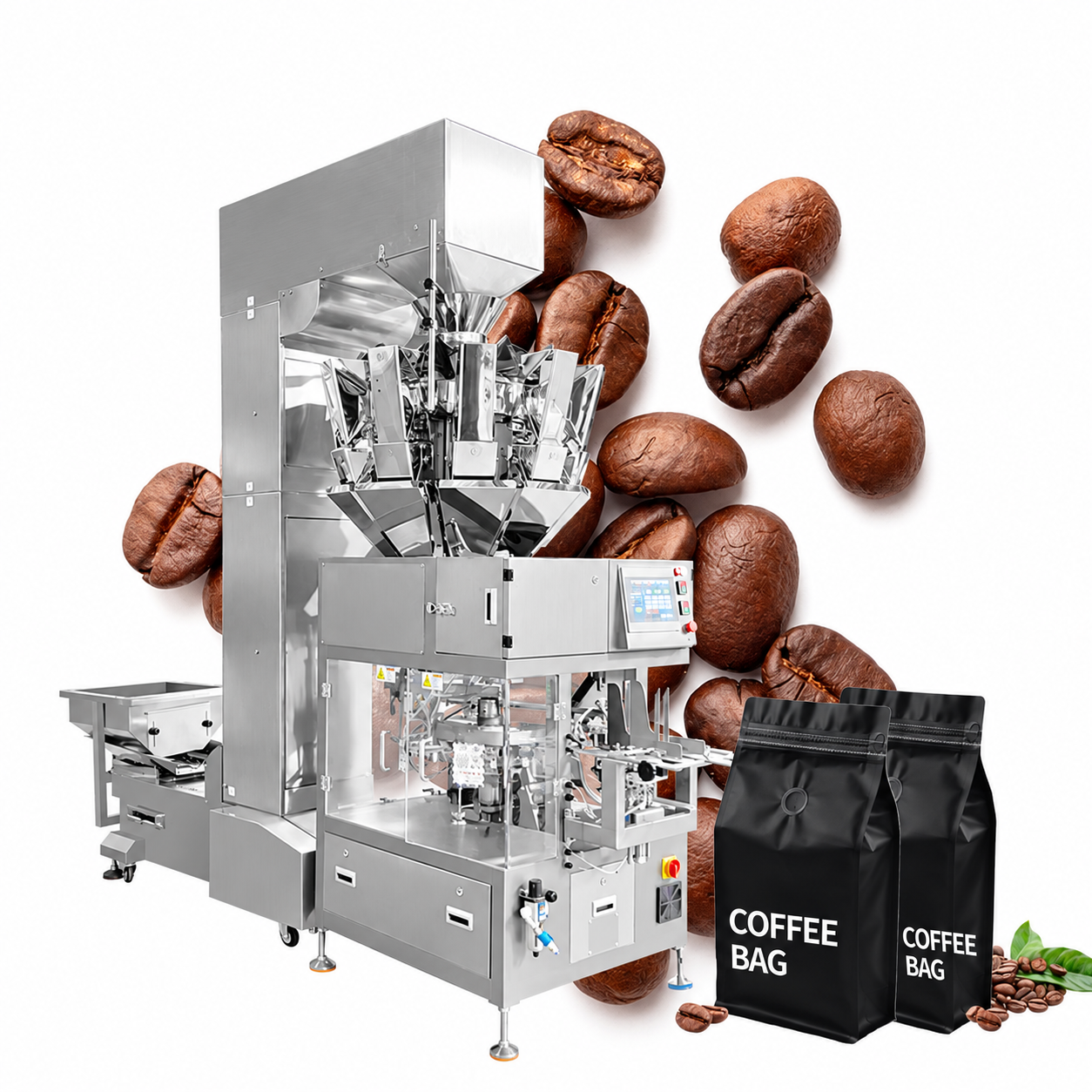
Keep product away from the closing area
The filling path needs clearance from the zipper and the final seal. Gummy candy may need a release trial, while nuts and dried fruit bring different size and surface conditions. Provide the largest pieces and the likely variation in the product. The supplier should explain how the proposed dosing outlet and pouch holding arrangement will be assessed with those samples.
Inspect usability as well as appearance
Check the top seal, tear opening and zipper operation on filled samples. Compare pouches across the intended quantities and watch for product trapped around the opening. Agree which defects require a stop or a rejection during the trial. Record the pouch batch and configuration. Later material changes can then be reviewed against a useful baseline.
Make the zipper specification part of the enquiry
A zipper pouch combines the pouch body with a reclosure component that has its own dimensions and opening behavior. Send actual empty pouches from the intended production source and identify the zipper type, position and usable opening. Overall pouch width does not tell you how much clearance the machine has once the zipper is open. The catalog includes fruit-and-nut and gummy configurations that specifically cover zipper-pouch handling.
The pouch supplier should provide a dimensioned drawing and the relevant tolerances. If you plan more than one zipper or pouch source, identify each version. Do not assume they are equivalent. A visually similar component can still change the opening force, alignment or available filling space. The machine supplier needs that information to propose a suitable opening arrangement and to define which supplied pouch versions the trial will cover.
Evaluate opening before introducing product
Begin the handling demonstration with empty pouches, so pickup, positioning and zipper opening are easy to see. Watch whether the opening is consistent across a representative stack and after the supply is replenished. If an operator helps by hand during the demonstration, write it down. The pouch eventually filling correctly does not excuse it.
Find out how the machine detects or responds to a failed opening. The exact control scope must be confirmed for the quoted configuration. Establish whether filling is prevented and how an affected pouch leaves the sequence. A product spill means extra cleanup and an interruption. A good zipper-pouch application starts with repeatable access to the cavity. The filler then gets a defined opening and does not have to compensate for inconsistent pouch presentation.
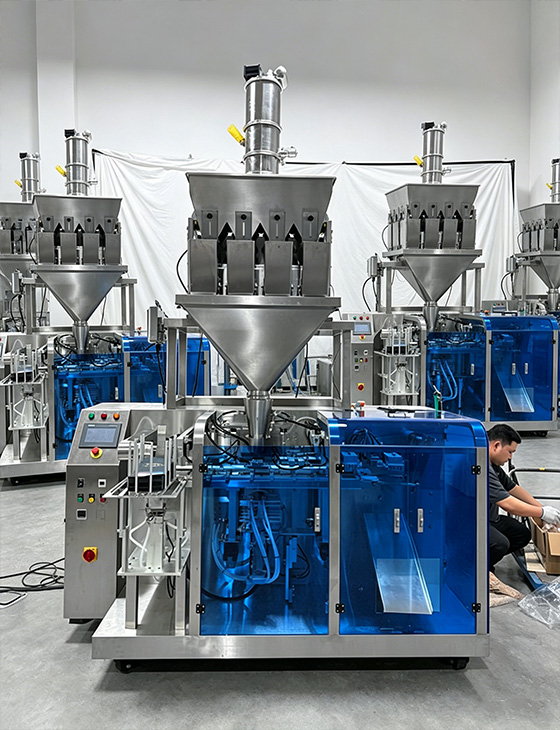
Keep sticky products away from the zipper track
Gummies and dried fruit can bring sticky surfaces, sugar or small fragments near the opening. The filling path should put the dose inside the pouch while keeping the zipper and final seal area fit for their jobs. Review the product coating, piece dimensions and temperature alongside the pouch sample. The catalog's selection guidance stresses actual samples for exactly this reason.
During a trial, inspect the zipper region after filling and after the pouch has been handled. Open and close the zipper on representative samples to see whether residue gets in the way. Record where material builds up and whether it starts during dosing or from later product movement. A clean top seal does not mean the reclosure track is clean. Evaluate the two areas separately, and tie any adjustment to the problem you observed.
Design the first opening and repeated closure together
The consumer first reaches the zipper through the production closure and then uses it to reclose. The tear feature, the printed instructions and the distance above the zipper all affect that sequence. Test it with filled packages made from the intended laminate, because an empty pouch may be easier to grip or tear than the commercial product.
See whether the opening action leaves enough material to grip the zipper and whether the contents come out without difficulty. If the pouch is meant for multiple servings, review the experience after some product has been removed. The package may change shape as it empties. These observations let the packaging team adjust the component layout while the pouch specification can still be revised. Consumer usability should not wait until after machine acceptance.
Review the final seal and zipper as distinct features
The zipper does not replace the required production seal. Define the top-seal position, width and material area with the pouch supplier and the equipment supplier. Find out how the filled pouch is aligned and supported at the sealing stage. A zipper close to that area can reduce the working space, so the whole top construction needs review.
Use the agreed package-inspection methods on finished samples, and tie the results to the pouch material lot and machine setup. If a sample fails an opening or integrity check, work out whether the problem is in the top seal, the zipper attachment, the pouch body or the user tear. That makes corrective action more precise. It also stops an apparently better machine setting from hiding a packaging-component problem that the converter has to deal with.
Account for pouch changes during routine operation
A new pouch supplier, film revision or zipper component can upset a previously stable setup. Keep an approved-format record with the pouch drawing, component identification, demonstrated machine adjustments and a retained sample. Before a revised pouch goes onto the line, the production team should compare incoming material with that record.
For the purchasing trial, include normal stack replenishment, a pause and restart, and the product variants you plan to run. Record handling success, delivered quantity, zipper cleanliness, final closure and consumer opening observations. Where several sizes are planned, show the adjustments and any format parts needed. A zipper-pouch configuration is ready for a defined application when these operations work together on the specified components. Any untested variations should be listed for follow-up, not assumed covered.
- Actual zipper pouch samples from the intended supplier
- Zipper position, top margin and tear-feature drawing
- Largest product pieces, surface coating and fill range
What belongs in an incoming-pouch comparison?
Keep an approved empty sample and drawing on hand for reviewing a new delivery or an alternate converter. Compare top-edge shape, zipper position, usable mouth opening and visible component alignment against that reference. Where a difference could affect handling, set aside samples for a controlled machine check before treating the delivery as equivalent. Record the supplier and material identification with the result. This simple comparison keeps purchasing consistent. The zipper is a working machine interface and a consumer component. It is not a decorative feature that can change without consequence.
Explore the Equipment
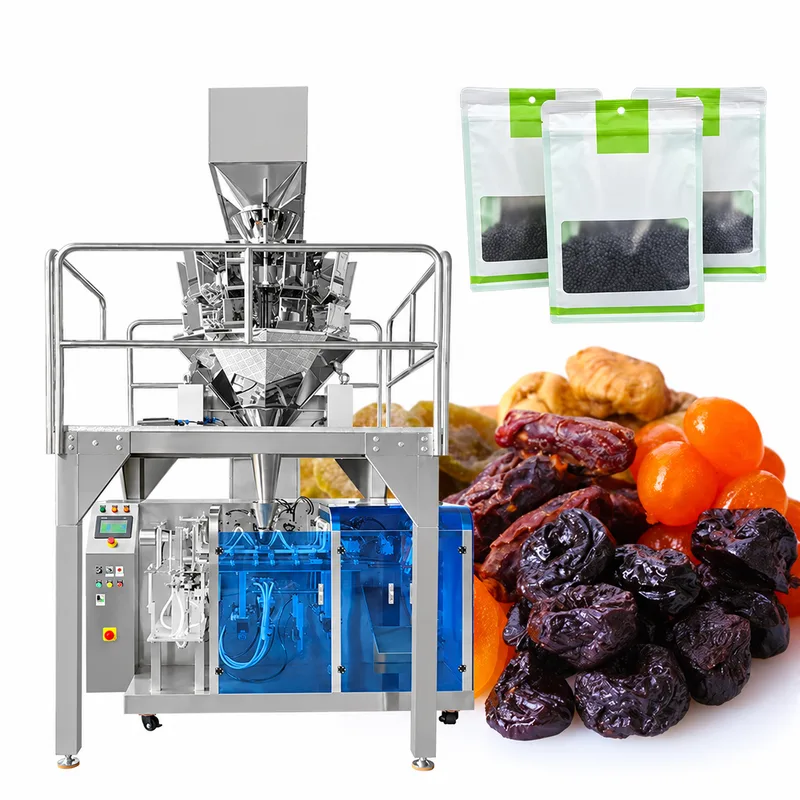
Premade Pouches
Fruit & Nuts Zipper-Pouch Packaging
A zipper pouch can be on weight while the fruit-to-nut ratio drifts. Specify this premade zipper-pouch line from your blend state, largest piece, net opening and fill weight.
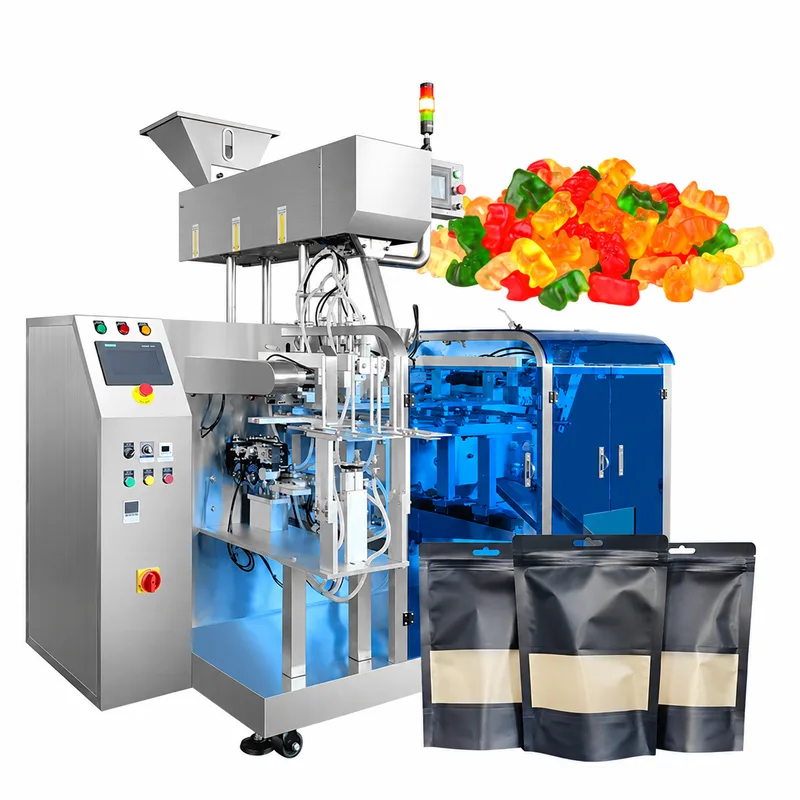
Premade Pouches
Gummy Candy Zipper-Pouch Packaging
Gummies that stick, fold or leave coating on the zipper make on-weight pouches unsellable. Specify this weigher and zipper-pouch line from your coating, piece size, net opening and changeover order.
What to send us
| Item | Why we need it | Example format |
|---|---|---|
| Actual zipper pouch samples from the intended supplier | Identify the evidence or open question for this review point. | Labeled brief entry + photo/drawing/record reference, or TBD. |
| Zipper position, top margin and tear-feature drawing | Identify the evidence or open question for this review point. | Labeled brief entry + photo/drawing/record reference, or TBD. |
| Largest product pieces, surface coating and fill range | Identify the evidence or open question for this review point. | Labeled brief entry + photo/drawing/record reference, or TBD. |
| Opening reliability and finished-pack inspection checklist | Identify the evidence or open question for this review point. | Labeled brief entry + photo/drawing/record reference, or TBD. |
We reply within 24 hours.