
Packaging Machines / Premade Pouches
Gummy Candy Zipper-Pouch Packaging
Gummies that stick, fold or leave coating on the zipper make on-weight pouches unsellable. Specify this weigher and zipper-pouch line from your coating, piece size, net opening and changeover order.
- Route: premade zipper pouch; pouch and zipper opening, weighing, filling, top sealing
- Candy surface: sugar-dusted, oil-coated or uncoated, each assessed separately
- Deciding inputs: largest piece, net pouch opening, portion range
- Changeovers: coating, color, flavor and allergen changes set the cleaning plan
- Speed: none published for this configuration
We reply within 24 hours.
| Product and configuration | Gummy Candy Zipper-Pouch Packaging |
|---|---|
| Published scope | Route: premade zipper pouch; pouch and zipper opening, weighing, filling, top sealing; Candy surface: sugar-dusted, oil-coated or uncoated, each assessed separately; Deciding inputs: largest piece, net pouch opening, portion range; Changeovers: coating, color, flavor and allergen changes set the cleaning plan; Speed: none published for this configuration |
| Inputs to provide | Provide production-representative candy shapes and coatings. Compare incoming and packed candy for damage and retained pieces. Check zipper contamination and complete release after a planned pause. |
Configuration & Selection
Choose the feed, transfer and opening tools from the candy's real surface and storage condition, not the word gummy. A dusted, an oiled and an uncoated gummy release differently; sticking or late pieces leave coating on the zipper and pouches that are on weight but deformed or unsealable. Provide candy samples, surface-coating information and the finished pouch to validate release and seal cleanliness. Send gummy samples with their coating and storage condition, empty pouches, portion weights and your recipe change order through the enquiry form or WhatsApp; physical samples are arranged separately.
On This Page
A zipper-pouch configuration for coated confectionery
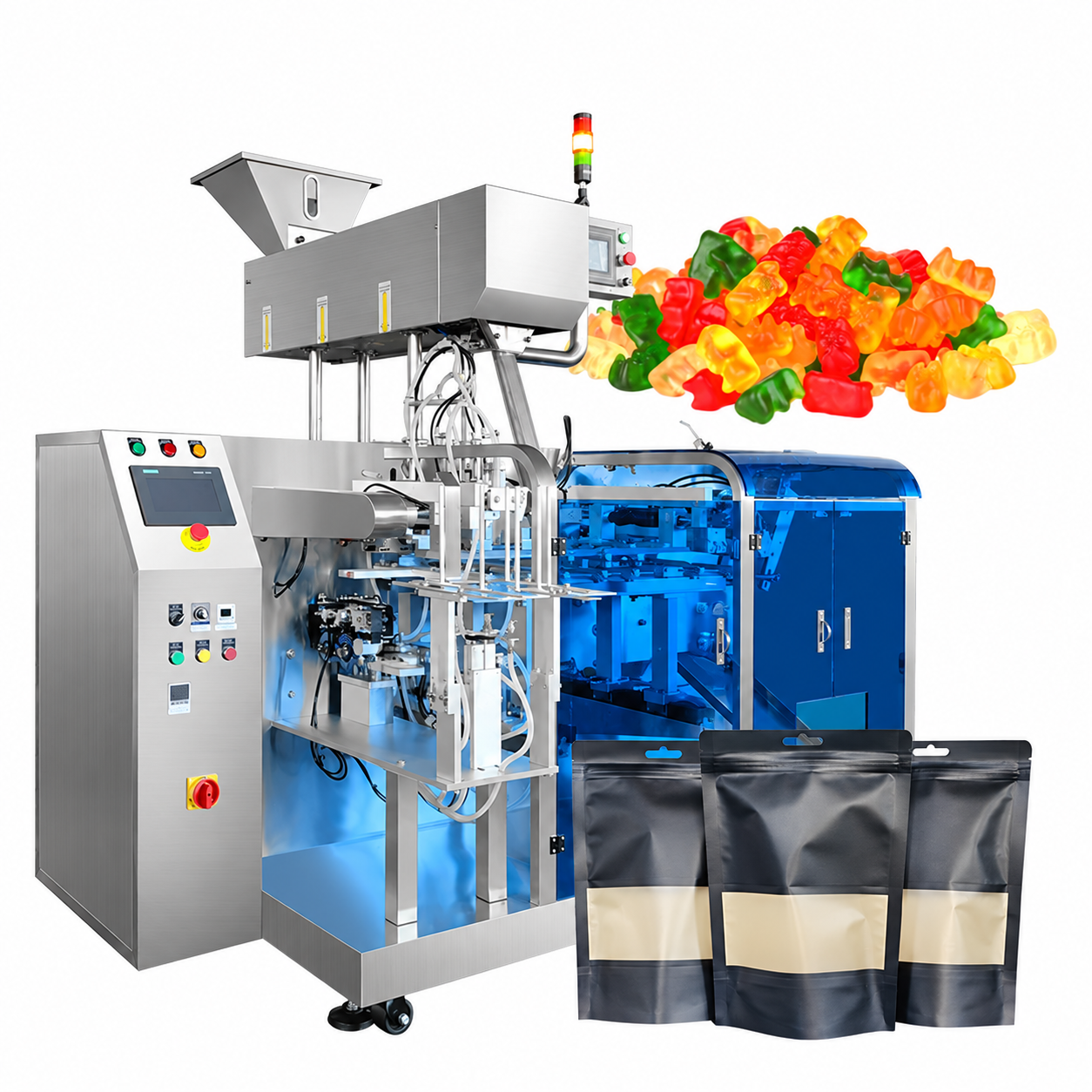
The gummy candy configuration pairs product weighing with automatic handling of premade zipper pouches. The published configuration lists bag retrieval, opening of the pouch and zipper, measurement, filling, final sealing and discharge. That is a fair starting sequence for planning a confectionery line. But "gummy" covers products with very different surfaces and flexibility. A sugar-dusted piece, an oil-coated shape and a soft uncoated sweet may not behave the same way in the proposed feed equipment.
Your job as the buyer is to connect the real condition of the candy to a controlled release into an open retail pouch. Define the range of shapes, piece sizes, coatings and portion weights before the weigher and transfer arrangement are selected. Review the configuration with production-representative samples and the intended pouch. A catalog photograph shows a general arrangement. It cannot confirm compatibility with every gummy recipe, and it proves no particular output for yours.
Takeaway: Define shapes, sizes, coatings and portions before the weigher and transfer are selected.
Assess release from the feeding and weighing parts
Have the supplier trace the candy path from the inlet to the final discharge. Where do pieces spread out, where do they wait, and how do they leave each weighing or transfer component? What you want to see is more than movement. Pieces should release together at the intended moment, with no tail of delayed candies. Soft shapes that touch one another may behave differently from single pieces placed by hand.
Use samples with the coating and storage condition expected in production. If that condition changes noticeably during handling, note the time between sample preparation and testing. During the trial, watch for buildup on product-contact surfaces and compare early operation with later operation. When release gets worse, find out which part of the flow path changed and what adjustment the supplier proposes. A real adjustment to the flow path is useful progress. Be wary only of an improvement that came from swapping in a drier, freer-flowing candy that is not your planned product.
Takeaway: Compare early and later operation, with samples in production storage condition.
Preserve shape through the transfer into the bag
Appearance can matter as much as fill quantity in confectionery. Check whether the proposed discharge path folds long gummy shapes, scuffs coated surfaces or hits delicate pieces hard in one spot. Go over the transfer distance and the chute opening size with the supplier. These are configuration decisions to settle with samples. The product name alone cannot fix them.
Open retained pouches and look inside, because the outside tells only part of the story. Separate damage that was already in the incoming candy from damage seen after the machine trial. A comparison sample from the same batch makes that easy. If the product comes in several shapes, inspect each one, since the largest or most flexible item may set the usable transfer path. Agree before the demonstration which appearance defects are unacceptable. Otherwise the verdict can shift with expectations after the run.
Common mistake: Passing a trial on fill weight while long gummies are folded or scuffed inside the pouch.
Takeaway: Compare packed pieces with incoming pieces from the same batch.
Keep the zipper and final seal free of coating
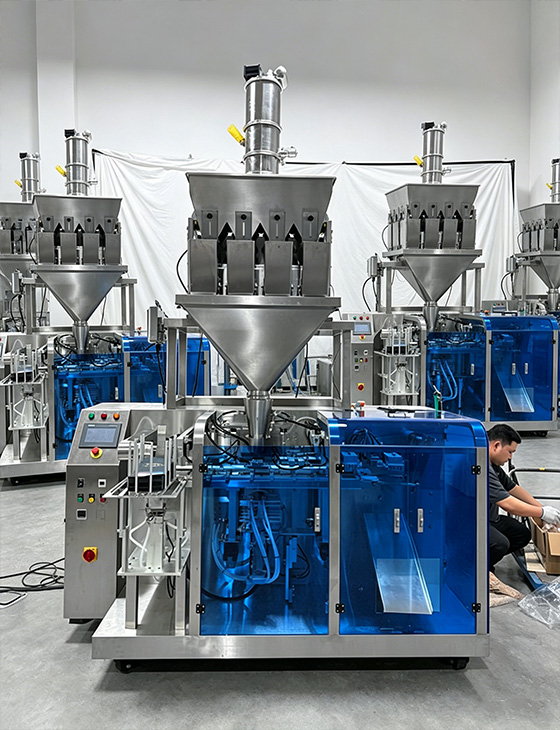
Sugar dust and oily residue show up differently at the pouch mouth. Dust may collect visibly on the zipper and sealing surfaces, while a light oily smear is easy to miss in a photograph. Where the machine's safe demonstration arrangement permits, inspect the bag opening closely after filling and before final closure. Watch whether candies or fragments arrive late enough to get trapped near the top of the package.
Supply the intended zipper pouch, with its actual laminate and zipper position. Confirm that the opening tools leave enough clearance for the chosen filling chute and that the filled pouch stays properly held during closure. Keep samples for the seal and reclosure evaluation you have agreed. If you find contamination, trace the source. It may be product dust generated upstream, residue carried over by the chute, or pieces entering after the main dose. Each points to a different part of the sequence.
Takeaway: Trace any zipper contamination to dust, chute residue or late pieces.
Prepare for recipe and coating changeovers
A confectionery range may include products that look alike but leave different residues. List changes in coating, color, flavor and allergen profile next to changes in candy shape. Find out how the selected product-contact parts are reached and inspected, and which areas need tools or extra disassembly. Your own cleaning requirements should drive the review. One quick wipe will not suit every change.
After cleaning, check that reassembled parts still line up with the filling opening and that no loose product is left in the feed path. Record setup values and interchangeable parts by product and pouch code. If an operator must adjust the chute or opening tools by hand, put that step in the documented changeover demonstration. What you want is a repeatable sequence that restores clean product flow and correct pouch handling. Formal cleaning verification stays with the plant's defined procedure.
Takeaway: Record setup values and parts by product and pouch code.
Test portion changes with the same attention as bags
Change the target candy portion and you change how long the pouch has to stay open and how the product settles before sealing. A larger portion may need a different pouch. A smaller portion in the same pouch also deserves a look for appearance and stability. Give the supplier the complete intended portion range and name the combinations you will actually sell, instead of requesting a theoretical maximum range.
For each representative combination, record the pouch code, candy shape, surface condition, target quantity and selected feed arrangement. Watch the first packages after settings change, not just the samples taken once the line has stabilized. Operators learn the machine faster when they know which parameters belong to the weighing equipment and which to the pouch machine, so get that split explained. A narrow or unusually shaped pouch may need extra tooling. The proposal should name it before the machine scope is final.
Takeaway: Name the candy and pouch combinations you will sell, not a theoretical range.
- Provide production-representative candy shapes and coatings.
- Compare incoming and packed candy for damage and retained pieces.
- Check zipper contamination and complete release after a planned pause.
Observe pauses, refill events, and rejected packs
A good gummy trial includes normal production interruptions on purpose. Refill the product supply, replenish the pouch magazine, stop for a planned interval and restart with the same materials. Does the first discharge after the wait differ from steady operation? A short continuous demonstration would hide retained pieces or changes in surface adhesion, and this reveals them.
Agree beforehand how fill results, visible candy damage, zipper contamination, seal defects and incomplete pouch opening will be recorded. Any quoted detection or rejection function should be shown in a controlled demonstration. Safety, inspection and no-pouch responses are not identical across configurations, so confirm what this one does. Keep rejected packages and notes tied to the operating event that produced them. When the same event is repeated, those records show whether a change in feeding, pouch opening or timing actually solved the problem.
Takeaway: Keep rejected packs tied to the event that produced them.
Specify the confectionery project in usable detail
Send a representative set of candy samples with descriptions of coating and storage condition, plus empty retail pouches and the intended portion weights. Add the number of recipe changes you need per shift or batch cycle. Say what cleaning access you have and how the upstream equipment is laid out. If the supplier has to work with downstream coding, weighing, inspection or cartoning, name those interfaces too.
The quotation should list the selected weigher, transfer path, pouch-opening arrangement, format parts and optional inspection functions. Any performance figure ought to name the candy and pouch combination it rests on. The best evidence is a recorded trial with your materials that shows acceptable product appearance, complete discharge, clean closure and recoverable interruptions. New coatings or shapes can then go through a defined review. One successful run with one gummy proves nothing about all confectionery.
Comparison samples: incoming, packed and after a pause
Take three samples from the same candy batch, so damage and sticking can be traced to the machine rather than the raw material. The headings follow the release and zipper sections above.
Incoming: candy as it reaches the inlet, with its coating and storage time noted.
Packed: pouches from steady running, opened to check piece shape, folding, scuffing and fill.
After a pause: the first pouches after a planned stop, checked for pieces that stuck together, late pieces and coating on the zipper.
Takeaway: A defect that appears only in the third sample points to retained product and restart timing.
When this does not apply
No speed, pouch range or portion range is published for this configuration. One successful run with one gummy does not cover other coatings or shapes. Detection and rejection functions differ between configurations and are included only when quoted. Formal cleaning verification stays with your plant procedure.
Takeaway: Put each new coating or shape through its own defined review.
Frequently asked questions
Is a sample that dried out in transit still representative?
Not fully. Drier candy releases more easily than production stock and can make the line look better than it will run. Note the time between sample preparation and testing, and use production storage condition where possible.
How do I check for deformed gummies when the weight is fine?
Open retained pouches and compare the pieces with an incoming sample from the same batch. Long or flexible shapes can fold or scuff in the discharge path without changing the weight.
How should sticking after a stop be observed?
Stop the line for a planned interval, restart with the same materials and compare the first discharge with steady running. Retained pieces or changed surface adhesion show up in those first pouches.
What is the best type of packaging for gummy bears?
This page covers premade zipper pouches. The right package for your gummies depends on coating, storage and how they are sold, which your packaging team decides; the machine review then checks release, transfer and a clean closure on that pouch.
Bag Format Selection
Review the pack requirements for your enquiry. Compatibility is confirmed for the selected equipment and sample.
Planning Guides for This Configuration
These pages cover the system type, trial preparation and project checks that apply to this configuration.
Request a Packaging Configuration
We reply within 24 hours. Tell us what you need to pack. Leave quantity and output blank if you are still deciding. When you continue, WhatsApp opens with your enquiry written out so you can review it and send it to our team.
Explore the application · Configuration and project support
Related Packaging Configurations
Vertical Form Fill Seal
Candy Multihead Weighing & Packaging
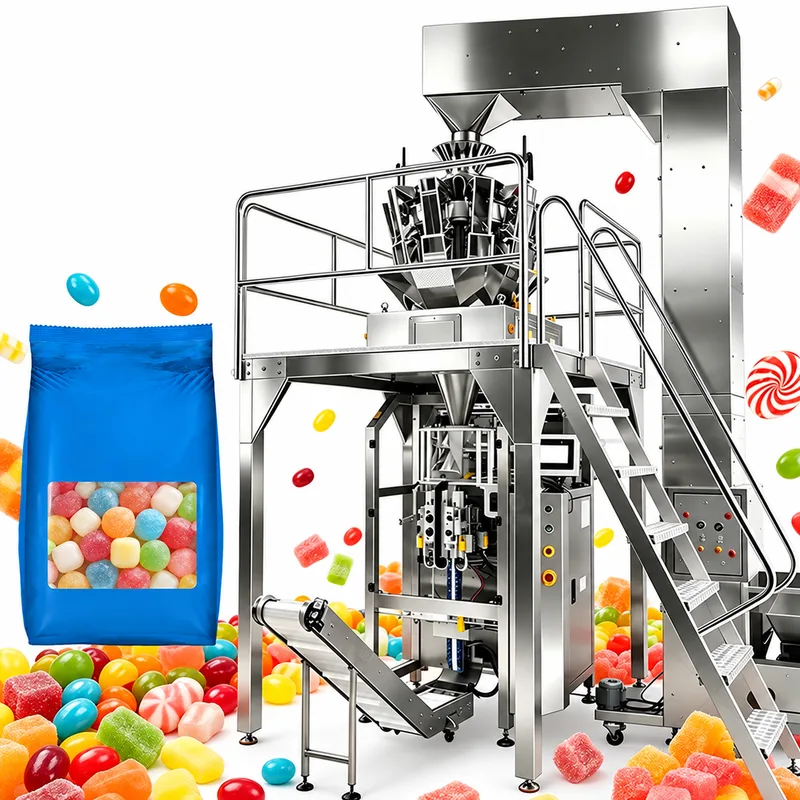
A correct bag weight can still hide broken, stuck or wrongly mixed sweets. This multihead weigher and VFFS line is set up around your candy's coating, size and pack.
What to send us
| Item | Why we need it | Example format |
|---|---|---|
| Gummy samples | Coating and storage condition decide release. | Samples per product in production storage condition, labeled with age. |
| Coating description | Sugar dust and oil films behave differently on surfaces and zippers. | One line per product: dusted, oiled or uncoated. |
| Empty retail pouches | Net opening and zipper position set chute clearance. | Unused pouches with opening width and zipper position in mm. |
| Portion weights | Set dwell time, settling and pouch size. | Net weights in g for each pouch you sell. |
| Recipe change order | Drives cleaning between colors, flavors and allergens. | Planned sequence of products per shift. |
We reply within 24 hours.