
Cheese VFFS Packaging: A Trial Brief for Shredded and Diced Products
Unrepresentative cheese samples can mislead selection. Plan a VFFS trial around shredded or diced product, portion records, discharge and seal observations.
| Input or item | Value or source | Why it matters |
|---|---|---|
| Cheese form | Buyer sample: shredded or diced | Defines separate result groups |
| Handling condition | Product-team record | Keeps the sample representative |
| Portion and pack | Buyer specification and drawing | Sets weighing and package checks |
| Film and acceptance | Material reference and agreed method | Connects seal findings to the pack |
Choose the next review by task
Use these guides to prepare the inputs for the observation record and the next review.
- Machine catalog — identify a starting configuration
- Multihead VFFS — understand the feed and weighing route
- Product damage — compare incoming and downstream samples
- Sticky feeding — distinguish supply from retained product
- Fill weight — separate mass from occupied volume
- Film requirements — identify the trial material
- Cleaning access — prepare the contact-part review
- Sample report — retain conditions with results
On This Page
What should a cheese VFFS trial decide?
A short run with an easy sample can hide the handling problem that matters in production. Evaluate shredded and diced cheese as separate sample conditions, then connect feeding, portion weight, discharge and the finished seal in one observation record. The output is a configuration question with supporting evidence, rather than an approved cheese-machine designation.
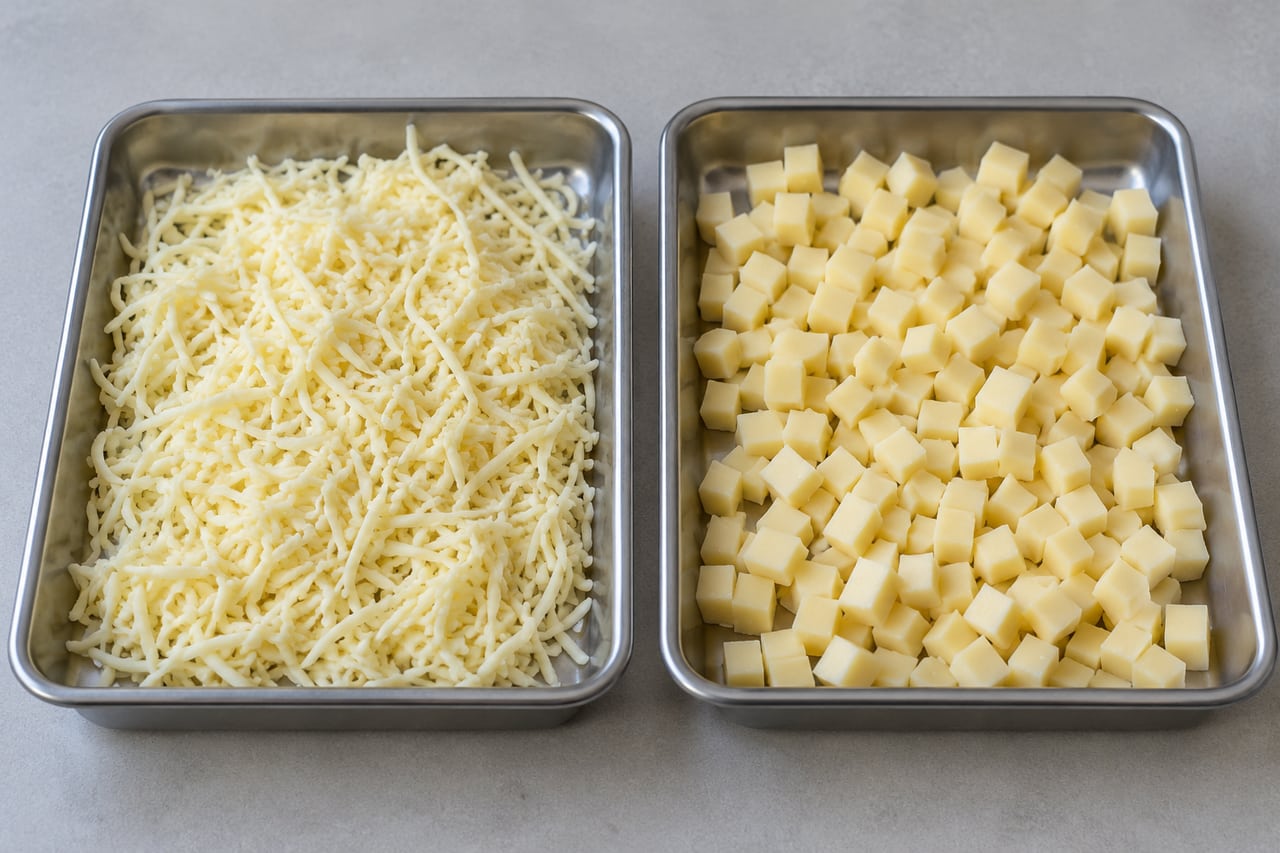
Which cheese samples belong in the brief?
Identify the cheese form, formulation reference and condition at the intended point of feeding. A photograph of loose shreds does not describe a batch containing compacted clusters, and diced pieces deserve their own sample identity. Record the lot, piece-size description, declared ingredients or coatings relevant to handling, and whether the material arrives freshly prepared, held or transferred from another process. Keep those descriptions with the samples rather than sending an unlabelled bag.
Temperature belongs in the sample record as an actual condition supplied by the product team. Record where and when it was measured, the handling history and the proposed production condition. Ask that team to define permitted storage and exposure; this guide supplies no temperature recipe. If the trial material changes condition before it reaches the feeder, mark that interval so a later reviewer can distinguish an equipment observation from a different incoming product.
Choose sample conditions that represent the products the buyer actually needs to pack. If a difficult lot is unavailable, record the missing condition and leave its suitability open. Photograph the incoming shreds or dices before the trial and retain their identity with the finished package samples. This gives the observer a baseline for separating incoming fragments or clumps from changes introduced along the packaging route.
Does the feed stay distributed or arrive in clusters?
Watch the approved feed observation points and record the relationship between incoming supply and material leaving the feeder. Describe a shortage of incoming product separately from product that is present but retained. For shredded cheese, note visible clusters or strands remaining at a transfer point. For diced cheese, record the actual piece presentation and any retained groups without assuming that its behavior matches the shredded sample.
A useful entry states the sample identity, observation location, run stage and what changed. For example, a blank trial form can offer choices such as evenly distributed, intermittent supply or visible retention, with space for the observer's description. Those choices are prompts, not results. Ask the trial team to identify the feeder arrangement and permitted adjustments used for each result group. Do not attribute an improved run to one adjustment if the product condition or upstream supply also changed.
Include replenishment in the observation. A result gathered only while the inlet is full leaves a different question from one gathered after a refill or supply interruption. Record those events against the run sequence, so the buyer can ask whether the proposed feed arrangement covers the production situation. Observation should remain at positions approved for the trial; access or recovery of retained material follows the equipment procedure.
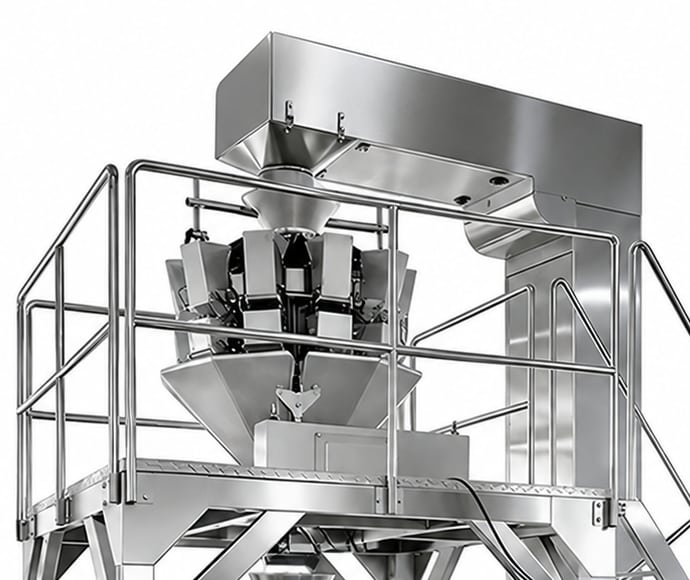
What does the portion-weight record actually show?
Keep individual finished-pack weight records connected to the cheese sample, package identity and trial interval. Ask the trial team to state the weighing method, tare basis and acceptance limits before judging a result. A dose displayed at the filler and a finished pack weighed afterwards are different observations. Note which one the record contains and whether product was lost or retained between those positions.
Retain the measurement sequence rather than reporting only a favorable average. Include packs associated with replenishment, pauses and adjustments as labelled groups. Record accepted, rejected and unresolved packs under the same agreed rules, while leaving the quality decision with the responsible team. If weights are unavailable, mark the field pending instead of converting a visual impression of fullness into a dosing result.
Compare shreds and dices within their own defined conditions. A portion that looks larger may simply occupy the package differently; it is not evidence that the weighing system changed accuracy. Use the same traceable record structure for each group, but do not combine their results into a single cheese-wide claim. The buyer can then ask a focused question about a sample condition or transfer stage without treating the trial as a universal performance statement.
Can the whole dose reach the bag before closure?
Connect release observations with the package samples from the same run interval. Ask the trial team to identify where the measured portion leaves the filler and where the bag closes. Record visible retention, trailing pieces or an interrupted release from safe observation points. Keep these descriptions distinct from the portion-weight finding, because the filler record alone does not describe what reaches the bag.
Use incoming and downstream product photographs to discuss changes in presentation. If broken dices or compacted shreds appear in the bag, compare them with the incoming baseline and identify the sampling position. A finished-pack photograph by itself cannot locate the stage responsible. Ask for observations at the approved transfer points rather than choosing a gentler-sounding device from a catalog description.
The useful decision is whether the proposed product path needs further evaluation with the same cheese and pack. Record the configuration revision, sample condition and any changed transfer component with the result. If the trial team changes several features together, retain the outcome as belonging to that complete arrangement. This keeps an observation from becoming an unsupported promise about drop height, product damage or the suitability of an untested configuration.
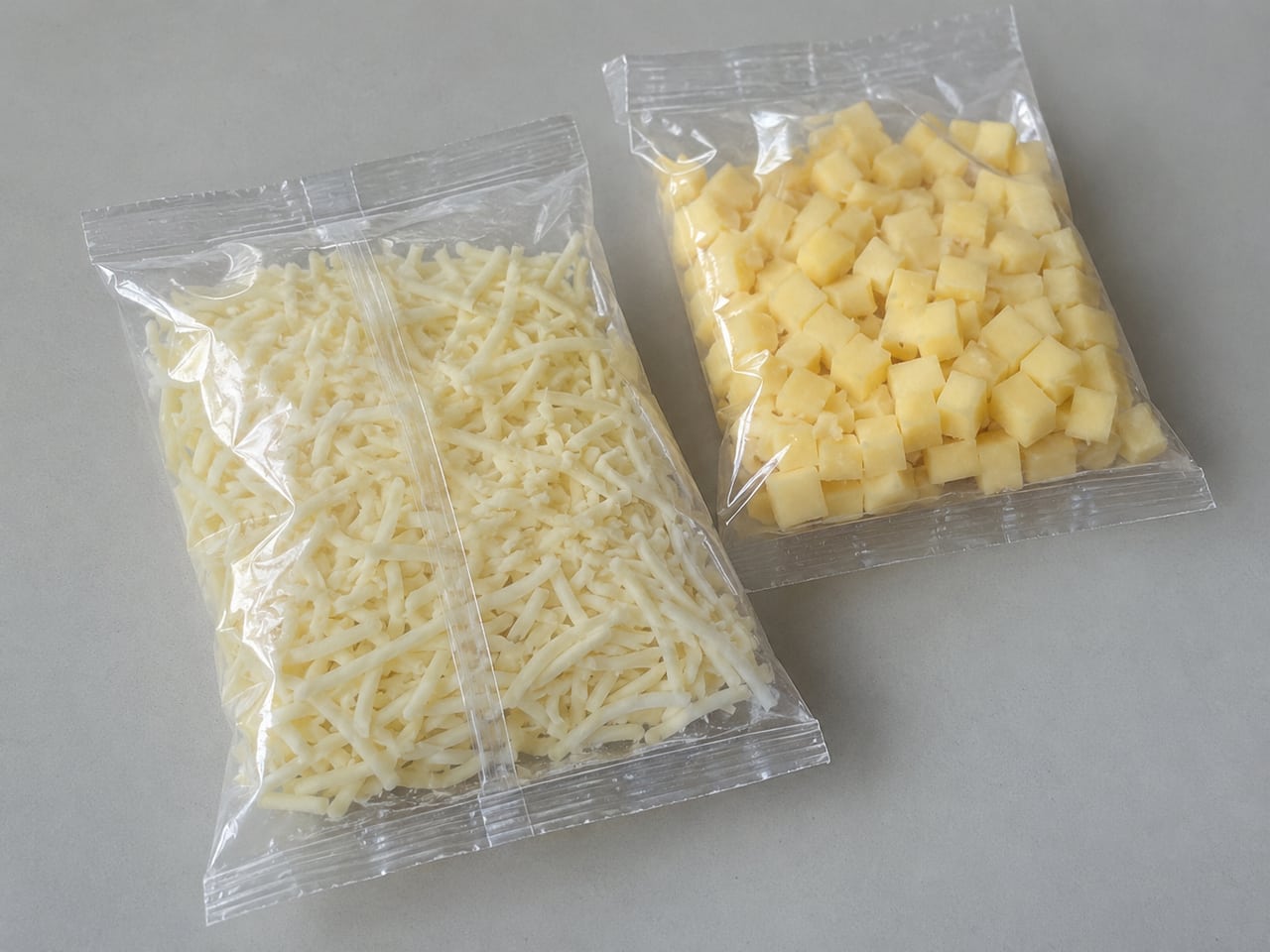
What belongs in the seal observation matrix?
Separate the longitudinal seam from the cross seals when documenting the package. Mark the location of visible cheese, folds, incomplete closure or other observed defects on a safe close-up photograph of a retained bag. Record whether the defect appears at the same location across successive samples or belongs to a particular refill, stop or adjustment interval. A plain description is more useful than declaring the seal temperature incorrect without evidence.
Product in an end seal and timing between filling and closing are recognized troubleshooting concerns, but they remain possible explanations rather than a diagnosis of the trial machine. Keep the filling-stage observation beside the seal photograph. Ask the authorized trial team to identify the relevant settings and package evaluation method; do not supply generic time, temperature or pressure values from another machine.
The film reference and package drawing need to accompany the record. Identify the roll or material revision and the intended seams so the reviewer can interpret the sample. A visually clean seam does not establish leak resistance, shelf life or a food-safety outcome. The product and packaging teams should define their required package checks and retain those results separately from the external appearance observations described here.
| Observation row | Sample and run identity to enter | Observation and follow-up to enter |
|---|---|---|
| Incoming cheese | Sample ID: ____; shredded/diced: ____; lot/condition: ____ | Baseline photo: ____; untested condition: ____; owner: ____ |
| Feeding | Sample ID: ____; configuration/revision: ____; run interval: ____ | Supply/retention/refill: ____; evidence: ____; open question/owner: ____ |
| Portion and discharge | Sample ID: ____; tare/method: ____; bag IDs: ____ | Individual weight record: ____; release observation: ____; next review: ____ |
| Sealing | Bag IDs: ____; film revision: ____; seam location: ____ | Observed appearance/check result: ____; evidence: ____; disposition/owner: ____ |
| Cleaning handover | Product sequence: ____; contact route/procedure: ____ | Access/residue question: ____; reassembly/release record: ____; owner: ____ |
How should cleaning and the next product be handed over?
Record the product-contact route the proposed arrangement actually uses, including feed surfaces, weighing contact parts and discharge areas. Ask for the permitted cleaning method and the procedure governing access, removal and reassembly. Photographs help identify locations, but steel surfaces or removable parts do not establish washdown suitability, hygienic certification or cleaning effectiveness.
For a trial covering more than one cheese condition, identify the sequence and the release decision between them. Note which residues matter to the product team and who is responsible for defining inspection and cleaning acceptance. Include the handling space needed for the documented procedure, especially around an elevated weighing arrangement. Access that looks possible in a catalog view may raise a different question in the buyer's proposed room.
The handover should name the product, configuration revision, unresolved access questions and documents still needed. Keep any demonstration of removal separate from validation of the cleaning process. If the next formula or site procedure has not been assessed, leave that changeover pending. This makes the cleaning discussion a specific operating requirement attached to the cheese trial, rather than a broad claim that the machine can handle every dairy product.
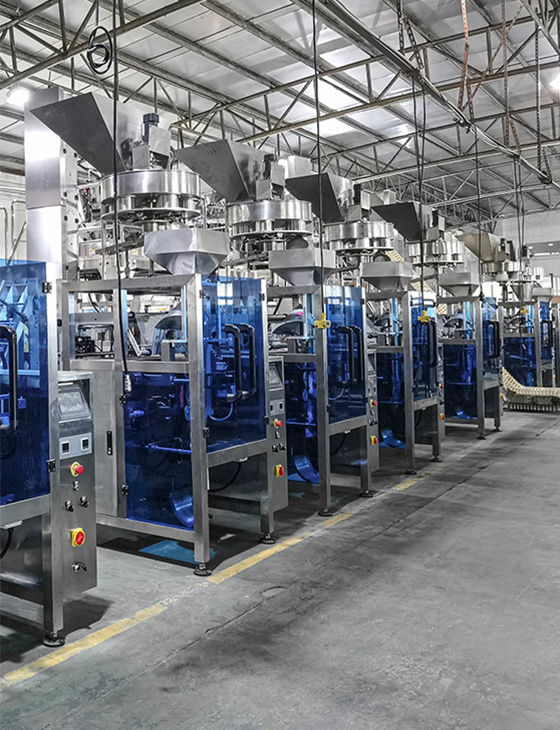
When does this trial brief not apply?
This brief addresses loose shredded and diced cheese proposed for a VFFS bagging route. Whole pieces requiring individual wrapping, other package-making methods and a general comparison of cheese preservation materials need different decisions. Do not use a successful bagging observation to approve those formats or to infer a validated shelf-life program.
Keep the remaining project questions visible: the actual sample condition, selected filler and feed arrangement, film, pack dimensions, required accepted output and package acceptance method. If any of these differs from the trial, ask which observations need to be repeated. A catalog profile can help locate a starting configuration, but no profile on this page is designated as a proven cheese model. A completed trial record should end with the conditions observed, the unresolved item and the responsible next review, not an automatic purchase approval.
Method and sources
The trial questions draw on public cheese application descriptions covering shredded and diced products and weighing/feed context. Published VFFS troubleshooting guidance separately identifies seal defects, product caught in end seals and timing between filler and bagger as concerns to investigate. Those descriptions apply to their stated equipment and situations; they establish no performance figure or endorsement for this catalog.
The detailed sample, replenishment and cleaning entries are buyer preparation suggestions, not measured findings or an industry-standard procedure. Each matrix row leaves space for an actual sample identity, observation and responsible next review. Use the installed equipment documents for operation, and obtain handling and package-approval requirements from the responsible product team. The adjacent configuration and sample-report guides explain how to keep the resulting records connected.
Frequently asked questions
How do we separate incoming fragments from damage added by the line?
Compare downstream samples with a labeled incoming baseline of the same shredded or diced lot, using the agreed defect description and inspection basis. A broken piece in a bag does not by itself locate the damage stage.
Is the feeder short of product or holding it back?
Tell them apart by recording inlet supply and outlet retention as separate observations. A feeder without incoming cheese and a feeder holding a visible cluster raise different review questions. Obtain any inaccessible observation through the authorized trial team.
Why might a clean startup later develop buildup?
Because conditions at startup are not the conditions later in the run: processed quantity, coating, recorded product temperature and dwell history can change. Compare the same accessible locations against those fields beside the residue observation; none establishes the cause for this cheese sample without an authorized evaluation.
Is a correct dose enough to approve the package?
No. Retain bag observations alongside portion measurements, especially if a trailing piece or residue appears near closing. Correct portion mass alone does not establish the completed package condition or its agreed seal acceptance.
Does a good-looking seal prove shelf life?
No. Retain the film reference and the agreed package-check method. Appearance is useful for locating a process observation; shelf life needs the product and packaging teams' separate evidence.
Does stainless steel mean the machine can be washed down?
No. Ask for the permitted cleaning method for the actual product-contact components and site conditions. A steel appearance cannot establish washdown suitability or a validated cheese-changeover procedure.
What to send us
| Item | Why we need it | Example format |
|---|---|---|
| Cheese forms and handling condition | Identify representative material groups | Labeled samples and condition record |
| Portion and package drawing | Define mass and package observations | Target brief with dimensioned drawing |
| Film reference and retained bags | Connect seal observations to material | Roll reference and labeled package photos |
| Feed, discharge and cleaning notes | Identify unresolved configuration questions | Observation log and procedure references |
We reply within 24 hours.