
Nitrogen Flushing Checklist
A nitrogen option alone does not prove shelf life. Define the package objective, gas-supply boundary and sampling times, then judge gas observations together with seals and accepted output.
| Input or item | Value or source | Why it matters |
|---|---|---|
| Package objective | Buyer product requirements | Define what the trial must answer |
| Supply boundary | Quoted connection scope | Assign utility and equipment responsibilities |
| Sampling time | Agreed method and instrument | Keep initial and later readings apart |
| Complete result | Seal checks and accepted output | Avoid selecting only a favorable gas reading |
Choose the next review for your project
Use the records below to identify the unresolved decision. These related pages explain the corresponding configuration, measurement or service scope.
On This Page
Define the package objective
Nitrogen flushing is an equipment option, judged against a product and package objective. It is no shelf-life guarantee by itself. Specify whether the project is looking at product protection, headspace conditions or a particular retail pack requirement, and bring in the people responsible for product quality. A machine trial can show operation and collect package measurements. It can't replace a product-specific storage study.
Describe the complete package. Include material, seals, volume and any valve. Headspace amount and behaviour depend on the actual product dose and package geometry. A gas-related value copied from another snack or coffee project may be the wrong acceptance limit. Agree the measurement method, timing and target for your own product before the demonstration.
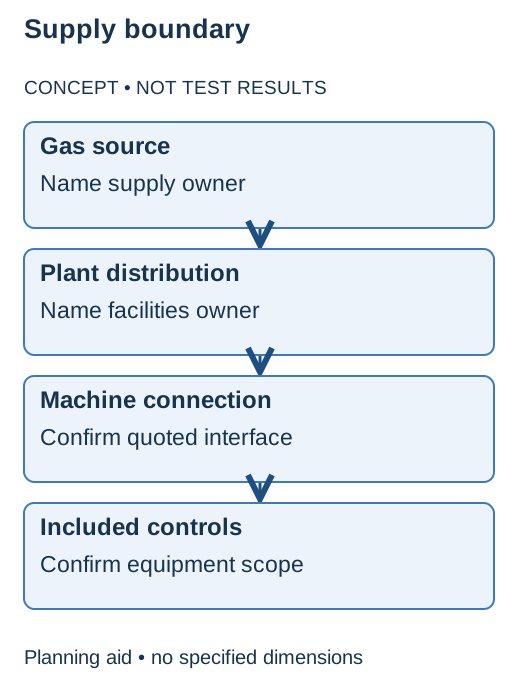
Assign gas supply and measurement responsibilities
Find out what supply conditions are required and which connections or controls come with the machine. Some factory equipment and distribution work will sit outside the quotation, so list it. Mark the gas interface on the layout and assign someone to own it. Then keep the agreed supply information with the final configuration.
Identify the proposed gas source. Note the connection requirements and who is responsible for supply quality. Get the equipment supplier's pressure and flow requirements under the agreed conditions. Utility capability is one thing and the amount a given recipe consumes is another, so keep them apart. Assess the available source at the actual installation point. A gas line elsewhere in the building proves nothing.
For package measurements, name the instrument and its checks, the sampling procedure and when each pack is measured. Label samples so results link back to the operating recipe and material lot. If packs are measured again after storage, report that result separately from the first one. A difference over time calls for investigating the complete package and product. Blaming the flushing device straight away is premature.
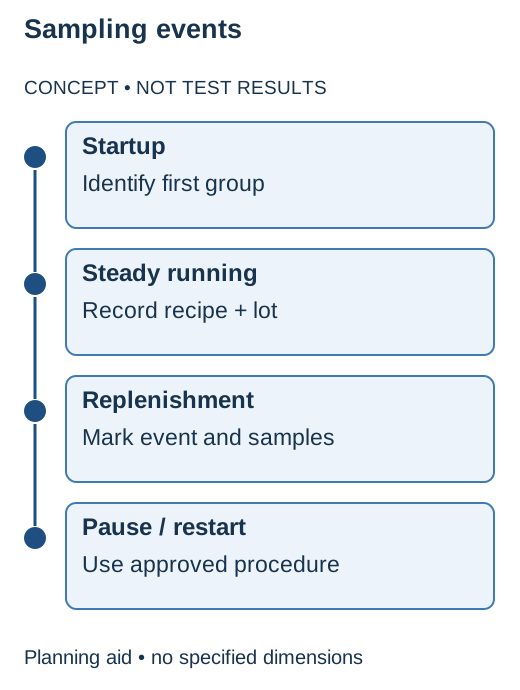
Plan sampling across operating events
Measure the agreed package characteristics with a defined sampling method. Record output and the enabled options at the same time, and note any change in bag size, quantity or settings during the run. Look at package seals and handling together with the gas measurement. Acceptance should rest on the complete filled pack.
Agree what is measured in the package. Agree the instrument and when samples are taken. Choose sampling positions across the run, including startup and relevant operating events. Picking only the best-looking packs after the trial defeats the purpose. The plan should reflect the question being investigated, and the people responsible for product and package requirements should agree it.
Record the package and product lot. Do it for every group of measurements. Add the fill target, film or pouch specification and operating recipe. If the gas setting changes, start a separately identified group of results. The team can then compare conditions without blending them into an average that no single production recipe actually produced.
Keep instrument information in the record, because the right checks and operating method come from the instrument documentation and your own procedure. A single unexplained measurement is not proof of a good or bad package. Before drawing a conclusion that could change the configuration, review the method, sample handling and equipment condition.
Complete the observation record
Use the first three fields as a supply-responsibility record before a demonstration is planned. Name the party responsible for each connection and leave unquoted equipment visibly unresolved. For observations, create a separate row or sheet for startup, steady operation, replenishment and pause or restart groups selected in the protocol. Keep the pack identification beside the measurement time, including any later observation after storage. Do not combine an initial reading with a later reading under one sample result. If a gas interruption occurs, link the event to the affected group and the approved hold or release instruction; this worksheet does not prescribe a replacement response.
| Field | Your record | Keep with this record |
|---|---|---|
| Gas source / responsible party | ________ | Record the source, identity or agreed method. |
| Connection and controls / quoted scope | ________ | Record the source, identity or agreed method. |
| Installation interface / facilities owner | ________ | Record the source, identity or agreed method. |
| Sample ID / measurement time | ________ | Record the source, identity or agreed method. |
| Recipe / bag volume / fill target | ________ | Record the source, identity or agreed method. |
| Product and packaging lots | ________ | Record the source, identity or agreed method. |
| Instrument / method / result | ________ | Record the source, identity or agreed method. |
| Stop or supply event / approved disposition | ________ | Record the source, identity or agreed method. |
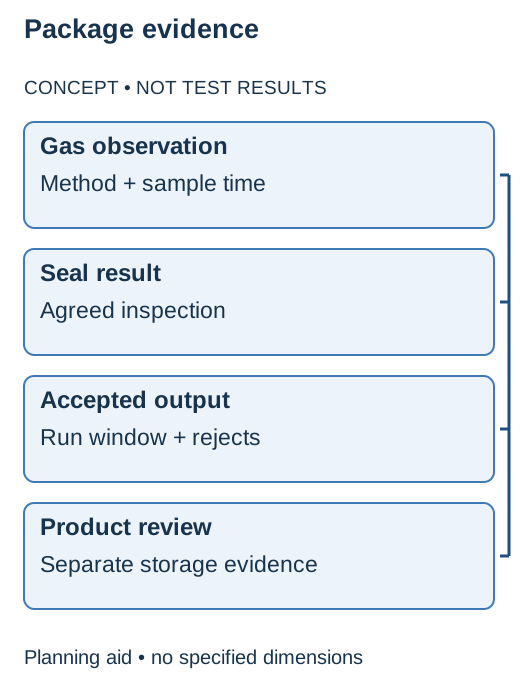
Review the production cycle
Watch how filling, flushing and sealing are coordinated. Compare accepted output and package quality under the agreed settings, including ordinary stops and restarts. An advertised bagging rate does not give you the output of a gas-flushed application. The trial should show the conditions behind the demonstrated rate and list unresolved questions about product behaviour or package consistency.
Write the result up as a configuration decision. State the gas-related equipment included, the confirmed supply requirements and the evidence still needed for any product protection claim. Keep the package test results with the trial report. If the bag size, film, fill weight or product changes, check whether the existing settings and measurements still apply. One gas setting won't cover every SKU.
Interpret observations within their limits
A package result can be shaped by the initial flushing, the package closure and whatever happens after sealing. Keep measurements from different times separate. If a later value differs from the first, the investigation may need the packaging supplier and product team along with the equipment supplier. More gas flow is no diagnosis.
An acceptable reading does not establish product shelf life on its own, either. The product evaluation you need depends on the food and its distribution conditions. Say clearly which checks belong to the machine trial and which belong to your wider validation work. Nobody should sell an equipment option as a universal preservation treatment.
Compare package appearance and accepted output with the gas-related observations. A useful operating condition has to meet the complete project requirements. If a proposed adjustment changes the cycle or the finished bag, record the tradeoff and assess it against the acceptance plan. Reporting only the most favourable gas measurement and leaving out the production conditions behind it misleads.
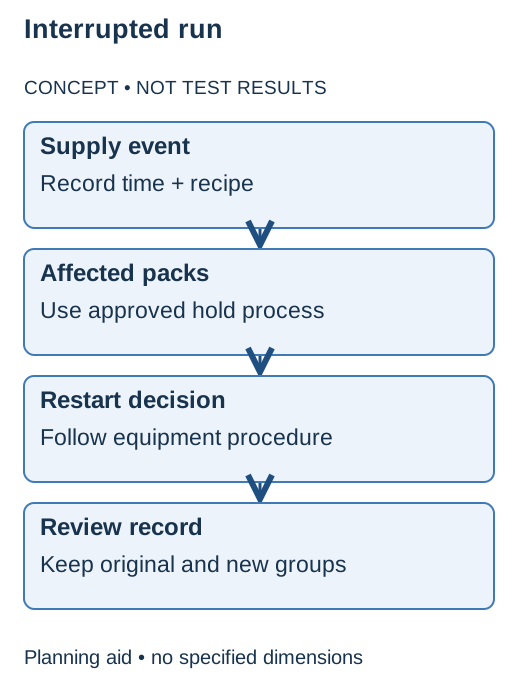
Carry the agreed condition into production
The final record should name the supply requirements, connection arrangement, approved recipe and sample method. It should also say who confirms the utility and who releases the product and packaging specification. Operators need a documented response to a supply interruption, and another for an out-of-limit check. Both responses should follow the approved site procedure and the equipment instructions.
When you add another bag size or change fill quantity, review the available headspace and repeat the relevant checks. If the film, closure or product changes, bring in the responsible specialists to decide what evidence is needed. A controlled configuration makes later changes easier to judge. The team then knows the conditions behind the original result.
The equipment supplier and quality team should specify the procedure after a gas-supply interruption or an uncertain package check, including which packs are held for review and how normal production is released again. Keep this procedure with the approved recipe so different shifts don't improvise different responses. A clear restart record also helps separate an equipment issue from a utility interruption when the team later reviews rejected packages. Confirm the response during commissioning, because the first busy production shift is too late to find out.
Method and scope of this guide
This revision of Nitrogen Flushing Checklist organizes the existing published review points into a buyer preparation record. The diagrams illustrate supply boundary, sampling events, package evidence, interrupted run. They contain no measured trial results, approved engineering dimensions or acceptance thresholds. The empty record fields are prompts for project evidence, not a completed inspection. Source: the existing guide and the published Configuration Review and Sample Testing service descriptions, accessed October 8, 2026. Before sending physical samples, confirm receiving arrangements, quantity and costs. Keep any recommendation tied to the supplied material, proposed configuration and outstanding questions.
Frequently asked questions
When should the package condition be measured?
Agree the instrument method and measurement times before the run. Keep initial readings, readings after storage and different operating-event groups separate.
Should a different bag volume be checked again?
Review the headspace, fill quantity, material and recipe with the responsible teams, then repeat the checks needed for the changed package.
How should a gas-supply interruption be recorded?
Record the time, affected sample group and settings. Hold, restart and release decisions follow the approved site procedure and equipment instructions.
Does the gas option include the customer’s gas source?
Only the quotation can establish that. Identify the source, distribution, connections and controls separately, with an owner for each interface.
Explore the Equipment
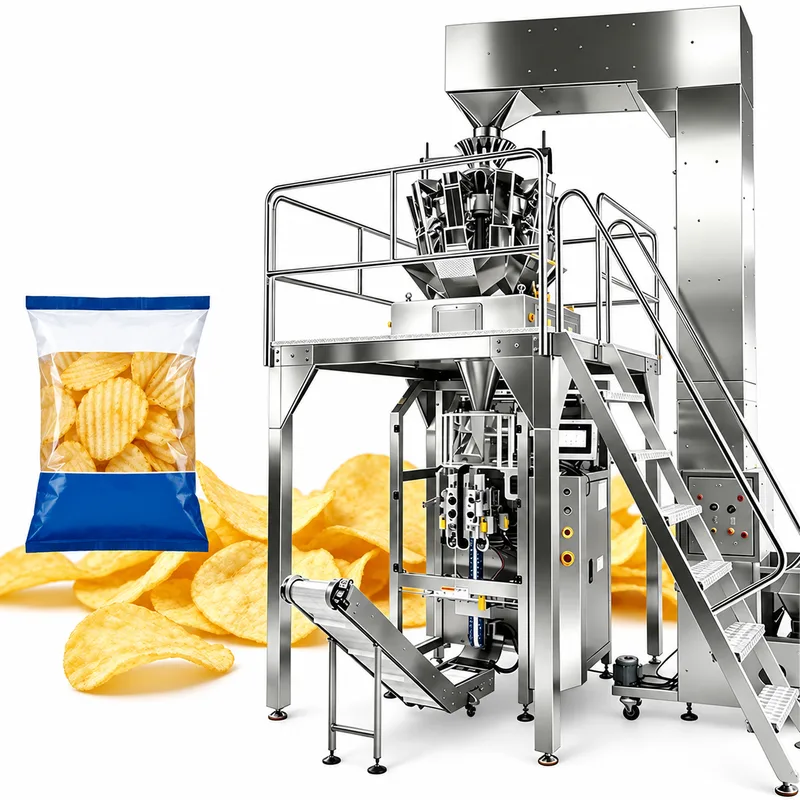
Vertical Form Fill Seal
Chips Packaging with Nitrogen Flushing
An inflated bag can hide broken chips, a short fill or a weak seal. Size this weigher, VFFS and nitrogen-flush line from your chip volume, breakage limit and gas supply.
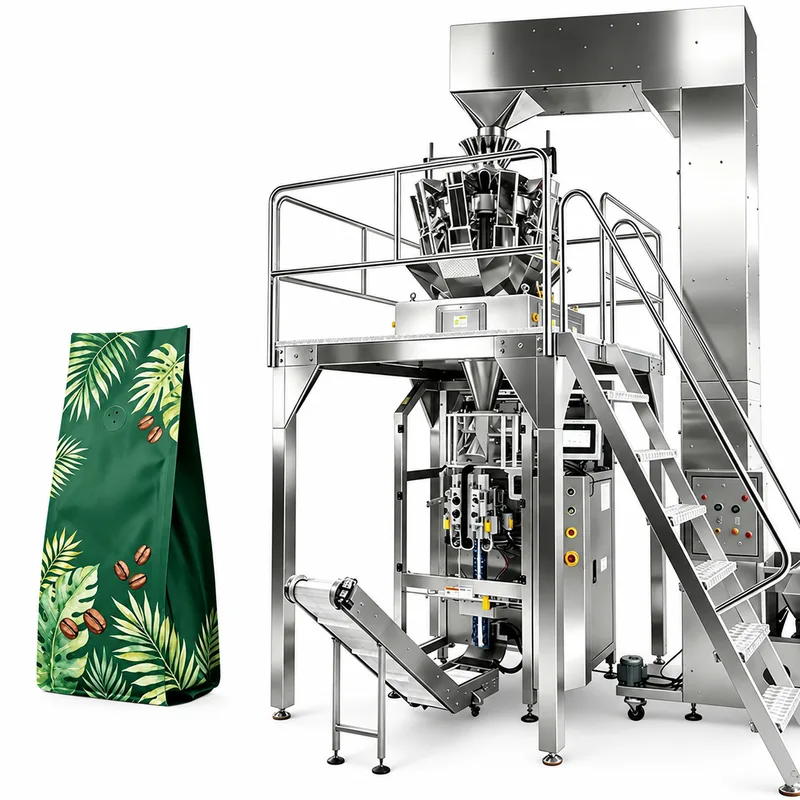
Vertical Form Fill Seal
Coffee Bean Valve-Pouch Packaging
A misplaced or poorly attached degassing valve can spoil a run of coffee bags. Specify this weigher and VFFS valve line from your valve drawing, film, roast and weight.
What to send us
| Item | Why we need it | Example format |
|---|---|---|
| Product, bag volume and material | Define the complete package behind the gas objective. | SKU brief + bag drawing + material revision |
| Gas supply and included connection scope | Separate supplied equipment from plant utilities. | Interface sketch + quoted inclusion list |
| Sampling method and observation timing | Make measurements comparable by method and time. | Sampling plan + instrument procedure reference |
| Output, settings and package inspection record | Connect gas observations to production and closure quality. | Run ID / recipe / accepted packs / seal record |
We reply within 24 hours.