
Coffee Valve Bag Packaging
Coordinate the one-way valve, its location and the selected roll-film or premade-pouch process for coffee packaging.
On This Page
Treat the valve as a packaging component
Send the valve drawing and specification along with the bag or film sample. The valve position has to work with the fill level, the artwork and the sealing areas. A valve does not replace choosing the right film or validating the finished package. Say what form the coffee takes and how it will be packed, because one valve arrangement will not suit every coffee product.
Choose where the valve enters the process
A valve can come as part of a supplied premade pouch, or it can be built into a suitable roll-film setup. The catalog lists a valve-pouch VFFS configuration and a quad-seal coffee configuration with a valve option. Check whether the quotation covers valve handling and application equipment. Check its consumables and the format parts it needs too.
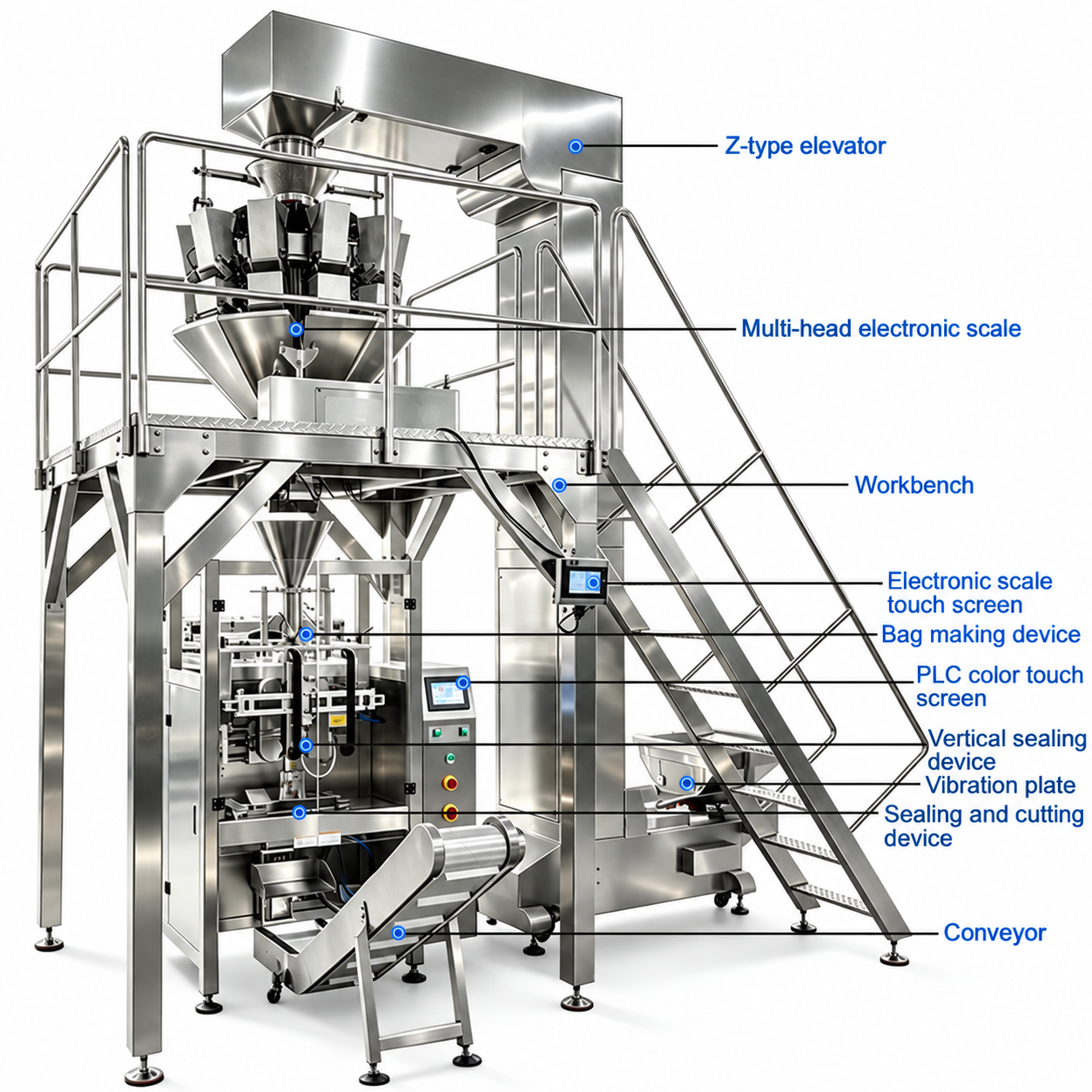
Review the pack and dosing together
Whole-bean handling, the fill quantity and how the bag is presented all shape the complete line proposal. Give the bag dimensions you want and say whether gas flushing is also required. Each optional function should be listed separately in the agreed scope. A maximum bagger output is not a promise once weighing, valve application and other operations run together.
Keep a clear acceptance record
Look at where the valve sits and how it is attached, then at the finished seals and the filled appearance. Agree how valve function and package performance will be tested, and who is responsible for each test. Keep a record of the valve supplier, the film and the machine configuration. A valve on the bag does not prove freshness or shelf life. Those claims need validation of the whole coffee and packaging process.
Specify the valve as a separate packaging component
A coffee valve bag is a bag construction fitted with a one-way valve component. The catalog includes a vertical coffee-bean configuration with valve application and a quad-seal option with valve integration. Start by identifying the valve you have selected: its dimensions, where it has to go and how it is attached. A photo of a round fitting on a coffee bag is not a full component specification.
The valve and film suppliers should provide what is needed to check that the two are compatible. The equipment supplier needs to know whether the valve arrives already attached to the packaging material or gets applied during the packaging sequence, since that changes the machine scope and the acceptance checks. Keep the valve revision identifiable, especially if you may switch suppliers in later purchases.
Choose where the valve enters the production flow
With a rollstock vertical system and a premade-pouch system, valve responsibilities land at different points in the supply chain. Map the process from packaging-material delivery to finished pack, and note who provides the valve, who applies it and who verifies its location and attachment. A filler quotation does not automatically include valve application just because the finished bag in the picture has a valve.
For the catalog's integrated vertical option, the supplier should show the valve operation inside the full forming, filling and sealing sequence. If a premade pouch arrives with the component already fitted, put that exact pouch into the handling trial. Equipment and packaging components often come from several suppliers. A responsibility map shows any missing operation or inspection requirement before installation.
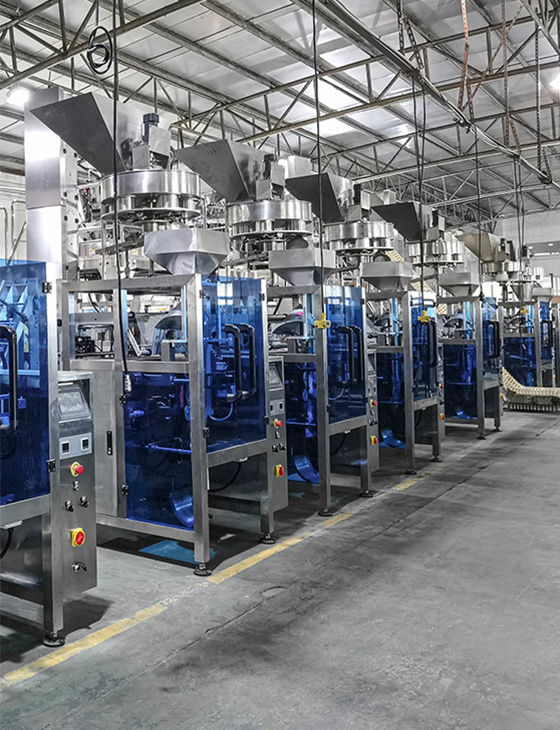
Position the valve around the filled bag geometry
Review valve placement against the real fill level, panel shape, seams and graphics. Coffee beans need room during delivery and settling, and the finished bag can look different from the flat web. A location that works on one size may clash with a fold, seal or product position on another. Use a dimensioned drawing and filled samples for each planned format.
On quad-seal or gusseted bags, check the valve against the developed panels after filling. On a premade stand-up pouch, check the location once the bottom has opened and the contents have settled. Keep important printed information readable. Artwork approval is not technical approval of the valve position. The packaging and equipment suppliers should look at the same geometry so their decisions agree.
Match dosing and handling to the coffee being packed
The catalog describes multihead dosing for coffee beans, while other coffee products may need a different filling arrangement. Tell the supplier whether the product is whole beans, ground coffee or a powder blend, what condition it is in at packaging and how much goes in each bag. A successful whole-bean demonstration says nothing about whether the same dosing path suits fine grounds.
During the trial, watch how the coffee reaches the bag. Fragments or dust in the closure area or the component attachment area are the thing to look for. Note the filled shape and how much space is left around the valve. If optional nitrogen flushing is requested, evaluate it together with the chosen valve and package. Features shown separately in catalog descriptions become a combined application, and that combination still needs confirmation under the proposed operating conditions.
Separate valve function from broader freshness claims
A valve has a defined job inside the packaging system, but its presence alone does not establish a storage life or a guaranteed sensory result. The coffee, the film construction, the closure quality and the distribution conditions all still matter. The product and packaging teams should define the measurements and the evaluation period that fit the commercial claim they want to make.
Get the valve supplier's recommended checks and include them in the packaging review where they apply. Keep retained samples together with the valve specification, film lot and production conditions. If a different valve or laminate is introduced, assess the change. An unchanged bag appearance does not mean unchanged performance. That keeps the machine-selection discussion practical and ties product-quality conclusions to evidence from the actual packaged coffee.
Evaluate the complete package at handover
A purchasing demonstration should show the planned coffee, bag construction and valve arrangement running together. Record dosing, valve placement, seal observations, print registration and how the finished packs are handled. Include ordinary replenishment and a controlled stop and restart, and note how incomplete or suspect packs are identified. Where the line supports several bag sizes, run the matching placement and tooling changes as well.
Keep labeled samples and a configuration record showing which valve, material and settings produced them. List any untested format, product or optional operation as a remaining check. After handover, production staff should be able to reproduce the accepted package and see when a component change needs review. This beats choosing a coffee valve bag by appearance, or taking an accessory in a photograph as proof that every associated operation is included.
- Valve drawing, supply format and intended location
- Whole beans or powder, fill quantity and bag drawing
- Premade-pouch or inline valve-application preference
What should a trial request say about coffee timing?
Say what condition the coffee will be in when it reaches packaging, and how long it normally sits between upstream production and filling. The aim is a representative demonstration, not a universal waiting period. If the trial sample was stored differently, note that limitation in the record. Keep the valve, laminate and fill conditions tied to the sample evaluation. That lets the product team read the package results in context. It also stops a good-looking demonstration with differently handled beans from becoming an unsupported conclusion about the intended production process.
Explore the Equipment
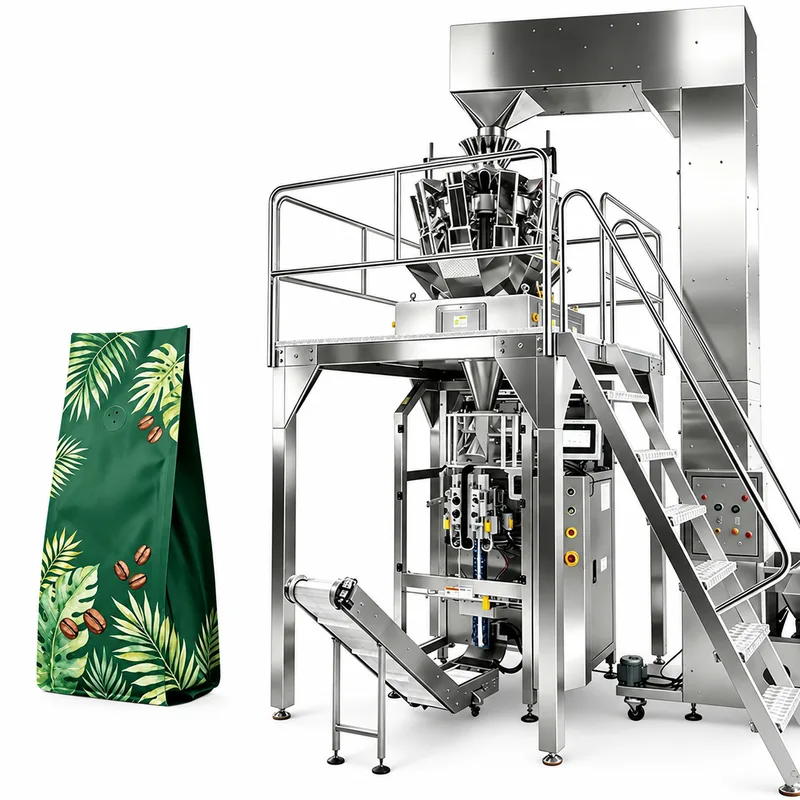
Vertical Form Fill Seal
Coffee Bean Valve-Pouch Packaging
A misplaced or poorly attached degassing valve can spoil a run of coffee bags. Specify this weigher and VFFS valve line from your valve drawing, film, roast and weight.
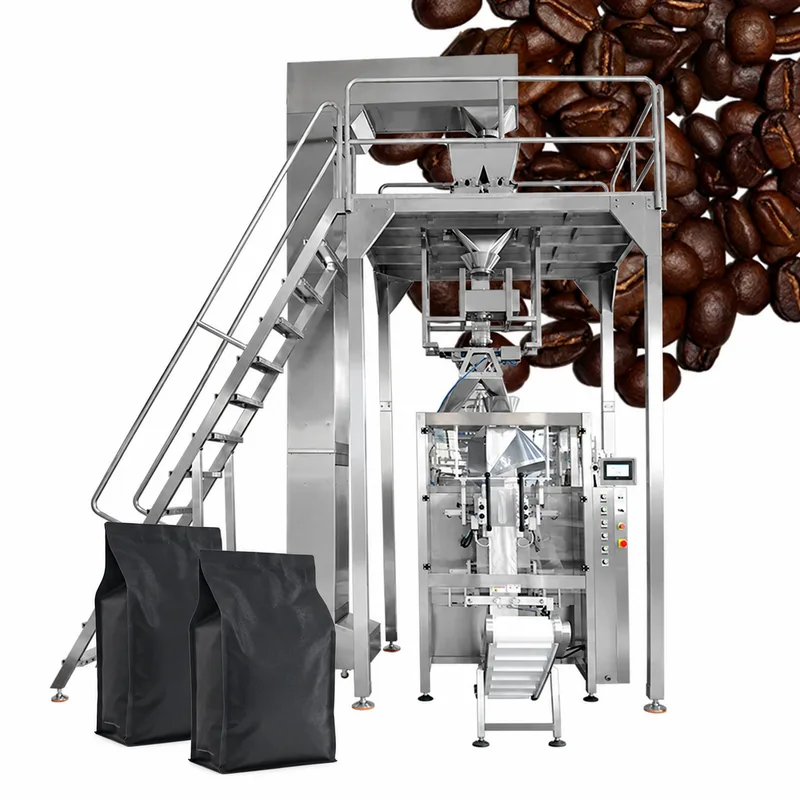
Vertical Form Fill Seal
Quad-Seal Coffee Packaging
A quad-seal coffee bag that will not stand, or skews at the corners, wastes film and coffee. Specify the corners, gussets, base, valve and dosing method from your bag drawing.
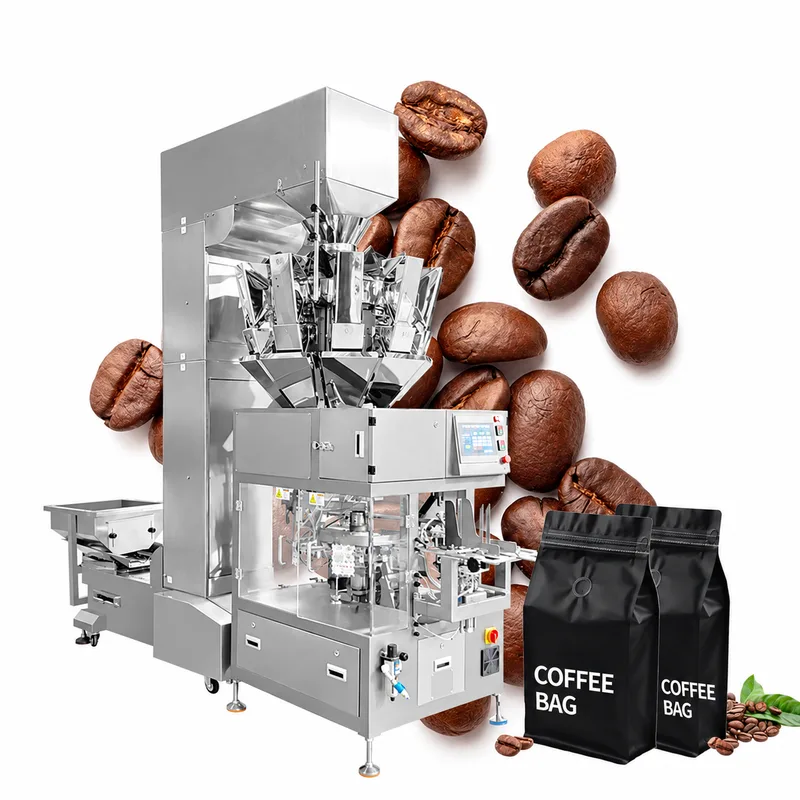
Premade Pouches
Coffee Bean Doypack Packaging
A valve or zipper too close to the pouch mouth catches beans and spoils the seal. Size this premade doypack line for coffee from your actual pouch, bean condition and fill weights.
What to send us
| Item | Why we need it | Example format |
|---|---|---|
| Valve drawing, supply format and intended location | Identify the evidence or open question for this review point. | Labeled brief entry + photo/drawing/record reference, or TBD. |
| Whole beans or powder, fill quantity and bag drawing | Identify the evidence or open question for this review point. | Labeled brief entry + photo/drawing/record reference, or TBD. |
| Premade-pouch or inline valve-application preference | Identify the evidence or open question for this review point. | Labeled brief entry + photo/drawing/record reference, or TBD. |
| Optional gas flushing and agreed package checks | Identify the evidence or open question for this review point. | Labeled brief entry + photo/drawing/record reference, or TBD. |
We reply within 24 hours.