
Configuration & Project Support
Spare Parts Enquiries
Prepare a part enquiry that identifies the installed machine and component before availability or compatibility is discussed.
On This Page
Identify the installed equipment
Send the machine nameplate details, the serial or identification number, the configuration version and the relevant documentation. A photograph of a similar machine will not identify a replacement part. Say whether the component is original or was modified after delivery. Include the part reference from the supplied drawing if you have it.
Show the component and its location
Send clear photos of the part in context and of any markings, along with the symptom or reason for replacement. Add dimensions only if they can be taken safely under the applicable maintenance procedure. No enquiry photograph is worth removing a guard. Nor is it worth working on energized equipment.
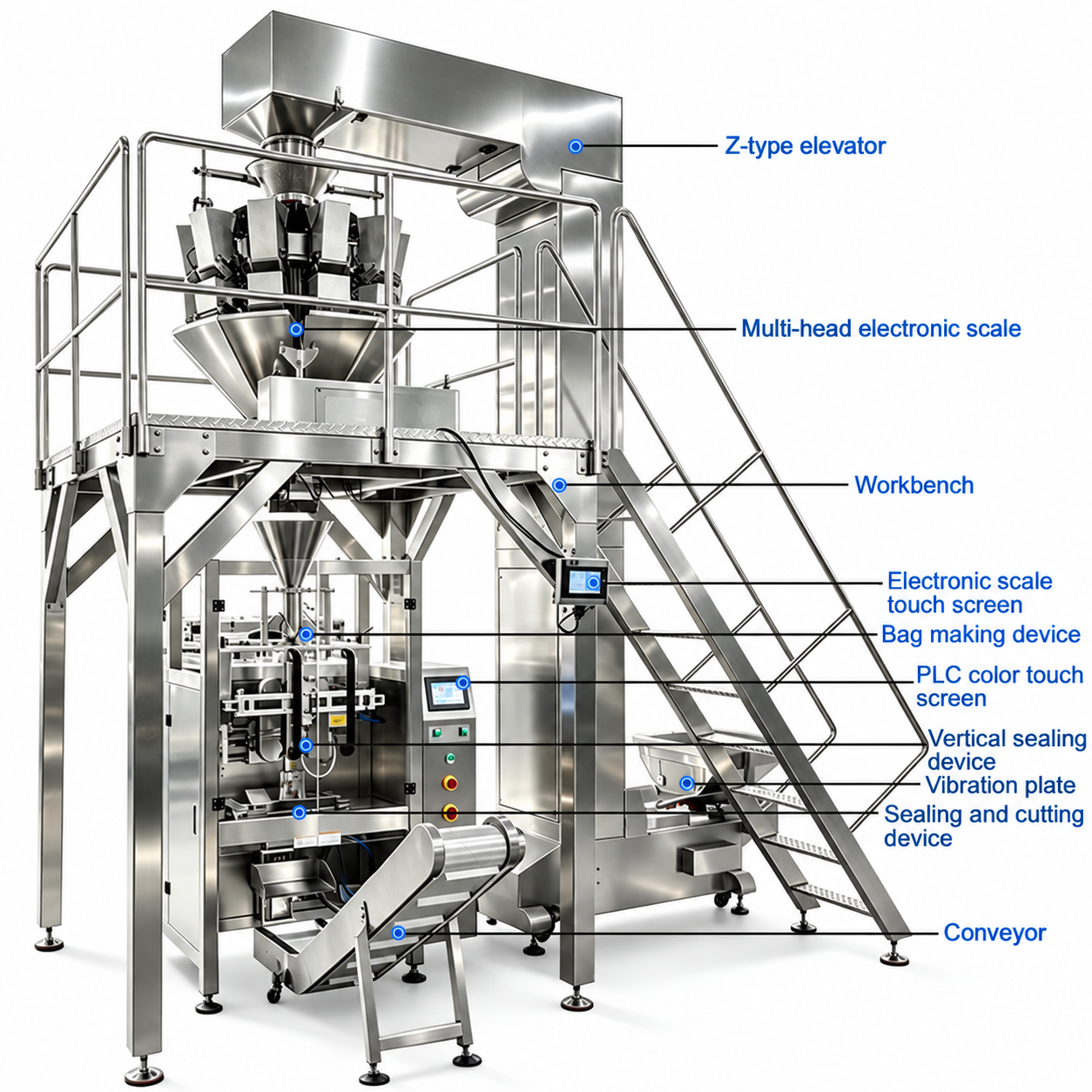
Confirm the replacement before ordering
The response should state compatibility, quantity, included items and any installation requirements. Availability, lead time and shipping terms must be confirmed for the identified part. This is an enquiry process. It is not a stock list, and it does not promise that every historical component can be supplied. Keep the confirmed reference for future orders.
Send a request that identifies one installed arrangement
A spare-parts enquiry should begin with the equipment actually in the factory. Provide the machine identification, the order or configuration reference and any serial information you have, and say whether the line has changed since delivery. A later feeder, replacement control component or revised format assembly can make the original machine description incomplete. Raising that history early keeps a precise-looking parts request from pointing at an arrangement that is no longer installed.
Add the relevant drawing or parts-list reference if you have it. If documentation is missing, say so and supply whatever evidence can be gathered safely. A photograph that resembles the component is a poor reason to pick a part number. Similar-looking items can differ in dimensions, electrical characteristics, materials or configuration. The aim is a confirmed reference. An uncertain visual comparison should not become an order that looks technically approved.
Organise photographs so the reviewer can locate the part
Begin with a view showing the component's position in the assembly, then add closer images of accessible labels or markings. Describe the component's function and the operation it affects. One clear photograph in context often tells more than many unlabelled close-ups, especially where several similar sensors, guides or sealing components sit around the same machine.
Collect the evidence under the applicable operating and maintenance procedures. Do not remove guards, enter hazardous areas or work on energised equipment to get a better image. If a marking is out of reach, explain that and ask the reviewer what information is needed next. Any inspection that is required should be planned with appropriately qualified personnel. What you want is a useful identification packet, and an online enquiry should never turn into an improvised dismantling job.
Explain why the replacement is being considered
Say whether the request concerns visible damage, routine wear, a planned format change or an operating symptom still under investigation. Keep observation and diagnosis apart. For example, describe the displayed message and when it appeared. Don't assume the component named in the message is the defective one. Add any recent product, material, recipe or maintenance changes that could help the responsible team understand the sequence.
If another part has already been fitted, give its reference and the result of that work. Keep the removed component identified. Repeated substitution without a clear record makes the installed configuration harder to understand, and the original issue may stay unresolved. A technical review can go with a parts enquiry where appropriate, but confirm its availability and scope. Do not assume it comes with every quotation.
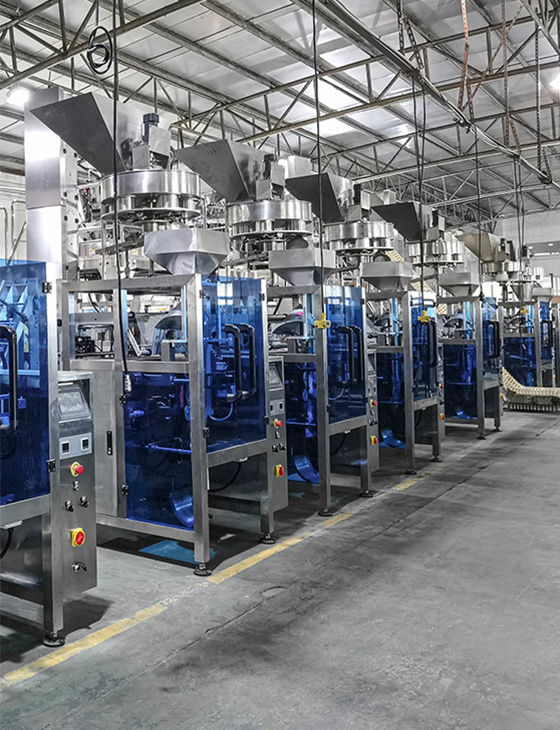
Distinguish wear spares, format parts and configured items
List wear-related components separately from parts for a different bag format. A forming assembly selected for another width is not necessarily interchangeable with the existing one. Tie format parts to the approved product and package they support. That helps most where a site runs several similar sizes and stores their components in the same maintenance area.
Control or electrical items may need more than a physical match. Find out whether the proposed replacement needs configuration, software, setup information or specific commissioning work, and keep those requirements with the compatibility response. A matching connector, housing or fragment of a label does not establish suitability. The confirmed proposal should say which installed arrangement it supports and list any conditions the buyer must meet before fitting or using it.
Review the quotation before purchasing
Check the confirmed part reference, quantity, unit and included items, because an assembly may include accessories that a component-only offer leaves out, and a set and a single item can be worded almost alike. Where relevant, get clarification on associated seals, brackets, cables or documentation. Confirm the destination and any commercial details needed for the specific enquiry. Stock, lead time, freight and payment terms must be stated for the identified request. A general service page cannot supply them.
If an updated reference or alternative is offered, keep the explanation of compatibility and the relevant revision. When an important point is still open, leave the enquiry open too. Purchasing urgency is no substitute for technical confirmation. Willingness to discuss a parts request does not mean every historical component is available, or that a visually similar replacement can be supplied without review. Keep a clear order record, since it protects part identification and later maintenance traceability.
Keep the confirmed information with the machine
On receipt, identify the part from the confirmed reference and record which machine or format it supports. Keep useful labels and follow the documented storage requirements. Give the part a storage location the maintenance team can find. File the quotation or compatibility response with the equipment records, so the next enquiry does not start again. Otherwise the next enquiry starts again with an unlabelled object and no reliable account of why it was bought.
After fitting, update the maintenance history with the installed reference, the date and the relevant checks done by the responsible personnel. If a failure investigation is still open, keep the removed item identified. Actual usage and the cost of delay can, over time, inform a discussion about local spare holdings. Base any such list on the factory's operating pattern and confirmed replenishment arrangements. It guides your enquiry. It promises no stock, delivery speed or universal interchangeability.
- Machine identification and configuration documents
- Drawing reference and component markings
- Safe photos showing installed location
Make repeat enquiries more precise
When the same part is requested again, quote the confirmed component reference and the earlier enquiry number, and still check whether the installed machine has changed. Give the quantity and the current delivery destination. Commercial availability needs fresh confirmation, since an old offer may no longer stand. If the replacement history shows an unusual pattern, send that history for review and do not keep ordering without context. The record can help the responsible technical team decide whether identification, operating conditions or a separate maintenance investigation needs attention before another item is purchased.
Explore the Equipment
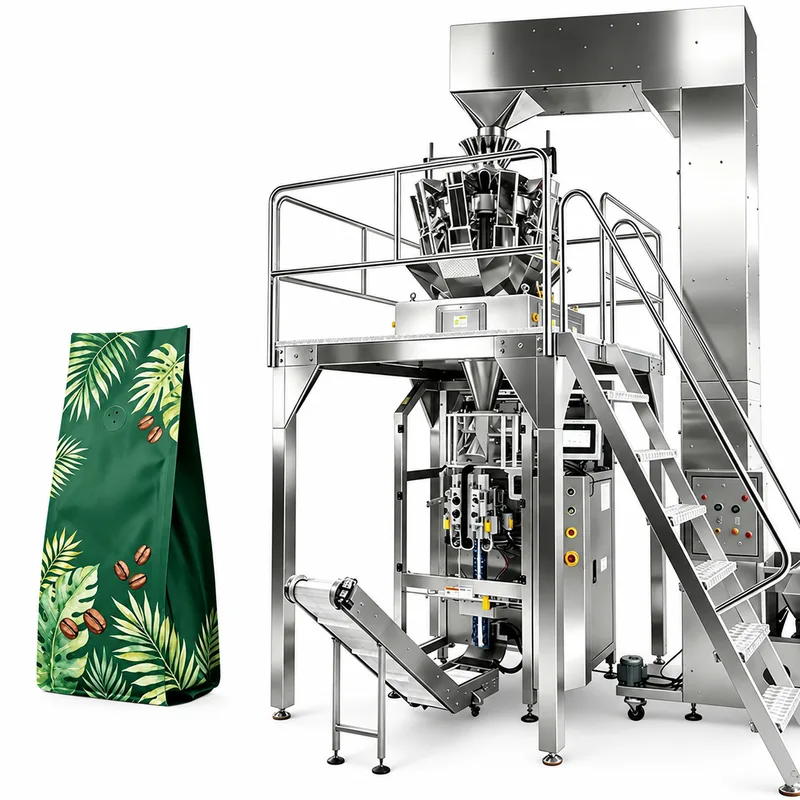
Vertical Form Fill Seal
Coffee Bean Valve-Pouch Packaging
A misplaced or poorly attached degassing valve can spoil a run of coffee bags. Specify this weigher and VFFS valve line from your valve drawing, film, roast and weight.
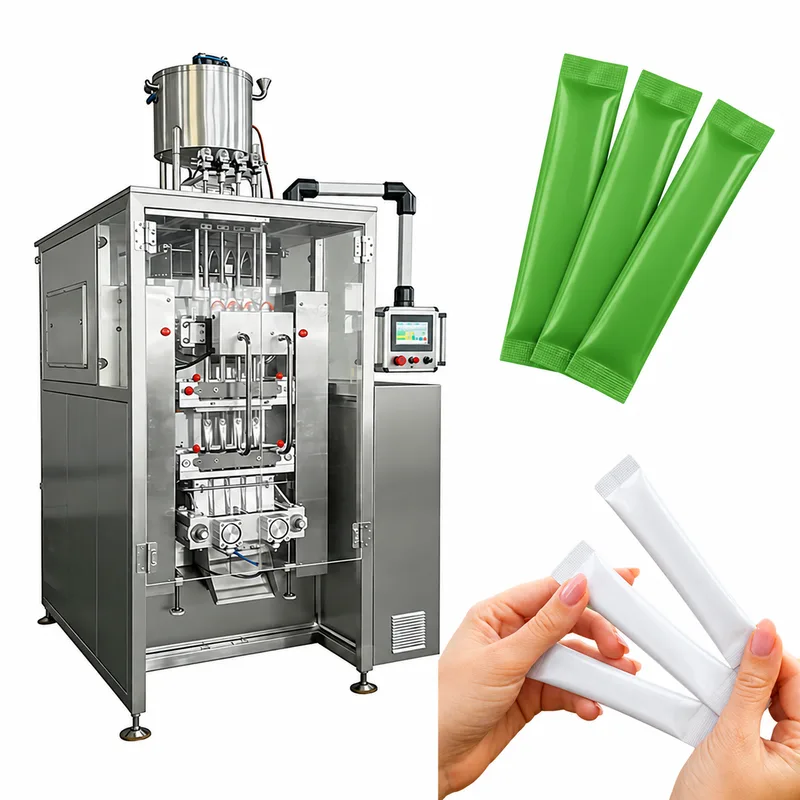
Multi-Lane Stick Packs
Four-Lane Collagen Stick-Pack Machine
Four lanes can hide one lane that under-doses. Specify this four-lane collagen stick-pack machine from your powder density, serving weight and stick size, and sample every lane.
What to send us
| Item | Why we need it | Example format |
|---|---|---|
| Machine identification and configuration documents | Identify the evidence or open question for this review point. | Labeled brief entry + photo/drawing/record reference, or TBD. |
| Drawing reference and component markings | Identify the evidence or open question for this review point. | Labeled brief entry + photo/drawing/record reference, or TBD. |
| Safe photos showing installed location | Identify the evidence or open question for this review point. | Labeled brief entry + photo/drawing/record reference, or TBD. |
| Required quantity and destination | Identify the evidence or open question for this review point. | Labeled brief entry + photo/drawing/record reference, or TBD. |
We reply within 24 hours.