
Configuration & Project Support
Installation & Training Planning
Define the installation, startup and operator-training responsibilities required for your quoted packaging configuration.
On This Page
Choose and confirm the support scope
Discuss whether remote guidance or a site visit makes sense for the project and whether either is actually available. Each option should come with a statement of what it includes and what the customer arranges. Put travel, scheduling, language, costs and time on site in the quotation. Installation is not included just because you bought the machine.
Prepare the site for startup
Confirm delivery access, equipment positioning, utilities and the agreed product and packaging materials. Name the people responsible for the local work and for accepting the installation. Keep the approved layout and configuration at hand. Unfinished site work empties startup of meaning. That is true even when the equipment has arrived.
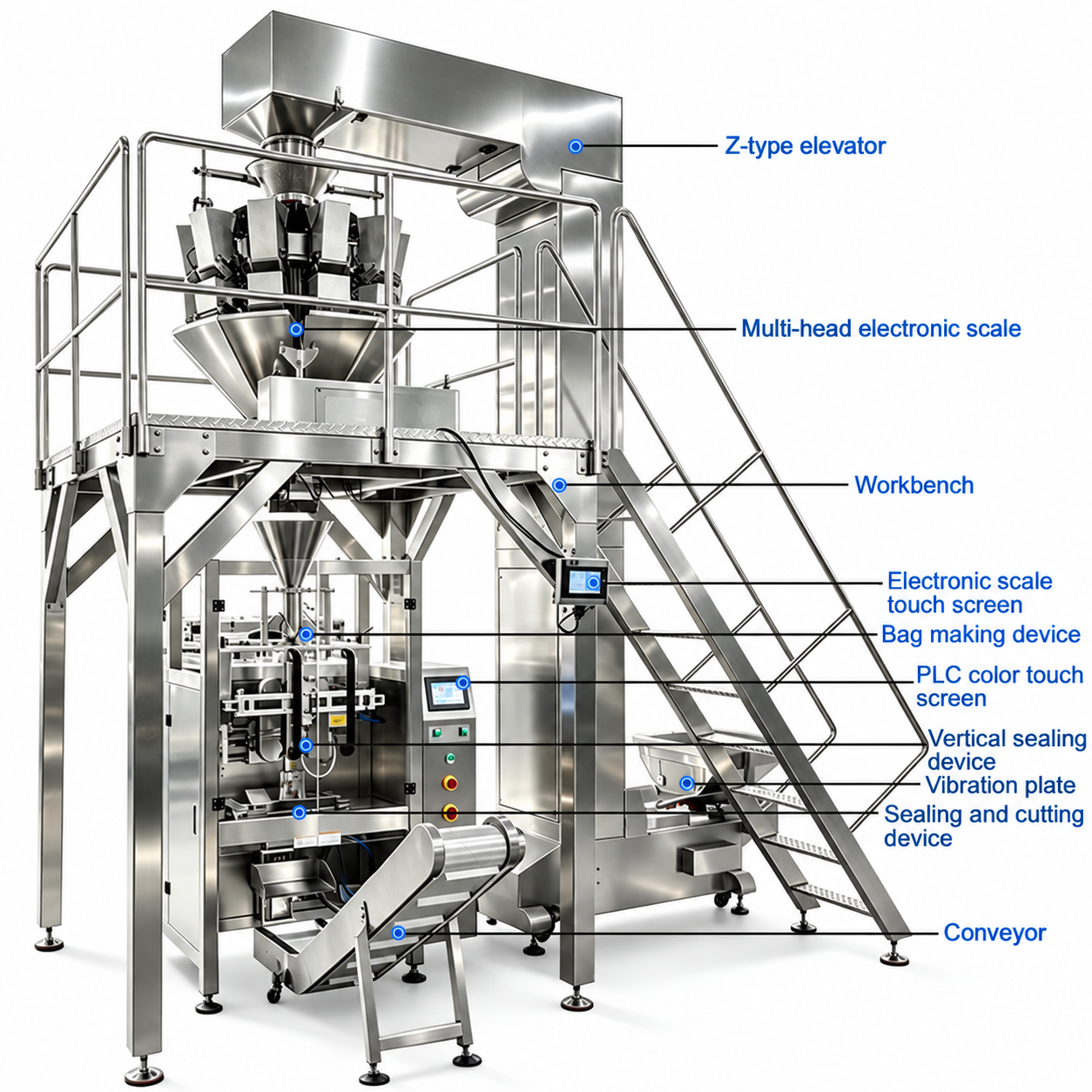
Make training specific to the operators
Agree which operators and maintenance staff will take part and what documentation will be supplied. Cover normal operation, planned format changes and the applicable manufacturer procedures. Write down any unanswered questions. Note any further training needed. Completion criteria, language and follow-up arrangements belong in writing too. No universal training duration or service location is implied.
Agree who is responsible for each startup activity
Installation planning starts with a written division of work. Who receives the equipment, checks its condition on delivery, prepares the location, makes the utility connections and supports the initial operating checks? These tasks may fall to the customer, the equipment supplier or local specialists, and the split should be written down before anyone books travel. Get the proposed support arrangement and its limits before work is scheduled. A machine purchase does not automatically bring a site visit, a set duration of assistance, or travel and local installation costs.
Name a customer coordinator who can assemble the required documents and people. That person need not do every technical task, but should know who can answer facilities, production and quality questions. Keep the approved configuration, layout and open-item list within reach. When responsibility is unclear, a minor missing connection or an unavailable product sample can block meaningful startup. The machine has arrived and the equipment team is ready, yet nothing can start.
Prepare the site against the actual configuration
Use the current equipment drawings and connection requirements to review site readiness. Confirm the delivery route, final position, access for assembly and the customer-provided supplies, and have the relevant qualified personnel carry out their assigned work under the applicable procedures. Utility values from an online catalog entry are guesswork. An existing connection is not necessarily suitable just because another machine used it before.
Prepare the product and packaging materials agreed for startup, and keep their specifications and lot identities available. That way results can be compared with earlier sample or factory trials. If a different film or formulation is used, record the substitution and review what it means before reading a changed result. Startup goes better when the first material set is controlled. Keep open process questions apart from the basic installation checks.
Plan a staged introduction to operation
Agree the sequence of checks with the responsible equipment and site personnel. Installation verification, initial operating checks and production acceptance are separate stages. Each answers a different question and may need different evidence. Positioned and connected does not mean ready for unrestricted production. Nor does a good short run show that every ordered format has been demonstrated at your site.
Use the first agreed product and pack to set a traceable operating baseline. Record the configuration and the relevant recipe identity, then bring in additional approved formats in a controlled order. If an unexpected result appears, avoid changing the product, packaging supplier and operating target all at once. When the early conditions stay identifiable, it is easier to compare site behaviour with the factory record and decide what needs further investigation or confirmation.
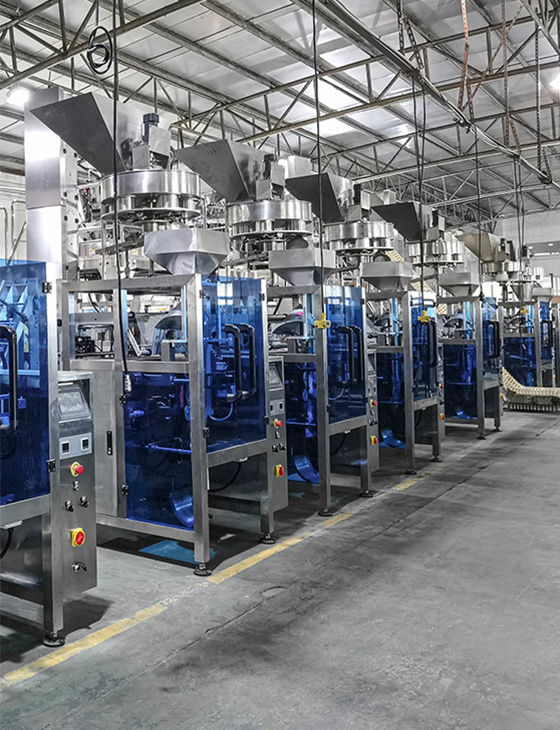
Give operators practice in the tasks they will perform
Training should reflect the actual roles around the line. Operators may need to load packaging, select an approved recipe, carry out routine checks and respond to documented messages. Product handlers and downstream staff have their own interfaces to learn. It is worth asking which tasks can be demonstrated within the proposed support scope, and which documents stay available after the session.
Where arrangements permit, use the intended production materials, have participants follow the applicable procedure, and ask them to explain the checks they use before releasing a new run. A presentation or screen demonstration can introduce the controls. It will not show whether your team can find the correct format parts or finish its routine work. Record the questions and tasks that need more instruction, and agree how those gaps will be closed. Attendance alone proves nothing about competence.
Separate maintenance instruction from routine operation
Maintenance staff need component identification, access to documentation and a clear understanding of which work is reserved for appropriately qualified personnel. Find out which maintenance topics the training proposal covers and which need separate specialist support. Routine operator actions are one thing. Electrical, mechanical or control work needing different authorisation and procedures is another. Training should never encourage bypassing safeguards or trying undocumented adjustments to keep the line running.
Decide how the site will retain manuals, drawings, recipe records and confirmed spare references. Who keeps the current versions? How are changes communicated? A machine may be run by several shifts and maintained by people who missed the original session. The handover should leave a usable documentation structure. It should not depend on one experienced person's memory or an informal collection of photographs on a private phone.
Record completion and remaining work clearly
Define the completion record for the agreed installation and training scope. It should identify the equipment and formats covered, the participants' roles, the tasks demonstrated and any unresolved questions. It should stay factual and should not imply a universal qualification, a product approval or completion of work outside the agreed scope. If further demonstration or local verification is needed, give it an owner and a next action.
Follow-up arrangements, communication method and any additional costs are discussed within the project agreement, and support availability and scheduling stay subject to confirmation for the location and request. A well-organised handover gives the factory a documented starting condition, shows what the team has practised and makes the remaining work visible. It is also a useful baseline for later changeover or support enquiries. The equipment identity, materials and initial operating conditions can then be retrieved without reconstructing the installation from memory.
- Remote or site scope and commercial terms
- Site readiness and responsible contacts
- Operator roles, language and documentation needs
Bring the right records to the planning call
Prepare the approved configuration, the site-readiness list, the initial material specifications and a list of the people expected to operate or maintain the equipment. Note their working language and the documentation they already have. The proposed support contact can then tell you the prerequisites for the agreed session. The team spends its time on real startup and practical instruction. Missing materials or unfinished site work also show up early enough for the project coordinator to deal with them, before participants gather around a machine that cannot yet run under the planned conditions.
Explore the Equipment
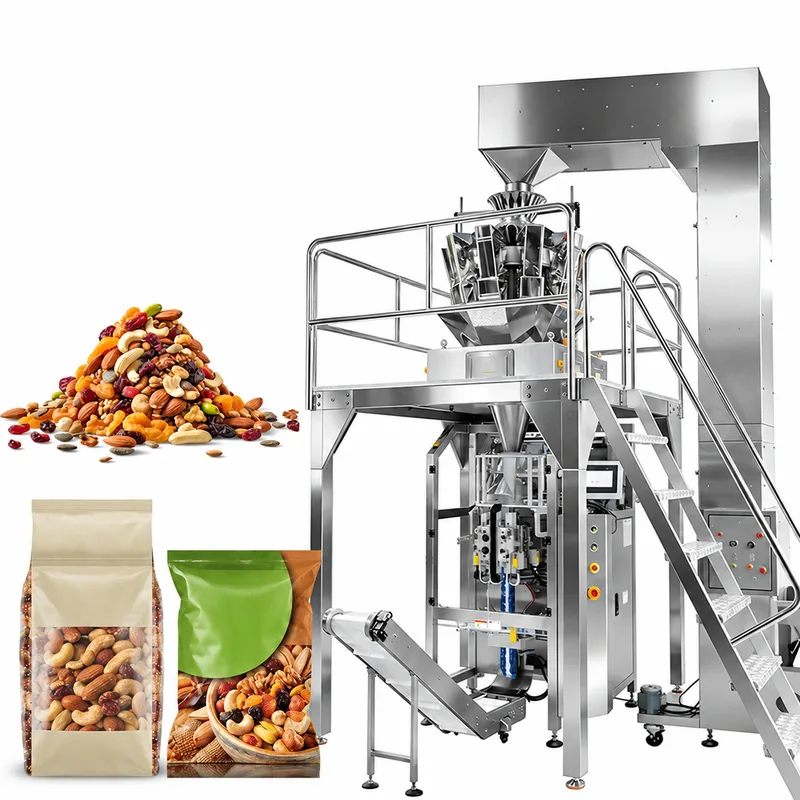
Vertical Form Fill Seal
Nuts & Dried Fruit Multihead VFFS
A nut-mix bag can be on weight and still hold the wrong ratio of ingredients. Configure this multihead VFFS line from your blend, coatings, target weight and bag size.
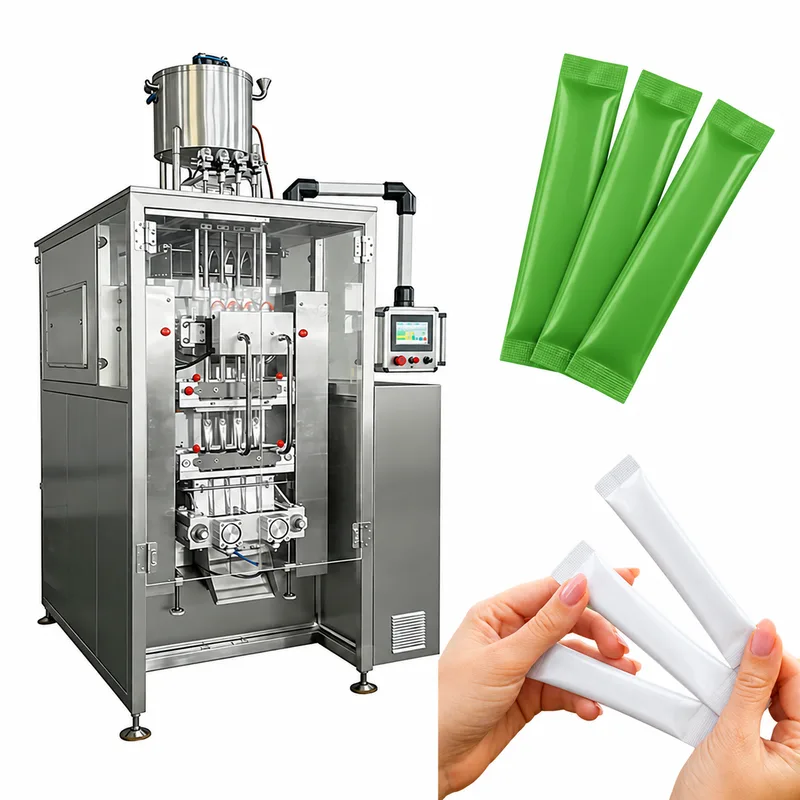
Multi-Lane Stick Packs
Four-Lane Creamer Stick-Pack Machine
Creamer that cakes in the hopper or dusts the seal can cause runs of rejected sticks. Specify this four-lane creamer stick-pack line from your formula, serving, moisture sensitivity and changeover order.
What to send us
| Item | Why we need it | Example format |
|---|---|---|
| Remote or site scope and commercial terms | Identify the evidence or open question for this review point. | Labeled brief entry + photo/drawing/record reference, or TBD. |
| Site readiness and responsible contacts | Identify the evidence or open question for this review point. | Labeled brief entry + photo/drawing/record reference, or TBD. |
| Operator roles, language and documentation needs | Identify the evidence or open question for this review point. | Labeled brief entry + photo/drawing/record reference, or TBD. |
| Startup checks and training completion record | Identify the evidence or open question for this review point. | Labeled brief entry + photo/drawing/record reference, or TBD. |
We reply within 24 hours.